Last updated November 22, 2026
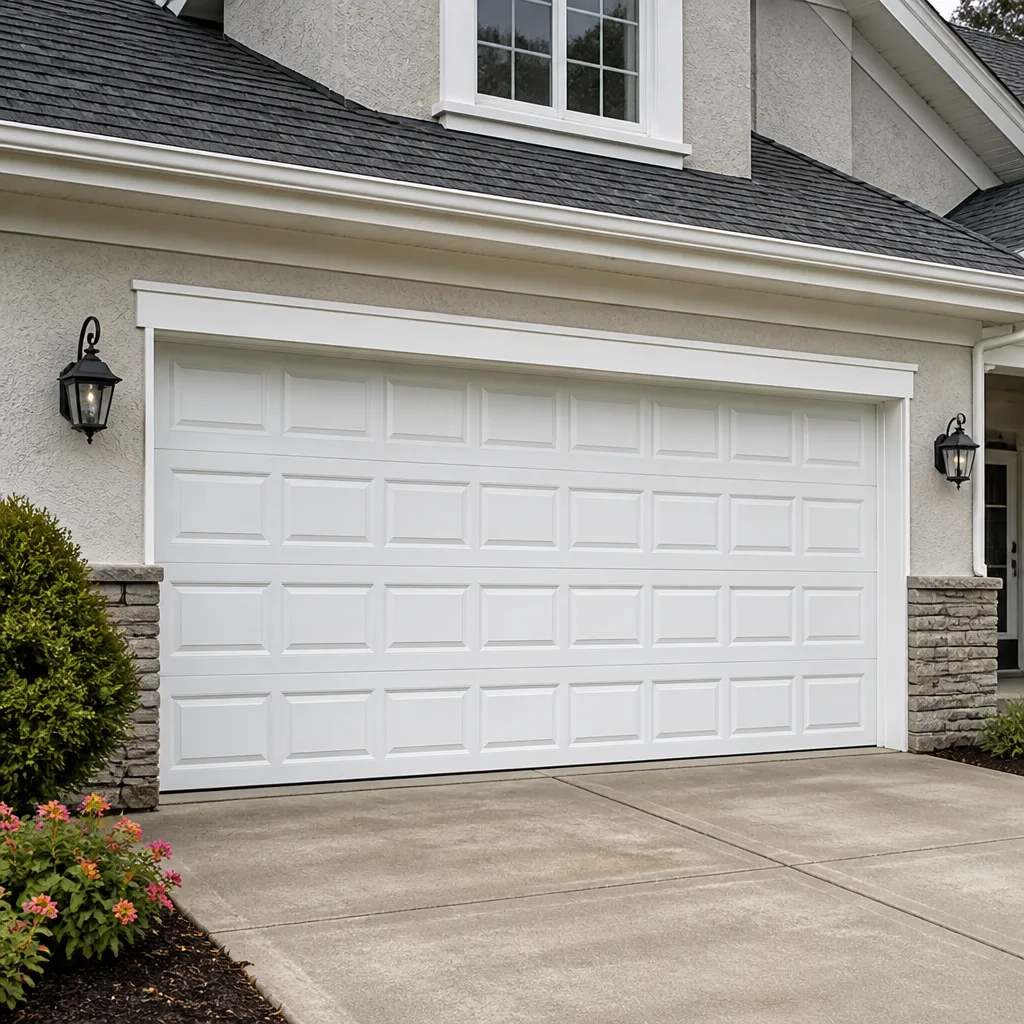 Raised-panel steel
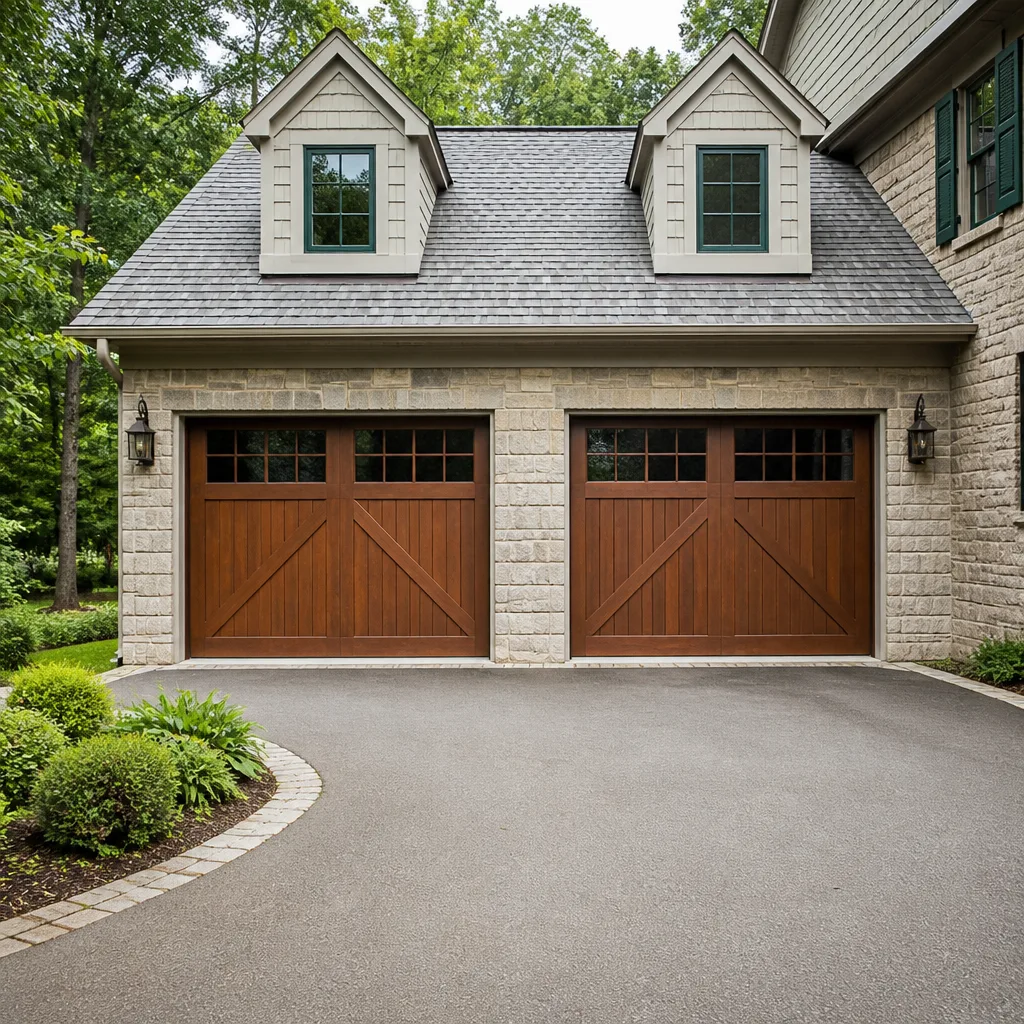 Carriage house
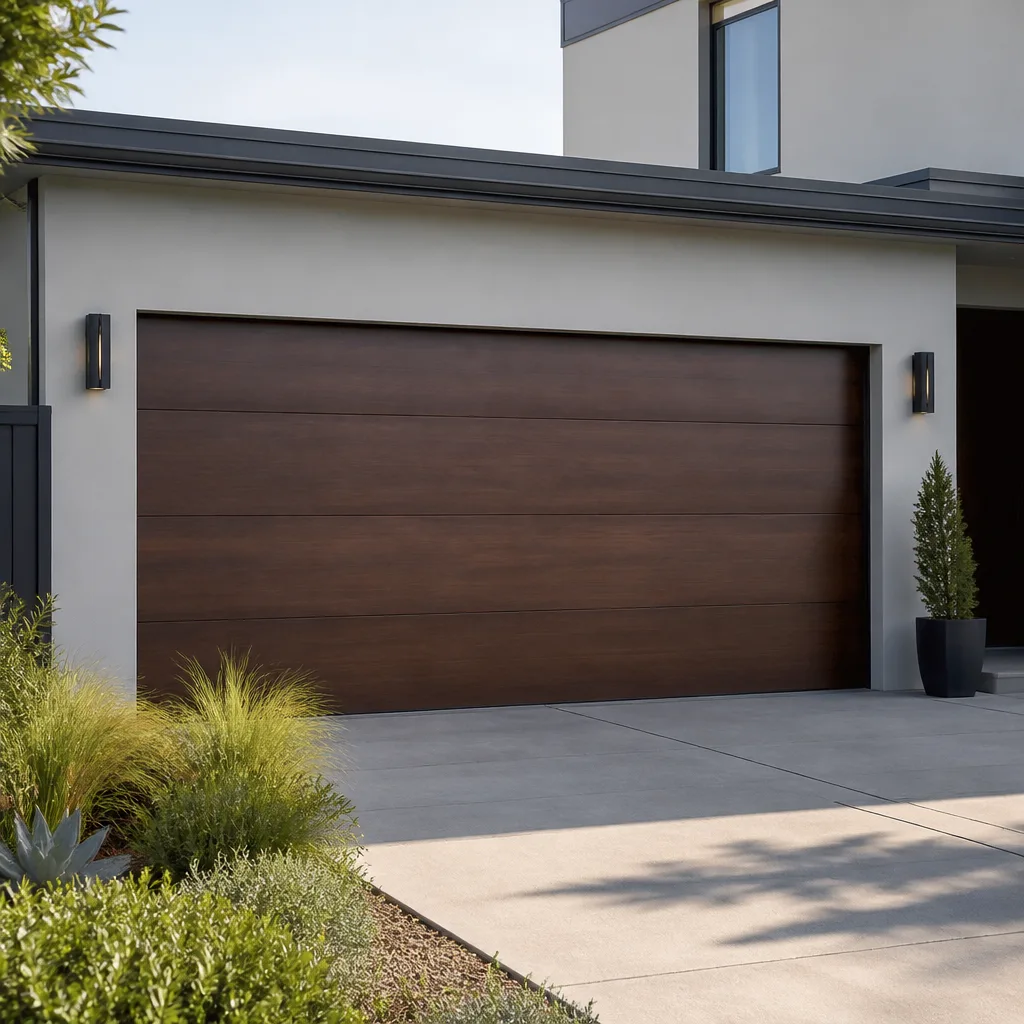 Modern flush
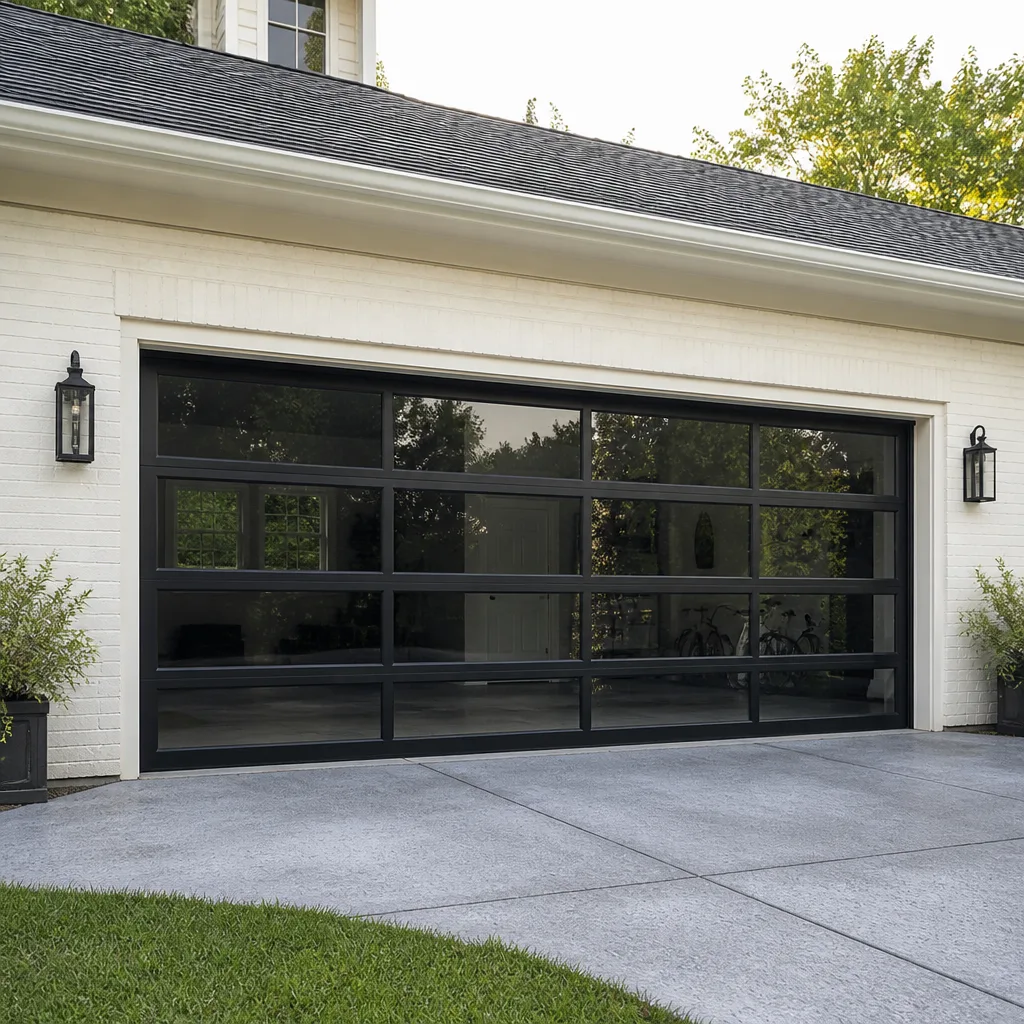 Full-view glass
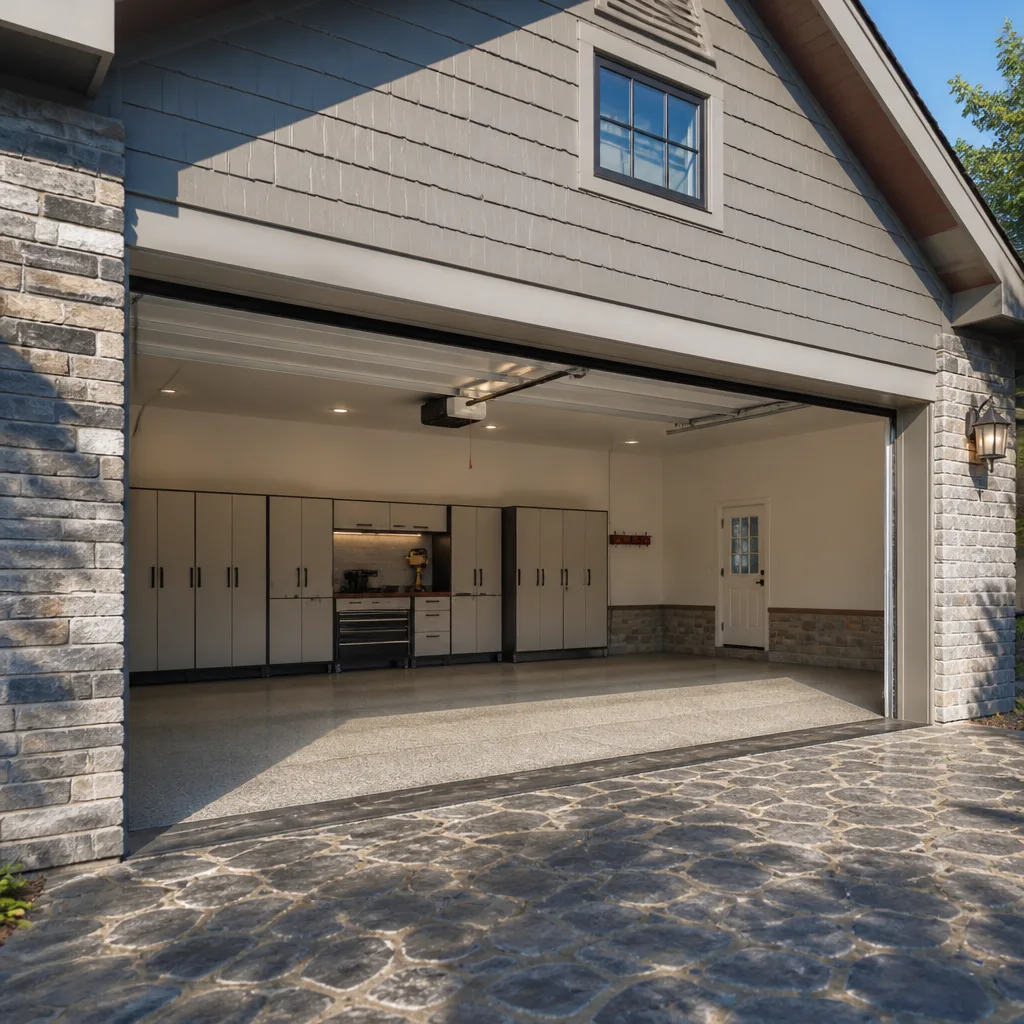 LiftMaster openers
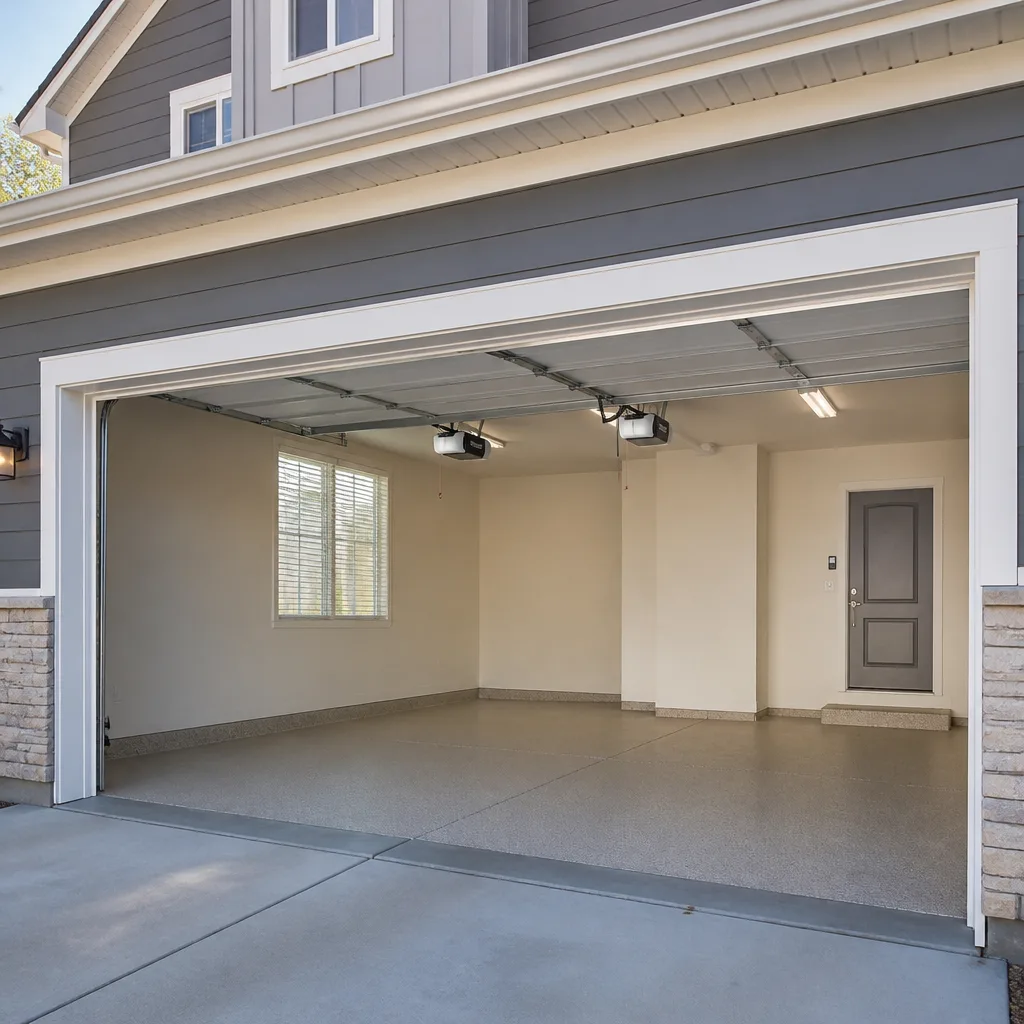 Chamberlain openers
Full 25-point door and opener safety check with every visit - springs, cables, rollers, tracks, and your LiftMaster or Chamberlain opener included
You get a price before we start. It does not change when the pro arrives.
Get your free estimateGarage Door Emergency Preparedness Guide for Torrington Homes
When a garage door spring breaks at 6 AM in February, the first decision a Torrington homeowner makes in a panic is usually the most expensive one, and it’s almost always avoidable with ten minutes of preparation done in advance. That decision is often to force the door, yank the release cord at the wrong moment, or call the first number that appears in a search results page. None of those choices fix the door, and two of them can make the damage worse. A garage door emergency in Torrington follows a predictable sequence. The homeowners who come through it cheapest and fastest are the ones who rehearsed that sequence before the ice storm, the power outage, or the snapped cable arrived. What follows is that rehearsal: what to document now, what to do in the first five minutes, what never to touch, and how to keep your home secure while you wait for a repair. We work on garage doors in Torrington every week, and this guide is built around the situations we see most often in this climate.
Styles & brands we work with
- Raised-panel steel
- Carriage house
- Modern flush
- Full-view glass
- LiftMaster openers
- Chamberlain openers
Quick Answer
During a garage door emergency in Torrington, the safest first move is to leave the door where it is, keep people and vehicles clear, and call a garage door specialist who handles emergency service. Never force a door with a broken spring, never pull the emergency release cord while the door is open, and never stand under a door that’s hanging from one spring or a frayed cable. A stuck-open door should be blocked, secured, and covered temporarily while you wait for a scheduled repair. Ten minutes of prep now (door specs, opener model, release cord location, and a saved contractor number) saves hours of panic later.
Table of Contents
- Why Torrington Homes Face More Garage Door Emergencies Than You’d Think
- What to Document Before Anything Breaks
- The First Five Minutes of a Spring or Cable Failure
- The Emergency Release Cord: When to Pull It and When Absolutely Not To
- How to Safely Operate a Door Manually After a Spring Failure
- How to Secure a Stuck-Open Door Against Weather and Intrusion
- Power Outage Protocol: Battery Backup and What to Do Without It
- Knowing Your Brand Before You Have to Call
- Common Mistakes to Avoid
- When to Call a Professional
- Frequently Asked Questions
- The Bottom Line
Why Torrington Homes Face More Garage Door Emergencies Than You’d Think
Torrington sits in the Litchfield Hills, and that geography shapes what happens to garage doors here in ways that coastal Connecticut towns don’t experience. The temperature swings in this part of the state are hard on metal. A February freeze-then-thaw cycle expanding and contracting a torsion spring, a steel track, and the bolts that hold them together is a workout the hardware wasn’t built for. Springs are under constant tension, and cold makes steel more brittle. That combination is why spring failures cluster in the coldest stretch of winter here rather than in July.
Snow load and ice matter too. A door that’s iced shut at the bottom seal will strain the opener when a homeowner hits the button in the morning. The opener pulls against the ice, the pressure builds, and something gives. Often it’s the opener’s drive gear or the door’s bottom section, sometimes the spring that was already near the end of its life.
Power outages in this part of Connecticut are a fact of winter. A heavy snow or ice event knocks out power, the opener dies, and a car is trapped inside. That’s not a garage door failure in the strict sense, but it’s exactly the kind of situation that sends a homeowner reaching for the release cord, sometimes with bad results.
You don’t need to live in fear of your door. You need to understand what typically fails, when it fails, and what a calm, correct response looks like. That’s what the rest of this guide covers. When repair is needed, our garage door repair service is built around these exact scenarios.
What to Document Before Anything Breaks
The single best thing a Torrington homeowner can do for garage door emergency preparedness costs nothing and takes about ten minutes. It’s documentation. Write the following down, photograph it, or save it in a note on your phone so you can pull it up when you’re standing in the cold and something has gone wrong.
- Door type and size. Is it a sectional roll-up door or a one-piece tilt door? Measure the width and height. Note whether it has windows and roughly how many. This tells a technician a lot before they even arrive.
- Door manufacturer. Look for a label on the inside of the top or bottom panel. Clopay, Amarr, Wayne Dalton, Craftsman, and Raynor all appear in Torrington homes. Write down what your door says.
- Opener brand and model. The label is usually on the back or side of the motor housing, or under the light lens cover. LiftMaster and Chamberlain units are common, and older Genie models are still in service all over the Litchfield Hills.
- Spring type. Stand back and look at the hardware above the door. A horizontal spring running along a metal shaft above the door is a torsion spring. Two springs running parallel to the vertical tracks on either side are extension springs. If an extension spring has a safety cable running through its center, say so. If it doesn’t, note that too.
- The location of the manual release. Find the red or colored handle hanging from the opener trolley and note exactly where it is. In a panic, people forget this. Knowing it now means you won’t be fumbling in the dark.
- A service contact you trust. Save a garage door specialist’s number in your phone before you need it. Not a general handyman, not an emergency line that triages you to a random contractor, but a company that works on garage doors as its only trade.
Put all of this on one page and tape it inside the garage near the opener. That page is your emergency playbook. Everything below becomes easier once you have it.
The First Five Minutes of a Spring or Cable Failure
When a torsion spring breaks, it sounds like a gunshot. The door drops or slams, and then everything is quiet. It’s startling, but the first five minutes are predictable and you can handle them calmly if you know the sequence.
- Get clear and stay clear. Do not walk underneath a door that has just fallen or partially fallen. If the door is hanging at an angle, one side is supported and the other isn’t. Keep children and pets away.
- Do not press the opener button again. If the door is stuck or jammed, running the opener just pulls against a broken spring or a tangled cable and can damage the opener motor or bend a panel. Leave the opener alone.
- Look for the obvious damage. A broken torsion spring shows a clean gap in the coil. A broken extension spring shows a separated spring or a dangling safety cable. A snapped cable will be visibly loose or coiled on the floor. Do not touch any of it.
- Check whether anyone is trapped. If a car is inside and you need it out, that’s a separate plan that a technician should walk you through. Do not try to lift the door yourself if it’s heavy. A door with a broken spring or a cracked panel is not something to lift by hand.
- Secure the area and call. If the door is partially open, block it. Then call a garage door specialist who handles emergencies and describe exactly what you saw. The right questions will come from them.
For a broken spring specifically, our garage door spring repair page walks through the safety side in more detail. The point in the first five minutes is to not make anything worse.
The Emergency Release Cord: When to Pull It and When Absolutely Not To
This is the piece of garage door hardware most misunderstood by homeowners, and the misunderstanding tends to show up at the worst possible moment. The emergency release cord disconnects the door from the opener’s trolley. It does nothing to the door itself, the springs, or the tracks. It simply decouples the door from the motor so the door can be moved by hand. That’s a useful thing when you understand it, and a dangerous thing when you don’t.
When you can pull the release cord:
- You need to lift or lower the door by hand because the opener has lost power and there’s no battery backup.
- The door is fully closed and you need to operate it manually because the opener is dead.
- The door is fully open and the opener has failed in a way that leaves the door safely balanced and stationary.
When you must not pull it:
- The door is partially open or hanging at an angle. Releasing the trolley in this state lets a door with weakened springs or a broken spring fall without any controlled resistance. That’s a serious injury risk and a way to destroy panels.
- The spring is broken. A door with a failed spring may have enough tension left on the working spring to slam hard. Don’t release anything until a technician has assessed it.
- You aren’t sure. If you don’t know the state of your springs and cables, pulling the cord turns an inconvenience into a safety emergency.
One more thing worth knowing: on a door with torsion springs, releasing the trolley and lifting the door by hand is the standard way to get a car out during a power outage. But the door will feel heavy. A properly balanced door takes steady effort; a door with a failing spring will feel dramatically heavier on one side or in one direction. If it does, stop. That imbalance is telling you something is wrong. Our garage door opener repair service handles the opener-side failures; spring and cable problems fall to a technician who works on the door structure itself.
How to Safely Operate a Door Manually After a Spring Failure
Here’s the hard truth about operating a door by hand after a spring has failed: you shouldn’t. A torsion spring carries the door’s weight so the opener and the homeowner only provide a small additional push. When the spring breaks, that weight doesn’t disappear. It transfers entirely to whoever lifts the door, and a double-car garage door can weigh hundreds of pounds. Manual operation is safe only when the garage door’s springs are functional and the door is balanced.
What you can do instead:
- Leave the door closed if it’s already down. A closed door with a broken spring is a stable, secure door. It’s not going anywhere.
- If the door is fully open and stable, secure it before touching anything else. Lock the door’s slide lock if there is one, or brace it with a clamp on the track. This prevents a closing door from coming down uncontrolled.
- If you need the car out and the door is fully closed, call and ask. A technician will talk you through whether it’s safe to release the trolley and lift the door manually, and how to support it once it’s up. This isn’t a job for a homeowner guessing on their own.
- Never try to rebalance a door by adjusting the springs yourself. Torsion springs and extension springs store enormous energy. Adjusting them without the right winding bars, training, and safety discipline causes serious injuries. This is the one repair in the home that absolutely should stay with a trained professional, and we say that as a company that does it every day.
The reason we’re firm about this isn’t caution for its own sake. It’s that manual operation on a failed spring can turn a repair bill into a hospital visit. There is no shortcut here.
How to Secure a Stuck-Open Door Against Weather and Intrusion
A door stuck open in February is a security gap and a weather gap at the same time. Cold air pours through the opening, pipes near the garage can get exposed, and anyone walking by can see straight into your home. It doesn’t have to stay that way while you wait for a repair appointment.
- Block the track. Clamp a pair of locking pliers or C-clamps on the vertical track just above the bottom roller on each side. This physically prevents the door from sliding down unexpectedly and gives you a stable working zone.
- Close off the opening temporarily. If the door is partially open, a tarp or heavy moving blanket hung from the frame can cut the draft and block the view into the garage. Secure it at the top and sides with clamps or bungees. Don’t rely on it as a security barrier, only a stopgap.
- Move what’s valuable out of sight. If the door is wide open and the repair is a day or two away, put anything expensive out of the line of sight from the street. Close the interior door into the house and lock it.
- Keep exterior lighting on overnight. If the opening faces a driveway or street, a lit exterior helps. Lock any man-door into the garage if you have one.
- Don’t try to force the door closed. A door that won’t close is telling you something specific is wrong with the spring, cable, track, or sensor. Forcing it can bend panels and turn a smaller repair into a replacement. Lock it open if necessary and wait for the technician.
If the door is stuck open because the opener is dead and there’s no power, the fix may simply be a manual release and a hand operation. If it’s stuck because the spring or cable failed, the secure-while-you-wait plan above is what you need. The distinguishing question is always whether the door is balanced. A balanced door you can lift by hand with effort. An unbalanced door fights you or drops.
Power Outage Protocol: Battery Backup and What to Do Without It
Modern garage door openers increasingly ship with battery backup as standard, and if your opener is a recent LiftMaster or Chamberlain model, there’s a good chance yours has one. The battery keeps the opener functional for a limited number of open and close cycles during an outage, which is usually enough to get the car in or out and to close the door before power returns. These are usually sealed lead-acid batteries, and they age out after a few years. If you’ve had the opener for a while and never replaced the battery, check on it before winter.
If your opener doesn’t have battery backup, or the battery has failed, here’s the sequence:
- Confirm power is actually out. Check the opener’s light, the wall switch, and the breaker panel. A tripped GFCI outlet in the garage is a common reason a garage door opener appears dead when the power is fine.
- Pull the release cord, but only if the door is fully closed or fully open. See the release cord section above; this is the one rule to keep straight.
- Operate the door by hand slowly. Lift with two hands, steady pressure, and pay attention to any change in weight. If one side of the door feels much heavier than the other, stop and call.
- Close the door as soon as the car is in or out. Manually open doors left open in cold weather let pipes freeze and leave the house exposed. Once the door is closed, leave it closed until power returns.
- Reset the opener when power comes back. Cycle the door once or twice to let the opener relearn its travel limits. If the door was released manually, re-engage the trolley by moving the release handle back into position before cycling. Check the safety sensors while you’re at it.
Winter outages are part of life here, so a working battery backup on your opener is one of the best pieces of garage door emergency preparedness you can own. If the unit is old or the battery won’t hold a charge, replacing it is a small job relative to the headache it saves. For more on how the two sides of your system relate, our main Torrington Garage Door Repair page lays out what we cover.
Knowing Your Brand Before You Have to Call
Garage doors and openers look similar from the outside, but they’re not interchangeable. The opener on your door might be a LiftMaster, a Chamberlain, a Genie, a Craftsman, or a Raynor, and the door itself might be a Clopay, an Amarr, or a Wayne Dalton. Knowing which you have makes a real difference in how fast an emergency gets resolved. Some brands use specific trolley designs, specific remotes, specific spring configurations, and specific travel-limit procedures. A technician who already knows the hardware tends to walk in with the right parts and the right plan.
We’re factory-familiar with those eight brands. That means when you call and tell us your Craftsman opener is dead or your Wayne Dalton door won’t close, the technician on the other end already has the system in mind before arriving. This matters more than it sounds in an emergency, when you don’t want to be the one explaining what a Chamberlain wall console looks like to a dispatcher who’s never seen one.
Write the brand down during your documentation. If it’s a LiftMaster and you find the model, note that too. Different LiftMaster generations vary, and the model number resolves the difference quickly. The same applies across the other brands. This is the kind of detail that turns an emergency call into a scheduling call.
Common Mistakes to Avoid
- Pressing the opener button repeatedly after a failure. If the door is jammed or the spring just broke, running the opener pulls against a broken mechanism and can damage the opener motor or bend a panel. Stop pressing buttons the moment something sounds wrong.
- Pulling the release cord on a partially open door. This is the mistake that causes the most injuries and the most expensive damage. The trolley disconnects, an unbalanced door drops, and suddenly you have a much bigger problem than a broken spring. Only pull the cord on a fully closed or fully open, balanced door.
- Lifting a door by hand after a spring failure. A door with a broken spring is exponentially heavier than one with a working spring, and one side may be entirely unsupported. This is a back injury and a crush injury waiting to happen. Call someone.
- Calling a general handyman for a garage door emergency in Torrington. Garage doors are a specialty. A handyman who does a bit of everything may be honest and skilled in other areas, but the spring, cable, and track geometry of a garage door is a distinct trade. In below-freezing weather in the Litchfield Hills, you want someone who does this exact work on this exact brand.
- Forcing an iced-up door closed. If the bottom seal has frozen to the slab or the driveway, forcing the door stresses the opener and can split the bottom section. Break the ice free by hand, then operate the door normally.
- Ignoring a gradually failing spring. Springs don’t usually snap without warning. A door that suddenly feels heavy, that closes partway then stops, or that sounds loud when opening is telling you the spring is on its way out. Address it in the fall, before the cold stress hits.
- Relying on a phone number you’ve never called. In a real emergency, you don’t want to be running a web search in a panic and calling whoever answers first. Save a specialist’s number in your contacts before winter. Ten seconds now saves ten minutes then.
When to Call a Professional
Call a professional for anything involving a broken spring, a snapped or visibly frayed cable, a door that has fallen or is hanging off its tracks, an opener that sparks or smells hot, a bent or cracked bottom panel, or any door that won’t close fully and leaves your home exposed. Call immediately if a car is trapped inside or if the door is in a state that could drop on someone. Call before the cold sets in if the door feels heavy or the opener is straining. These are not situations to troubleshoot with a YouTube video and a step ladder, especially when a torsion spring holds the full weight of the door above your head.
Torrington Garage Door Repair offers free estimates in Torrington. One call covers the door and the opener, our technicians have up to 12 years of experience, and emergency garage door service is part of our standard offering rather than an upsell. Call (844) 629-7893 and describe what you’re seeing. We’ll tell you what to do in the moment and what the repair involves.
Frequently Asked Questions
Keep everyone clear of the door, do not press the opener button again, and call a garage door specialist who handles emergency service. A broken spring means the door’s weight is no longer supported, so even a door that looks stable can drop unexpectedly. If a car is trapped inside, tell the technician that when you call. They will talk you through whether a manual release is safe.
Only if the door is fully open, balanced, and the springs are intact. Pulling the release cord disconnects the door from the opener trolley, which means the door is no longer held in position by the opener. A partially open door or one with a broken spring can drop hard when released. If you aren’t sure of the door’s condition, leave the cord alone and call.
Clamp the vertical tracks just above the bottom rollers with locking pliers to prevent the door from sliding down, then hang a tarp or heavy blanket across the opening to cut the draft and block the view in. Lock the interior door between the garage and the house, and keep exterior lights on. This is a stopgap, not a fix. Schedule a proper repair as soon as you can.
A dead opener caused by a tripped GFCI outlet is one you can handle yourself: check the outlet and reset the breaker before assuming the opener has failed. A power outage with a working battery backup is another: the opener keeps functioning. A power outage without battery backup is a manual-release situation, and only on a fully closed or fully open, balanced door. Broken springs, snapped cables, and doors off their tracks are never DIY.
Cold temperatures make steel more brittle, which raises the odds that an aging torsion or extension spring will snap during a cold snap. Ice buildup under the door adds resistance the opener wasn’t designed to push through, and freeze-thaw cycles loosen hardware. The Litchfield Hills climate stresses every part of the door and opener system, so a pre-winter check is worth the effort in this part of Connecticut.
No, but it speeds up the appointment significantly and helps ensure the technician arrives prepared for your exact system. We work on LiftMaster, Chamberlain, Genie, Clopay, Amarr, Wayne Dalton, Craftsman, and Raynor equipment. If you don’t know your brand, take a photo of the label on the opener or the bottom garage door panel. That photo will do the same job when you call.
The Bottom Line
Garage door emergency preparedness in Torrington comes down to four things: know your system, save a specialist’s number, learn where the release cord is and when not to pull it, and never force a door with a broken spring. Do that ten minutes of prep now and you’ll skip the panic when the spring fails in February, the power goes out during an ice storm, or the door sticks open just before a cold snap. When you need us, we cover the door structure and the opener, we know your brand, and we can work with your schedule. Torrington Garage Door Repair offers free estimates; call (844) 629-7893 and we’ll get you sorted.
Written by the team at Torrington Garage Door Repair.
See the difference
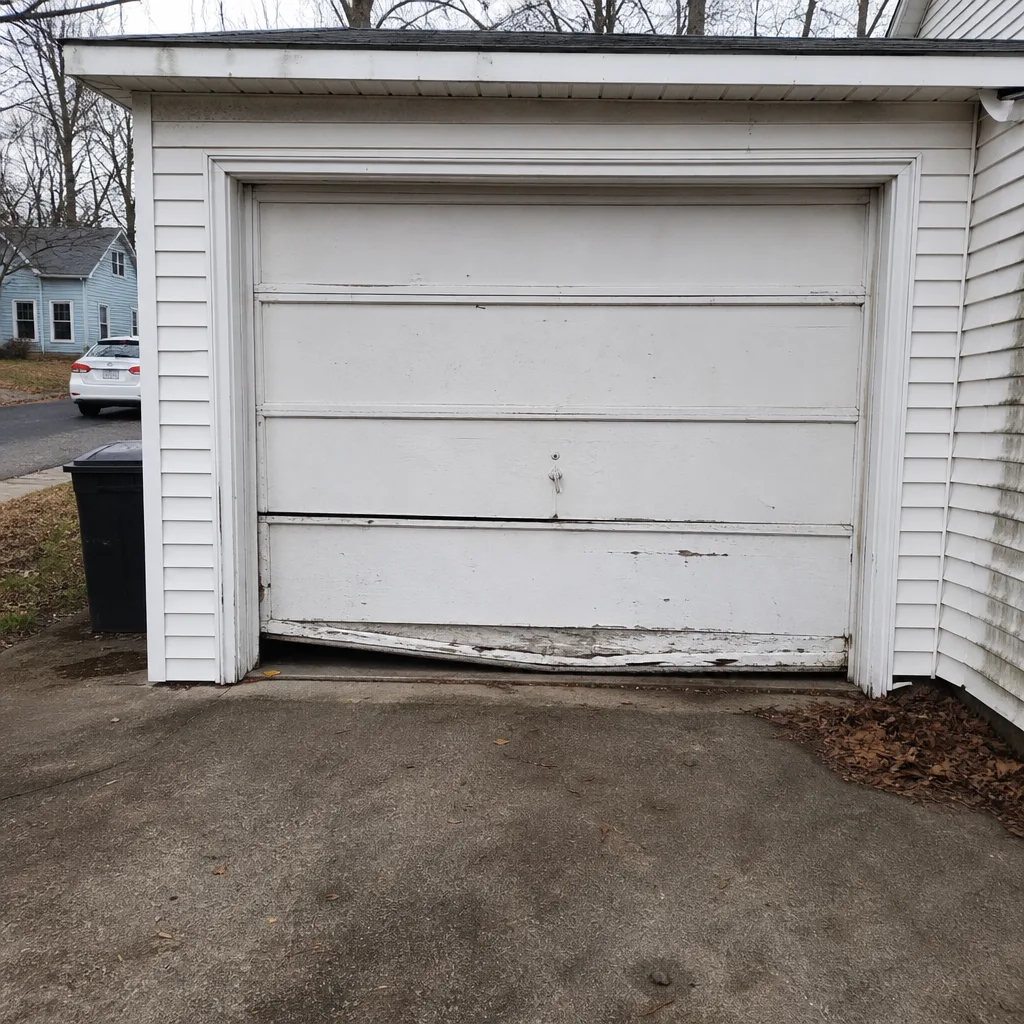 Before
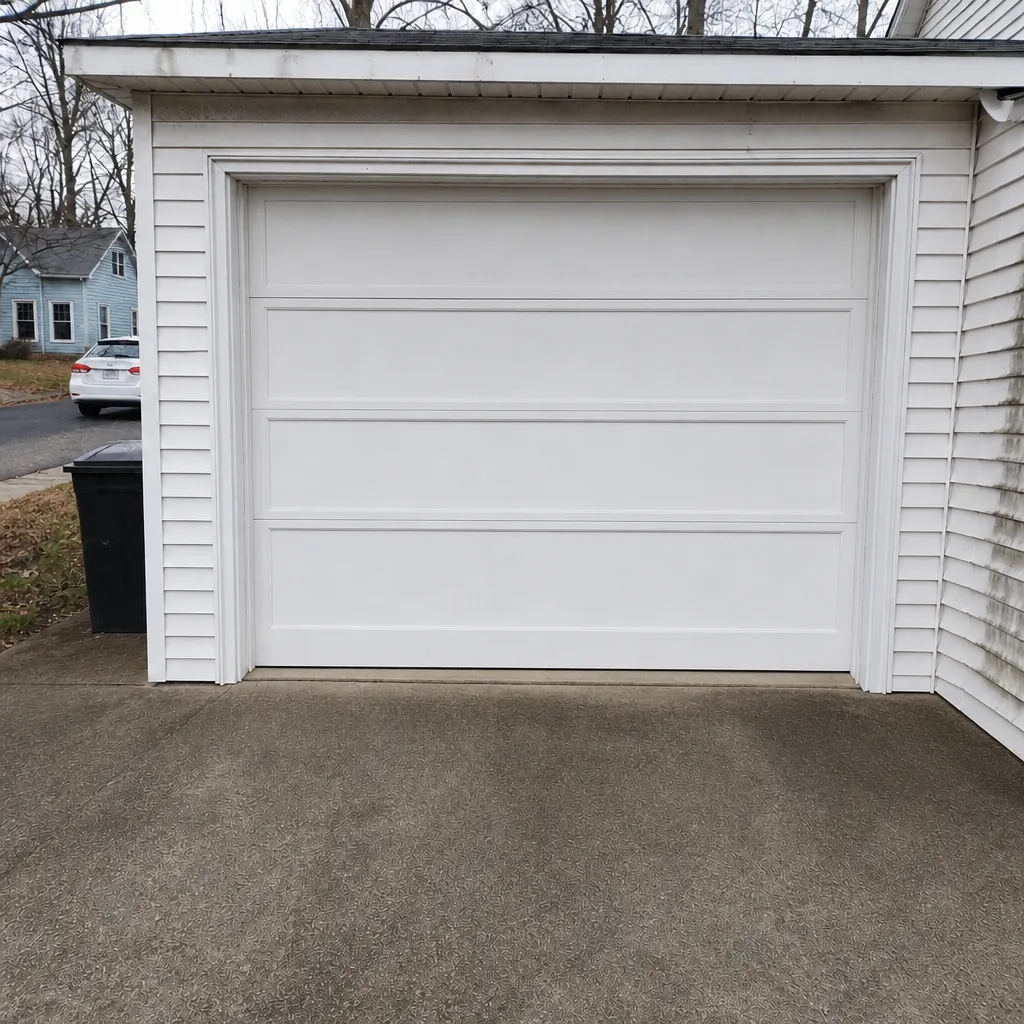 After
 Before
 After
 Before
 After