Last updated November 22, 2026
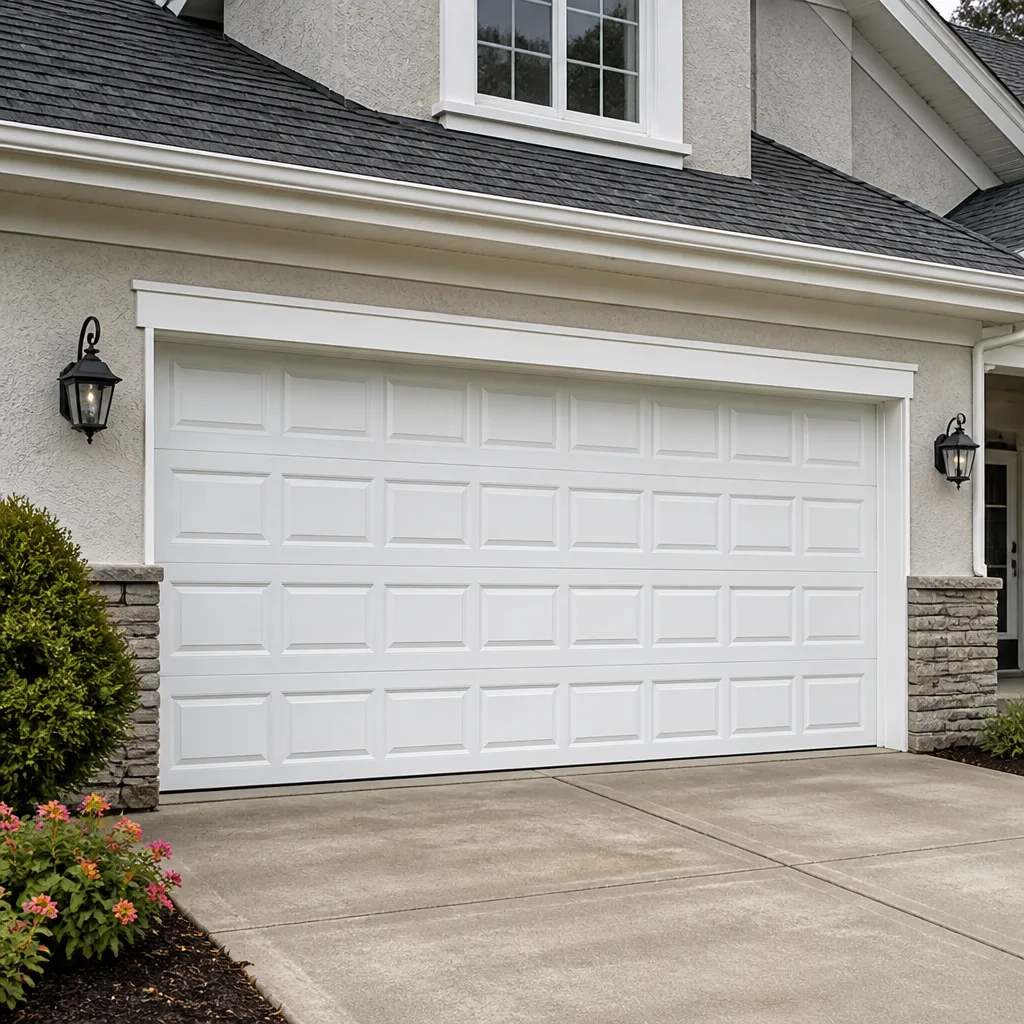 Raised-panel steel
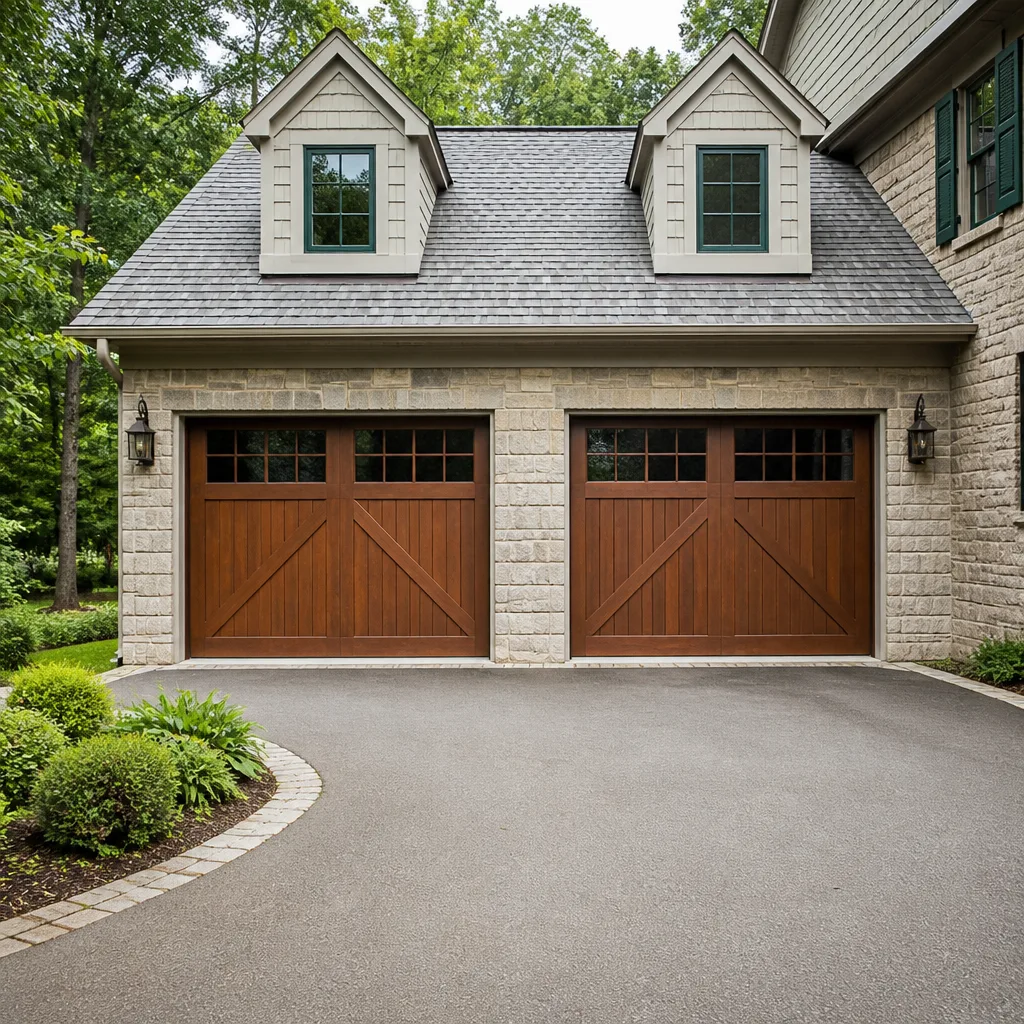 Carriage house
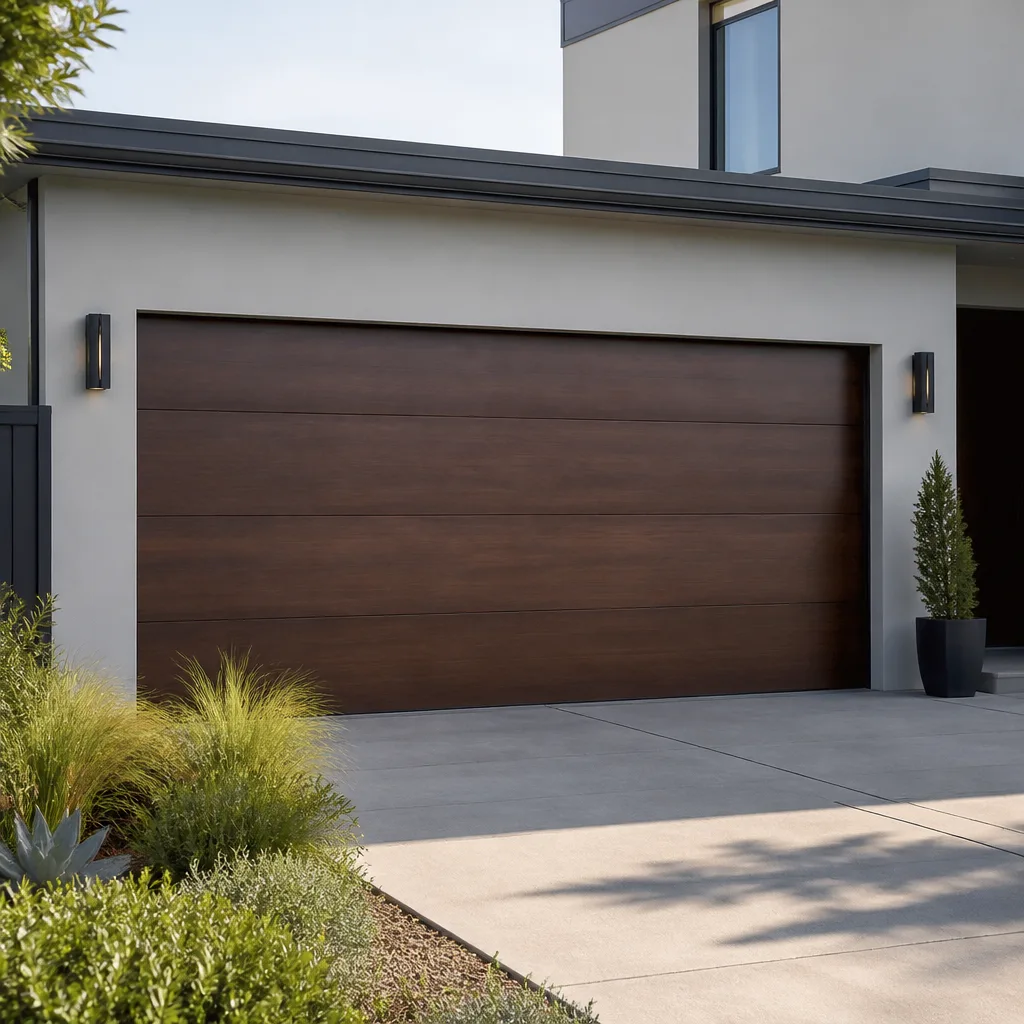 Modern flush
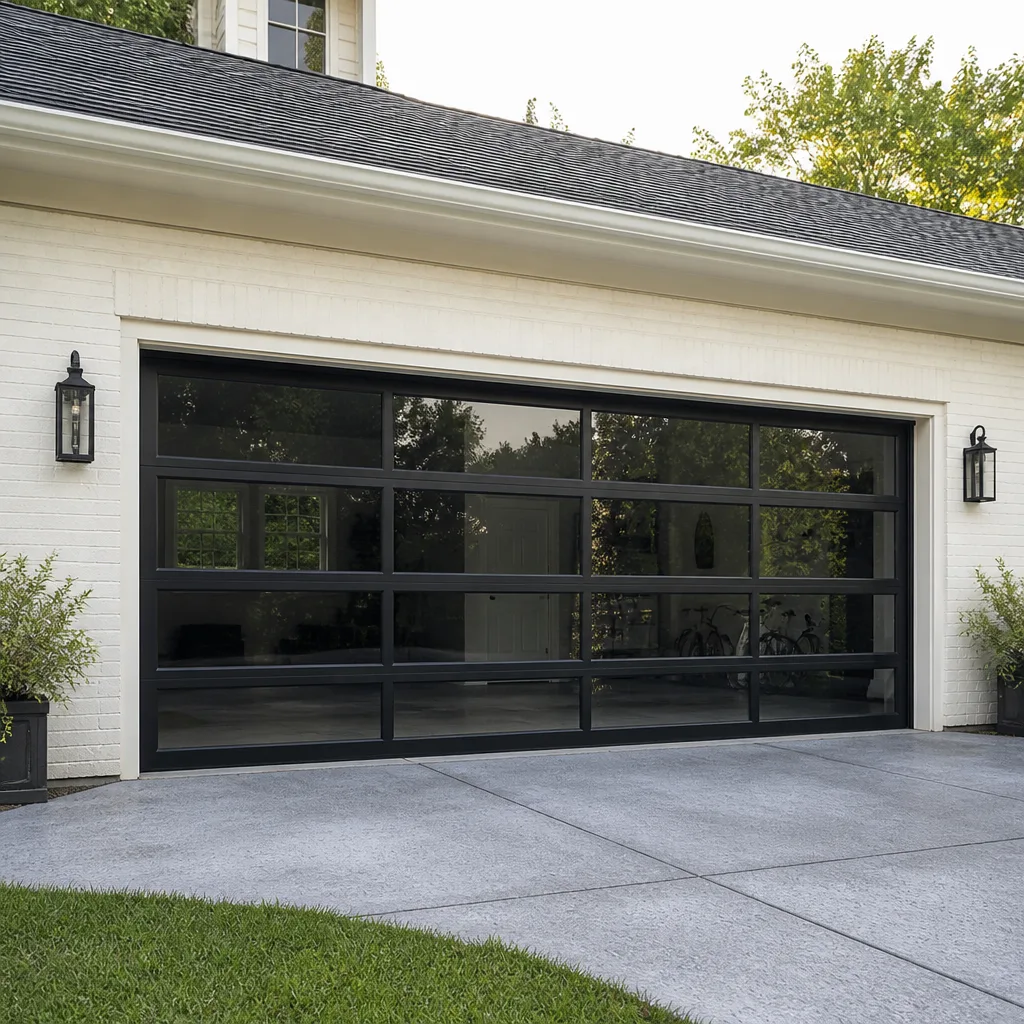 Full-view glass
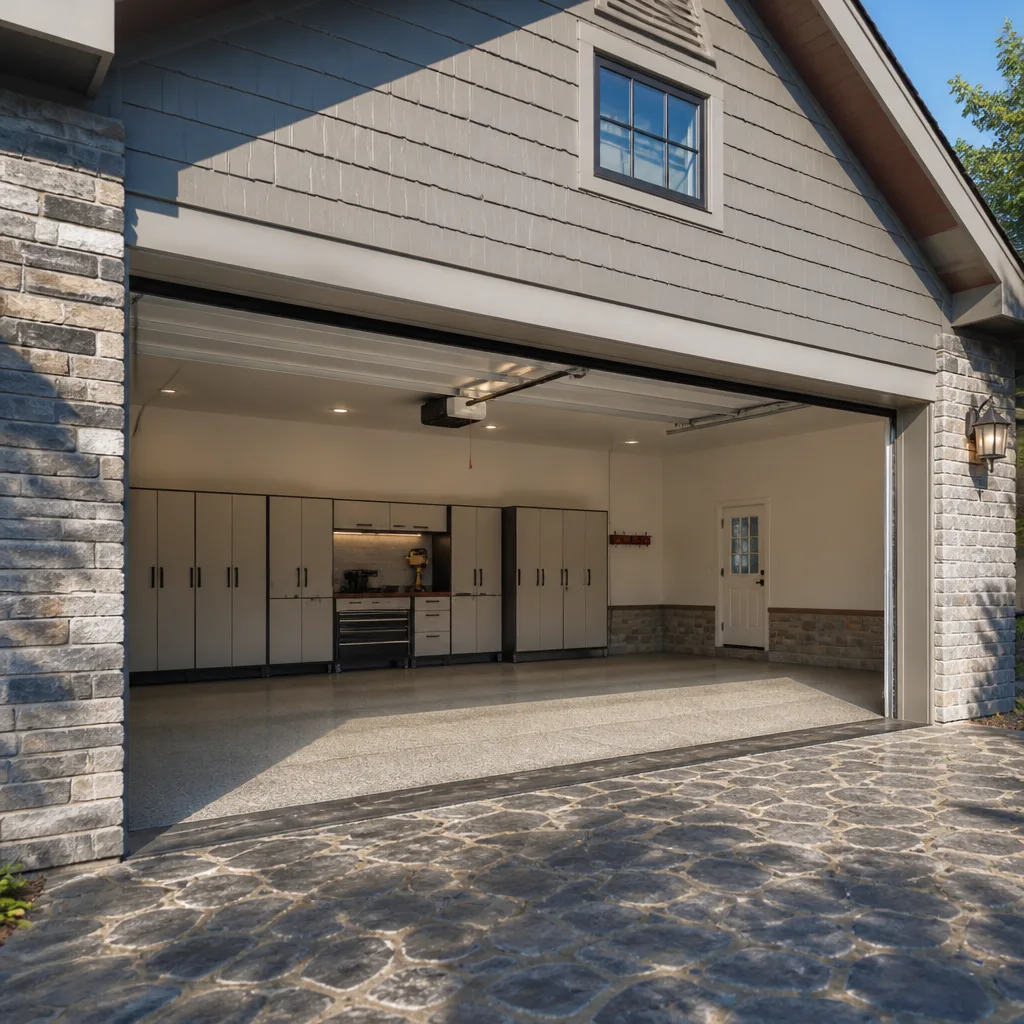 LiftMaster openers
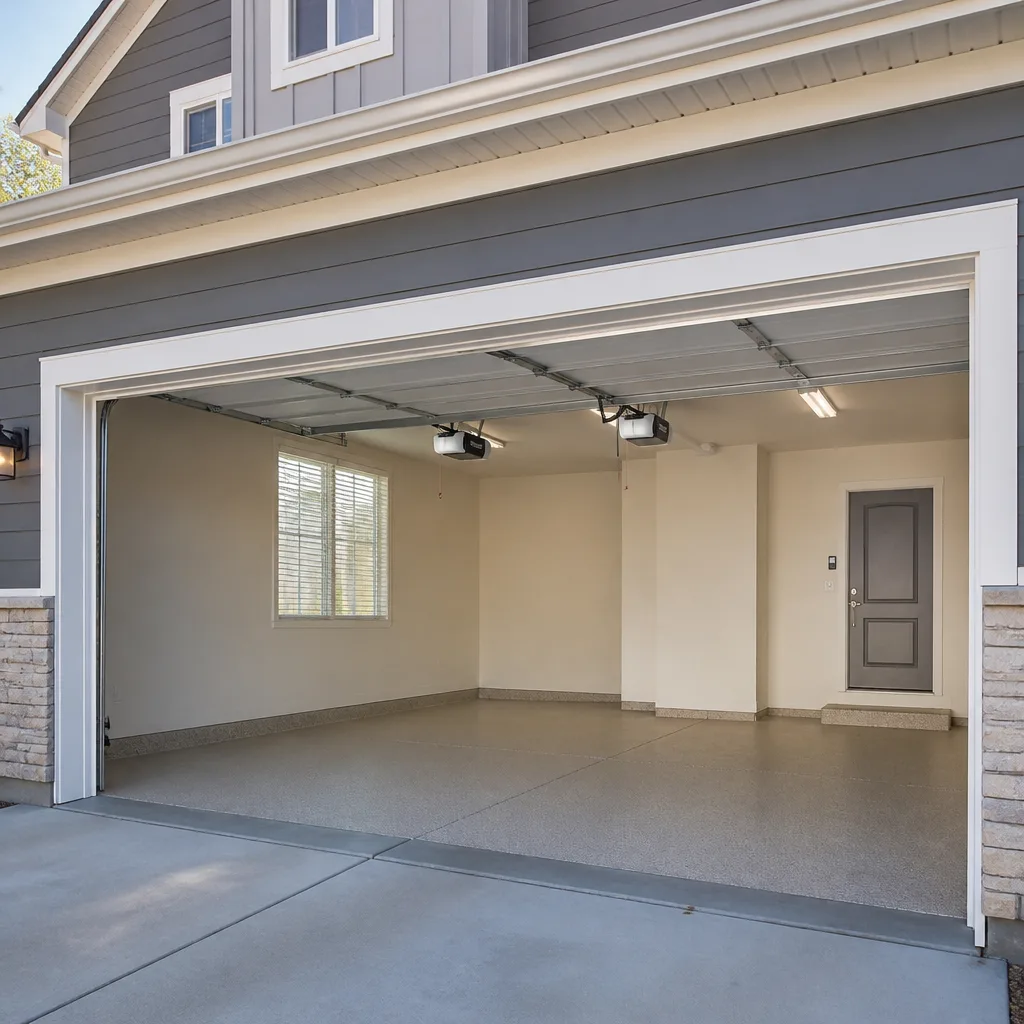 Chamberlain openers
Full 25-point door and opener safety check with every visit - springs, cables, rollers, tracks, and your LiftMaster or Chamberlain opener included
You get a price before we start. It does not change when the pro arrives.
Get your free estimateGarage Door Repair Troubleshooting in Torrington: Common Problems and How to Fix Them
A broken garage door usually announces itself before it fails. The rattle that gets louder each month, the door that lags a second longer than it used to, the faint grinding that shows up after the first cold snap – these are the warnings homeowners dismiss as “normal door noise” until the day a spring snaps and the car is stuck inside. In Torrington, where January lows and July humidity push the same hardware in opposite directions, those warnings matter more than most people realize. This guide walks you through how to read the symptoms, which checks you can safely run yourself, and where the line sits before a repair turns into a hospital visit.
Quick Answer
Most garage door failures in Torrington trace back to one of five parts: springs, cables, rollers, tracks, or the opener’s sensors and logic board. You can safely check the photo-eye alignment, remote batteries, limit settings, and track obstructions yourself. Do not touch torsion springs, cable drums, or bottom brackets – those carry stored tension that can injure or kill. If the door won’t move, moves crooked, or reverses on its own, call a garage door technician.
Styles & brands we work with
- Raised-panel steel
- Carriage house
- Modern flush
- Full-view glass
- LiftMaster openers
- Chamberlain openers
Table of Contents
- How do you diagnose a garage door problem by symptom?
- What can you safely check yourself versus what needs a technician?
- How do Torrington’s seasonal temperature swings affect your door?
- How do you tell if the problem is the opener or the door?
- Which parts look fine but cause cascading failures?
- Why are torsion springs the one part you should never touch?
- Does brand matter when troubleshooting a Torrington garage door?
- What routine checks actually prevent breakdowns?
How do you diagnose a garage door problem by symptom?
Start with what the door does, not with what brand it is. The behavior narrows the cause faster than any other clue, and it means you walk into the conversation with your technician already speaking the same language. In our experience across Torrington, the four symptoms below account for the overwhelming majority of service calls, and each points to a short list of suspects.
Door won’t open at all. Check the wall switch and remote first, then the opener’s power supply, then the manual release. If the opener hums but nothing moves, the trolley is likely disengaged or the gear inside the unit has worn. If it’s silent, the logic board or the safety sensor circuit is the culprit.
Door opens partway and stops. This usually points to a limit switch that’s drifted out of position, a binding track, or a torsion spring that’s lost tension. On a Clopay or Amarr door with extension springs, a broken spring on one side will often let the door lift a few feet before the opener overloads and cuts out.
Door opens crooked. One side is binding. Look for a bent vertical track, a roller that’s popped out of the stile, or a frayed cable on one side that’s changing the load ratio. Crooked travel is the symptom that most often turns into a bigger repair if ignored, because the opener keeps straining against the drag.
Door reverses immediately after touching the floor. Nine times out of ten, this is the photo-eye or the close-force setting, not a mechanical failure. Something is triggering the safety circuit – a misaligned lens, dirt on the eye, a spider web, or a limit setting that’s drifted. Resetting takes minutes. The door behaving this way is actually the safety system doing its job.
What can you safely check yourself versus what needs a technician?
The line is clear and it’s not about skill – it’s about stored mechanical energy. Anything under tension from the springs, or that can release that tension when loosened, is technician-only. Everything else is fair game for a homeowner with a flashlight and ten minutes.
Safe for homeowners to check
- Photo-eye alignment. The two small lenses near the floor on each side of the door should face each other with a solid beam. If one LED is blinking, wipe both lenses and check that neither bracket has been bumped.
- Remote and keypad batteries. Sounds obvious. It’s the most common false alarm we see.
- Wall switch wiring. Is the button actually sending a signal? A loose wire at the switch is a five-minute fix.
- Track obstructions. Leaves, toys, and debris caught in the track will stop the door cold. Look with a flashlight before assuming anything mechanical.
- Manual release cord. Pull it (with the door closed) to test whether the door itself moves freely. If it does, the problem lives in the opener. If it doesn’t, the problem is the door.
- Limit switch settings. If your opener has externally accessible limit screws, adjusting them is safe and reversible.
Technician-only work
- Torsion springs mounted on the shaft above the door
- Extension springs running along the horizontal tracks
- Cable drums and lift cables
- Bottom brackets that anchor the cable
- Center bearing plates
- Any adjustment to the door’s balance
These parts hold enough stored energy to break bones or worse if released incorrectly. Every spring shop has heard the same story – someone watched a video, bought a winding bar, and got lucky. The unlucky ones don’t call us. That’s the calculation, and no repair is worth a hand or an eye. For expert garage door spring repair, the work stays with a trained technician.
How do Torrington’s seasonal temperature swings affect your door?
Torrington sits in a part of Connecticut where the mercury can swing from single digits in January to the upper 80s in July, and that spread does measurable work on every metal part of a garage door system. Steel contracts in cold, which changes the geometry of a torsion spring that was wound in warmer weather. The door gets heavier in winter. The opener strains harder. Then summer arrives, everything expands, and the clearances tighten again.
Three specific effects show up over and over in our service calls around Torrington:
- Lubricant thickens in cold. The grease on your rollers, hinges, and spring coils becomes stiff below freezing. That stiffness adds drag the opener has to overcome, and the extra load is what finally breaks a spring that was already near the end of its cycle life.
- Spring tension shifts seasonally. A torsion spring rated for a specific door weight will behave differently in 10-degree air than in 80-degree air. A door that balanced perfectly in October can feel heavy in February, and that heaviness pushes the safety reverse system to misfire or the opener to stall partway up.
- Wood and steel panels expand at different rates. On a mixed-material door, or a Wayne Dalton model with an insulated core, the panels move slightly against each other season to season. That movement wears hinges and loosens fasteners over time, which is why annual hardware inspections catch problems early.
If your door starts acting up within two weeks of a hard cold snap or the first humid week of summer, assume temperature is part of the story. It doesn’t always cause the failure, but it’s often the trigger that turns a worn part into a broken one. Having a technician check balance and lubrication in late fall pays for itself by reducing winter strain on the opener.
How do you tell if the problem is the opener or the door?
The manual release cord is the most useful diagnostic tool on your whole garage door, and most homeowners never touch it. It’s the red-handled rope hanging from the trolley, and pulling it disconnects the door from the opener. Here’s the test: with the door fully closed, pull the release, then lift the door by hand to about waist height and let go.
- If the door stays where you leave it, balanced and light, the door and springs are working. The problem is in the opener.
- If the door sags or slams down, the springs or cables are the problem. The opener was likely never broken – it was just fighting a door it couldn’t lift.
- If the door is nearly impossible to lift, a spring has failed or a cable has snapped. Do not run the opener. Call a technician.
Once you’ve established the problem lives in the opener, sorting electrical from mechanical from logic-board is a matter of observation:
Electrical. No lights, no sound, no response to the wall button. Check the outlet, the breaker, and the low-voltage wire running to the wall switch. A dead opener is often just a dead circuit.
Mechanical. You hear the motor run but the door doesn’t move, or it moves a few inches and stops. That’s a stripped drive gear, a worn belt, or a chain that’s jumped the sprocket. On a Genie or Chamberlain unit with a screw drive, a worn carriage is a common cause.
Logic board. The opener beeps, flashes codes, or moves the door in the wrong direction. Modern openers communicate through a control board that can fail with age or after a power surge. A technician can read the flash codes and confirm whether the board needs replacement rather than a whole new unit. For garage door opener repair, diagnosing this before replacing saves real money.
Which parts look fine but cause cascading failures?
The most expensive garage door repair is almost always the one that started small. Garage door systems are linked – every part carries load from another – so a component that looks intact can quietly transfer its work onto something weaker. By the time the failure is obvious, two or three parts have gone instead of one.
The classic examples:
- Worn nylon rollers. A $3 roller flattens over time. As it flattens, it stops rolling and starts dragging. The drag stresses the track, which bends slightly, which forces the door to work harder to travel, which adds load to the opener motor and the springs. One worn roller becomes a track repair and an opener service call if you let it go.
- A fraying lift cable. Cables are wound tight and rarely show obvious failure until they snap. But a cable that’s starting to fray loses a little tension on its side, which shifts the load onto the opposite spring. That spring then bears more than its rated weight and fatigues faster. You end up replacing both springs and both cables when the original problem was one worn cable.
- A slightly bent hinge. Sounds minor. A bent hinge on a sectional door throws off the panel alignment, which makes the door bind at that stile, which flexes the panel itself, which can eventually crack the section. A hinge replacement is cheap. A panel replacement is not.
- A worn center bearing plate. On a torsion setup, the shaft runs through a bearing plate at the center of the door. When the bearing dries out, the shaft starts to wobble. That wobble wears the spring coils unevenly and can crack the plate itself.
The lesson is to have hardware inspected on a schedule rather than waiting for complete failure. A technician checking rollers, hinges, cables, and bearing plates every year or two catches these cascades before they multiply.
Why are torsion springs the one part you should never touch?
Torsion springs on a standard residential door hold hundreds of pounds of stored force, wound tight against the shaft above your head. That stored energy is what lets you lift a 200-pound door with one hand. It’s also what makes the spring the single most dangerous part of the system. When a torsion spring fails without warning, the snap can be loud enough to shake the house and the released force can damage anything in its path.
The reason we never recommend homeowner spring work isn’t about gatekeeping. It’s that the failure mode is unforgiving. Winding bars slip. Set screws loosen mid-procedure. A spring under full tension releases in a fraction of a second, and the person holding the bar is usually in the line of release. There’s no do-over. Standard torsion springs also come in different wire gauges and lengths matched to the door’s weight, so a mismatched replacement is not just dangerous to install – it can load the door wrong and cause the whole system to misbehave.
What you should do instead: if a spring breaks, stop using the door and call a technician. Don’t run the opener hoping it will just need a reset. Don’t try to lift the door to get the car out – that’s exactly the moment the other spring or a cable is under maximum strain. Leave it closed, disconnect nothing, and call for garage door spring repair. A trained technician will identify the correct spring for the door, wind it safely, and check the balance and cables before leaving. That’s the repair done right.
Does brand matter when troubleshooting a Torrington garage door?
Brand matters less than symptom, but it does help once you’re on the phone. Knowing whether the door is a Clopay, an Amarr, a Wayne Dalton, or something else tells a technician what hardware to expect, what fails on that model most often, and what parts to bring to the first visit. The same is true for the opener – a Genie, LiftMaster, or Chamberlain unit responds to different diagnostic routines and different flash codes.
At Torrington Garage Door Repair, our technicians work on the eight most common residential brands: LiftMaster, Chamberlain, Genie, Clopay, Amarr, Wayne Dalton, Craftsman, and Raynor. That means when we talk through a symptom over the phone, we’re often recognizing the pattern from the model. A Wayne Dalton door with an iDrive opener failing to travel fully is a different diagnostic than a Clopay door with a standard trolley opener behaving the same way. The pattern is familiar before we arrive.
One call covers the door and the opener – the full system. That matters when a failure could be either: a door that closes crooked could be a spring, a bent track, or an opener limit drift. Rather than sending a door tech and then an opener tech, a single technician trained on both the structure and the mechanism diagnoses the whole thing at once. Torrington homeowners we work with tend to appreciate not having to schedule a second visit for the same problem.
What routine checks actually prevent breakdowns?
Garage doors are the most-used heavy mechanical system in most homes and the least-maintained. A few small habits prevent most of the failures we see in Torrington.
- Lubricate moving parts twice a year. A garage door lubricant on hinges, rollers, and the torsion shaft. Not WD-40, which is a solvent, not a lubricant. Do this in fall (before the cold) and spring (before the humidity).
- Test the safety reverse monthly. Put a small object (a roll of paper towels works) in the door’s path on the floor and press close. The door should reverse on contact. If it doesn’t, the close-force setting is too high or the photo-eye is malfunctioning.
- Wipe the photo-eye lenses every couple of months. One minute with a soft cloth prevents the number-one service call.
- Inspect rollers and hinges visually. Look for flat spots on nylon rollers and bent hinges. Catch them early.
- Listen. A door that has developed a new squeak, rattle, or grinding noise is telling you something. Note when it happens (open, close, specific height) and that information goes straight into the diagnosis.
- Book a tune-up before winter. Balance, lubrication, and spring check ahead of the cold months reduce the odds of a failure in the middle of a January cold snap when you most need the door working.
None of this replaces a professional inspection, but it does stretch the interval between major repairs and gives you a head start when something does go wrong.
Common Mistakes to Avoid
- Running the opener after a spring breaks. It seems harmless to try it once. It isn’t – the opener is trying to lift a door the springs no longer support, and the strain can damage the motor or snap the good cable on the other side. Leave the door closed and call.
- Increasing the close-force setting to fix a door that reverses. The door is reversing because the safety system is telling it something is wrong. Overriding that setting to solve the symptom increases the risk of the door closing on a person or pet. Diagnose the cause instead.
- Lubricating the tracks. This is the classic mistake. Garage door tracks should stay dry – lubricant on the track attracts grit and makes the rollers slide instead of roll. Lubricate the rollers and hinges, never the track itself.
- Replacing one spring when both are the same age. Torsion springs are typically replaced in matched pairs for a reason. The second spring is on the same wear cycle as the first, so putting one new spring next to a near-failure spring means you’ll be back in this position in a few months. Do both while a technician is already there.
- Ignoring a new noise for weeks. The rattle or squeak that develops over a few weeks is the cheapest repair in the whole system. Waiting until it fails turns a $30 roller replacement into a track repair or an opener replacement.
- Adjusting the torsion spring to “make the door lighter.” Homeowners sometimes try to increase tension because the door feels hard to lift. That’s almost always wrong – the door feels heavy because a spring is failing or the cables are out of balance, not because the spring needs more turns. More turns on a damaged spring is a recipe for a sudden failure.
- Calling a general handyman for spring or cable work. A generalist can swap a battery or a remote, but torsion spring work requires specific tools and a trained hand. Torrington has plenty of capable contractors – spring work is the one job where a specialist matters.
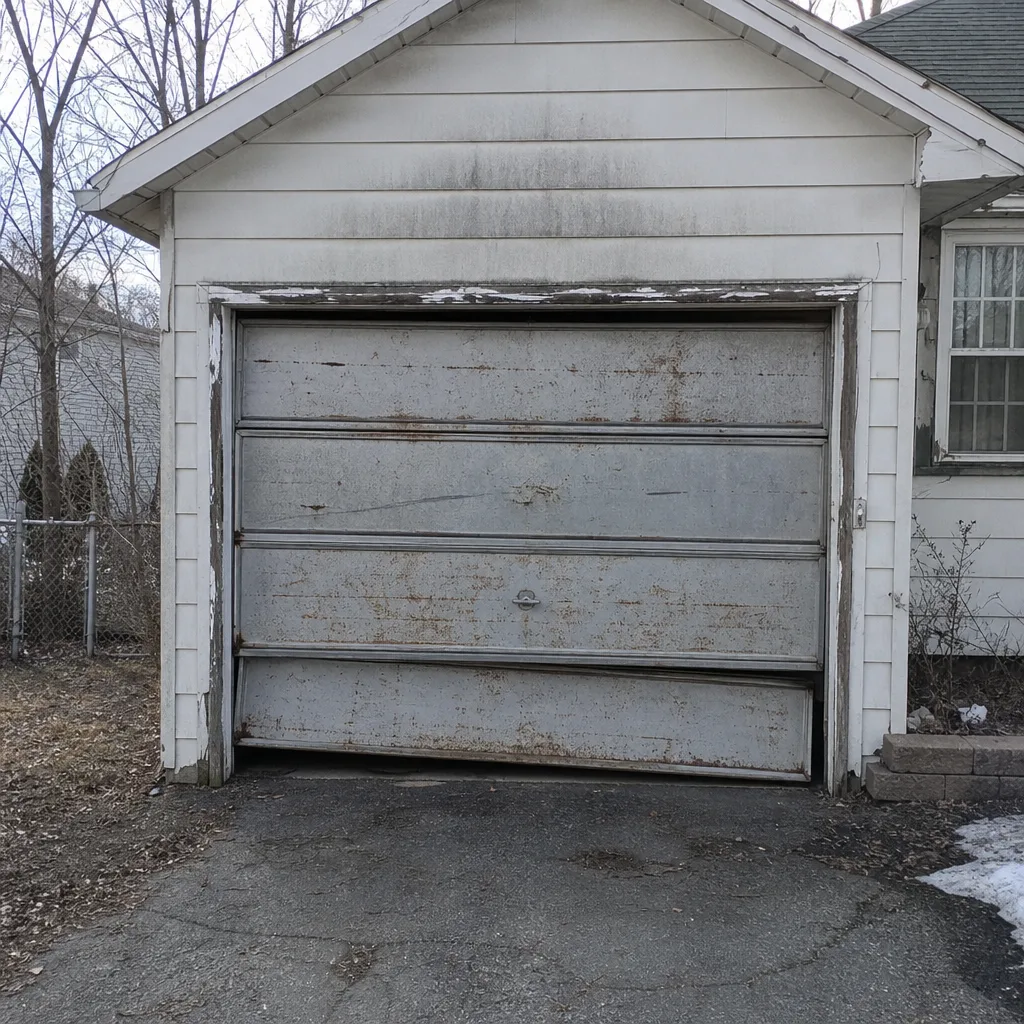
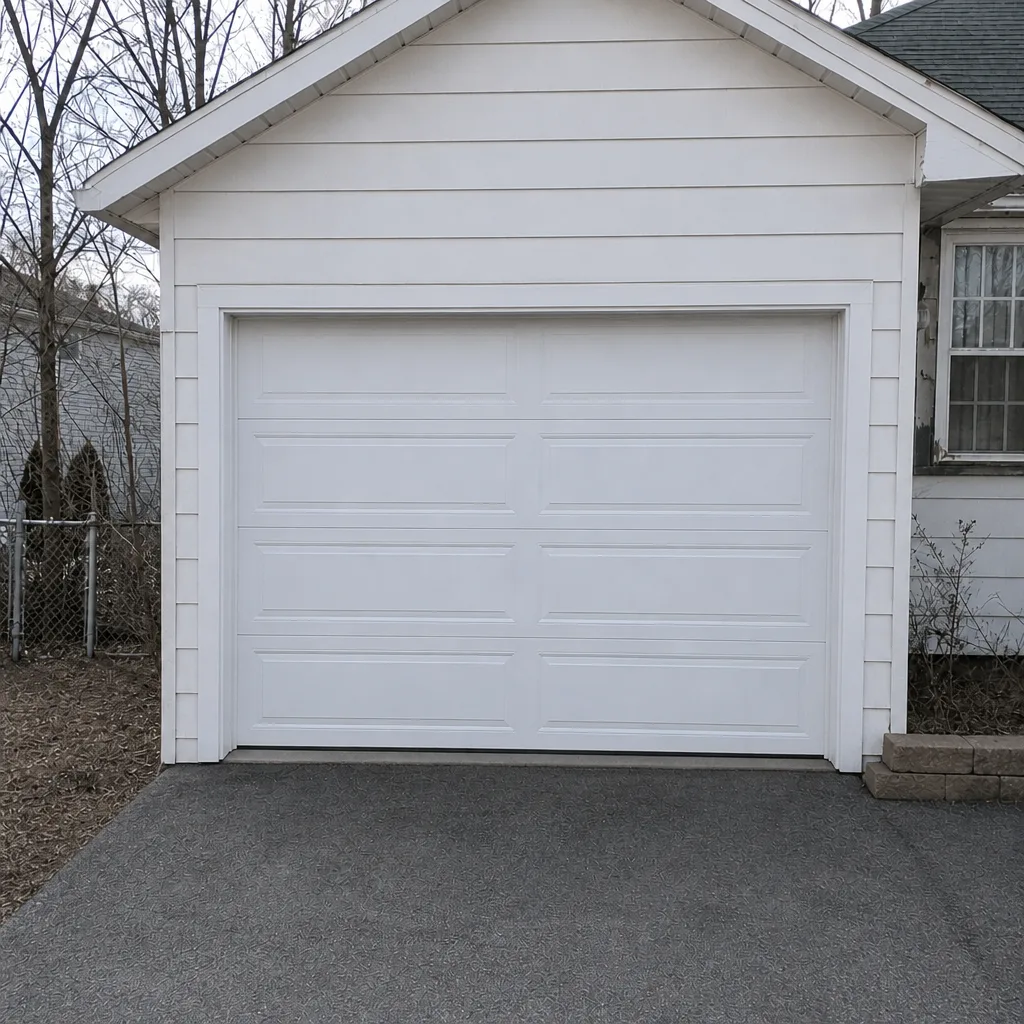
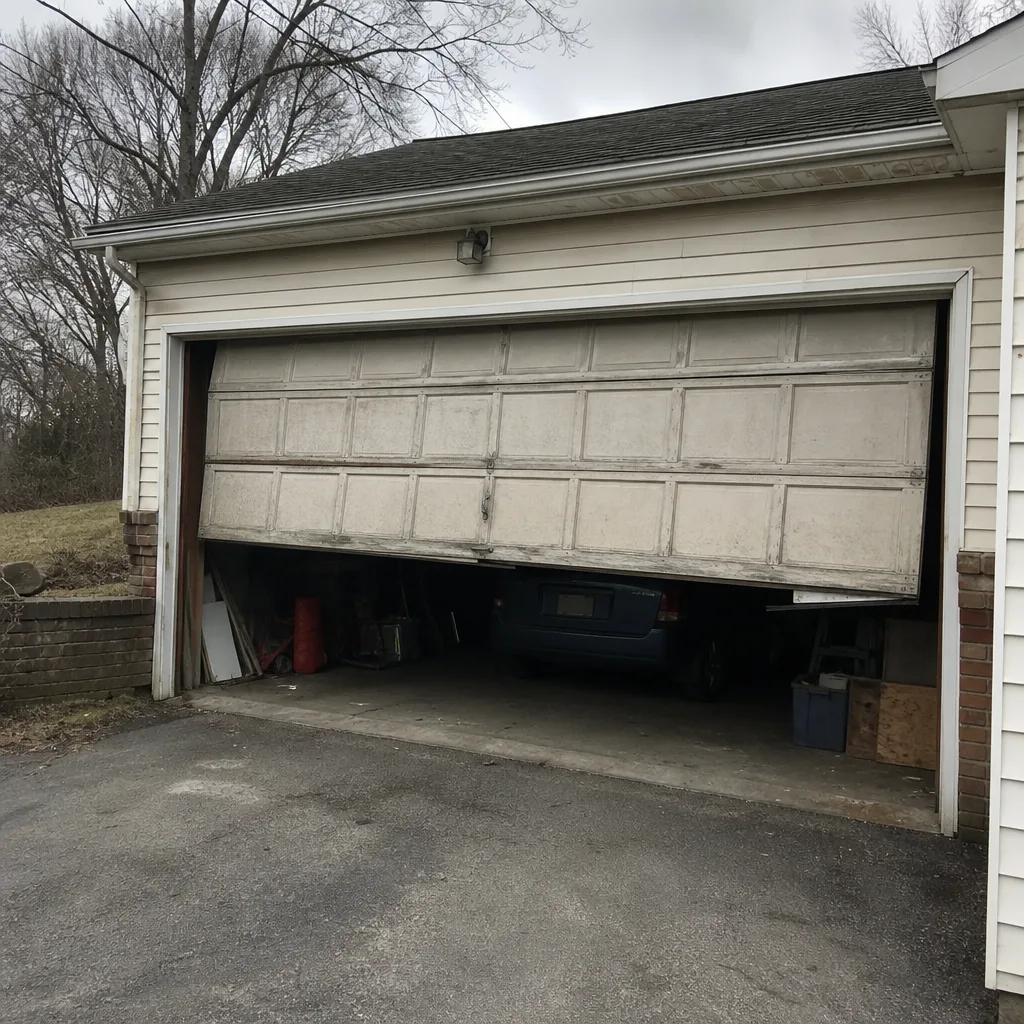
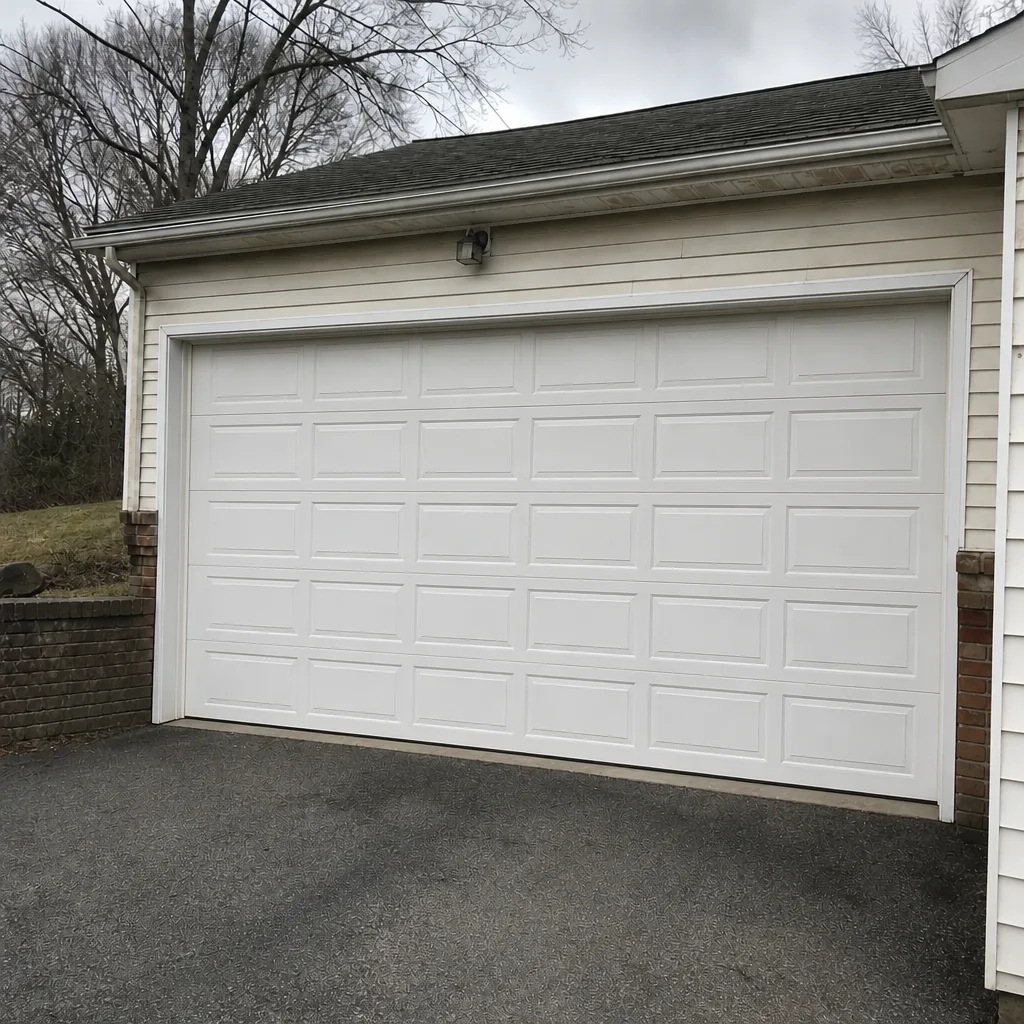
See the difference
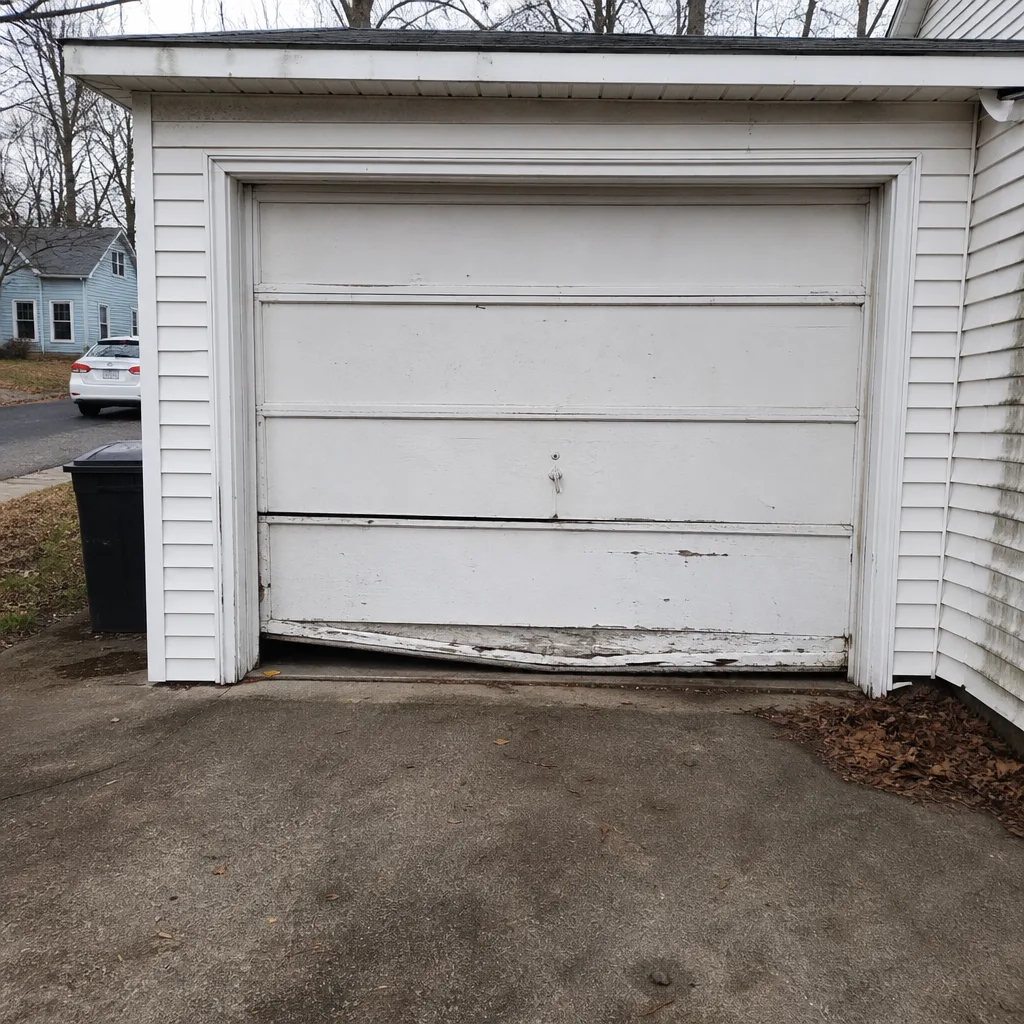 Before
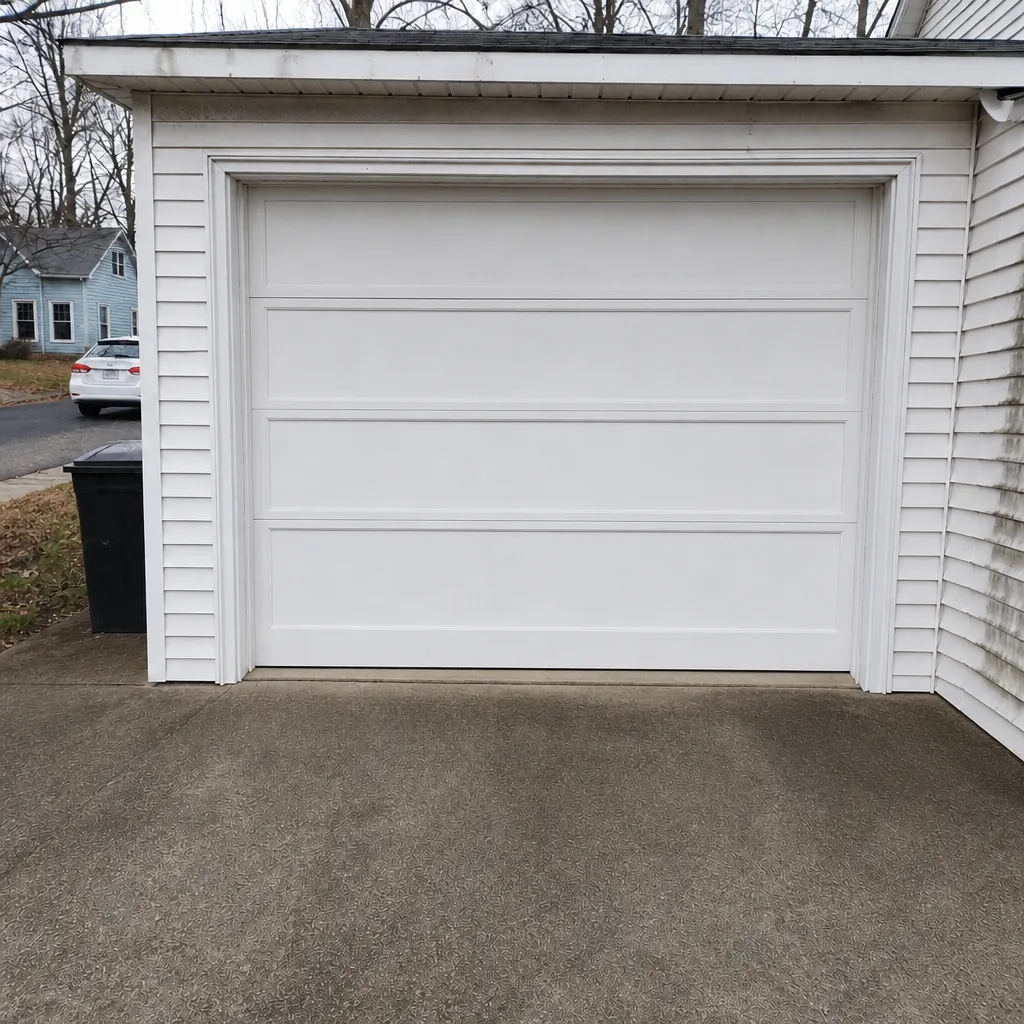 After
 Before
 After
 Before
 After
When to Call a Professional
Call a professional for anything involving springs, cables, bottom brackets, or door balance – no exceptions. Also call if the door won’t move at all, moves crooked, slams down without control, or if the opener hums without moving the door. Call when you don’t feel safe running the door, when you’re not sure what’s wrong, or when a symptom has persisted for more than a few days. If your car is trapped in the garage and the door is stuck closed, an emergency call makes sense – that door is your access to the vehicle and to the house in some layouts. Torrington Garage Door Repair offers free estimates in Torrington – call (844) 629-7893. Your garage door is a security system, and getting it working right is worth a phone call rather than a weekend on YouTube.
Frequently Asked Questions
No. Torsion and extension springs store enough energy to cause serious injury or death if they release unexpectedly, and winding them requires specific tools and training. Leave spring work, cable work, and bottom bracket work to a technician. If a spring has broken, keep the door closed and call us at (844) 629-7893 for help.
Three common causes: a limit switch that’s drifted out of position, a binding track or worn roller, or a spring that’s lost tension. Check the track for debris first. If the door still stops partway, run the manual release test described above – if the door feels heavy when you lift it by hand, the springs are the problem. Call (844) 629-7893 for a free estimate if the door is binding or heavy.
The safety sensor circuit is almost always the answer. Something is triggering the photo-eye – a misaligned lens, dirt, a spider web, or a sunbeam hitting one eye directly. Wipe the lenses and check alignment. If the door still won’t close and the opener’s LED is blinking, the safety reverse needs adjustment. Call (844) 629-7893 if alignment doesn’t solve it.
Once a year is the standard for a home garage door, ideally in fall before the cold months place extra strain on the springs and opener. Homes with heavier doors (insulated models like many Clopay and Amarr setups) or doors used many times a day benefit from a second tune-up in spring. Call (844) 629-7893 to schedule a service visit.
Yes. The opener is rated to lift a door that the springs have counterbalanced – a door without working springs is two to three times heavier than the motor expects. Every time the opener runs against a broken spring, the gear, belt, or chain wears faster, and the good spring on the other side takes extra load. Stop using the door and call (844) 629-7893.
It depends on the failure. Springs, cables, rollers, and openers are all repairable on a 12-year-old door and usually worth fixing. Panels that are warped, cracked, or badly rusted, or a door with multiple section failures, often make replacement the better value. Free estimates help here – call (844) 629-7893 and a technician can talk you through both options on-site.
The Bottom Line
Most garage door failures aren’t sudden. They’re the result of a worn roller, a fraying cable, or a spring on the end of its cycle, quietly shifting load onto the next part until something snaps. Torrington’s temperature swings speed that process up – cold stiffens lubricant and strains springs, humidity tightens clearances, and the door feels every change. Learn your door’s language. Check the safe parts (photo-eyes, remotes, tracks, limits), run the manual release test when something feels off, and leave springs and cables to a specialist. If the door is doing something you can’t confidently diagnose, that’s the sign to bring in garage door repair expertise for the full system.
If you’ve worked through the symptoms, ruled out the safe checks, and something still isn’t right – or if you’ve stopped at the spring because you know better than to touch it, which is exactly right – we’re here for the diagnosis and the repair. Call (844) 629-7893 for a free estimate on Torrington Garage Door Repair, and one of our technicians will confirm the cause, walk you through the fix, and get the door working again.
Written by the team at Torrington Garage Door Repair.