Last updated November 22, 2026
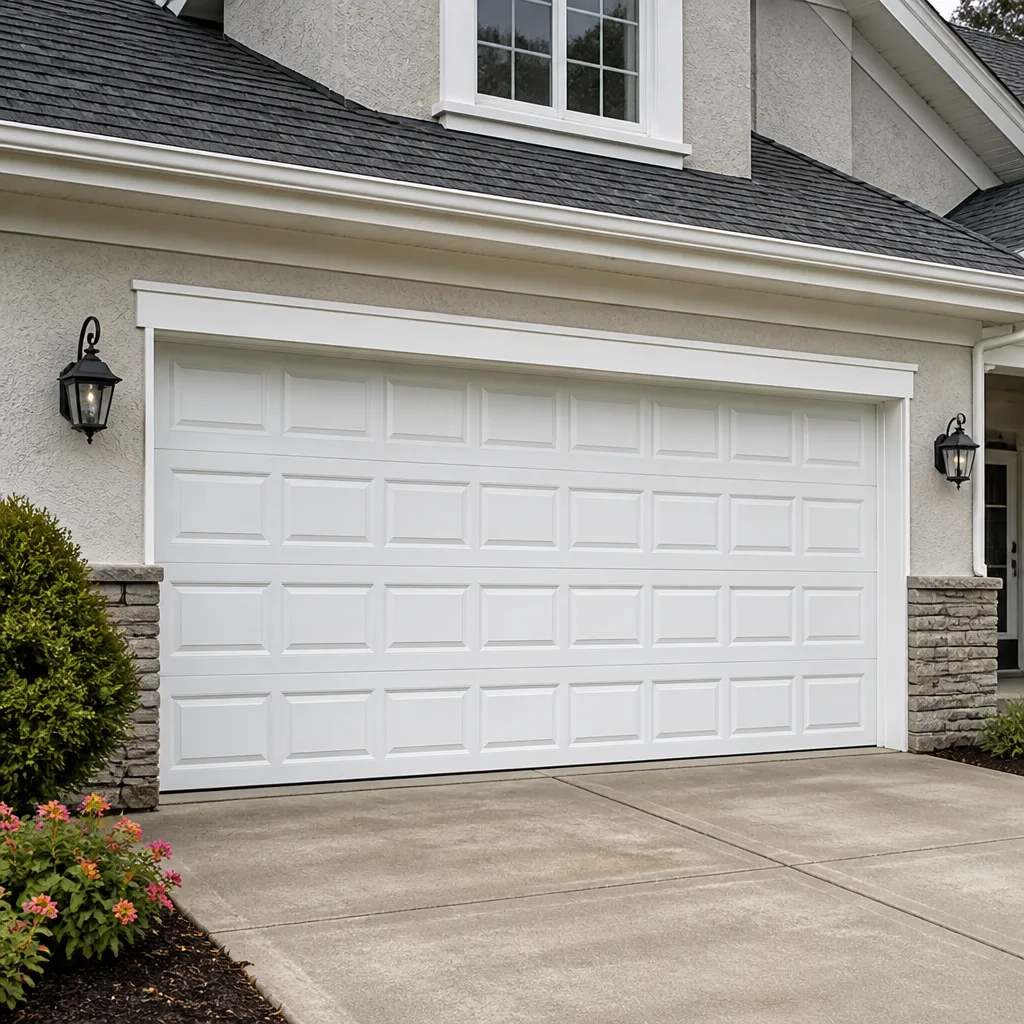 Raised-panel steel
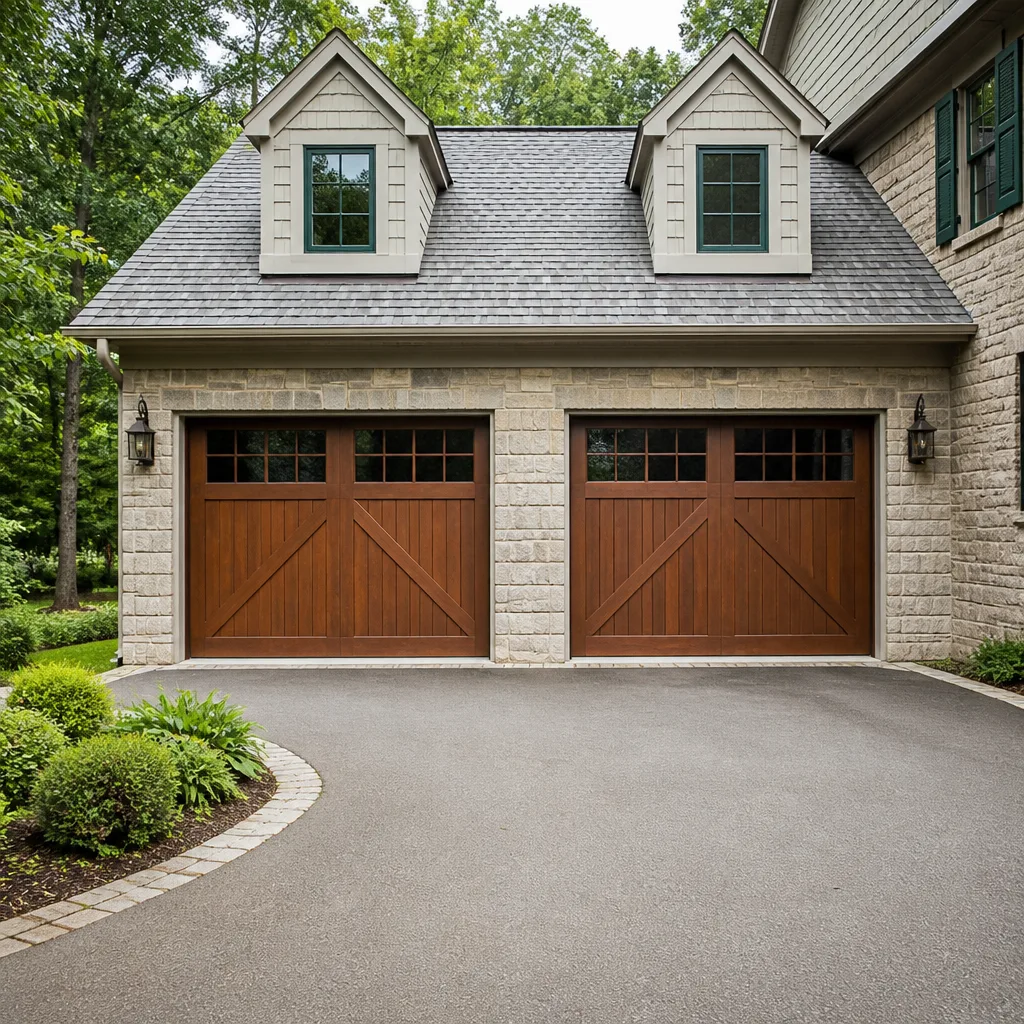 Carriage house
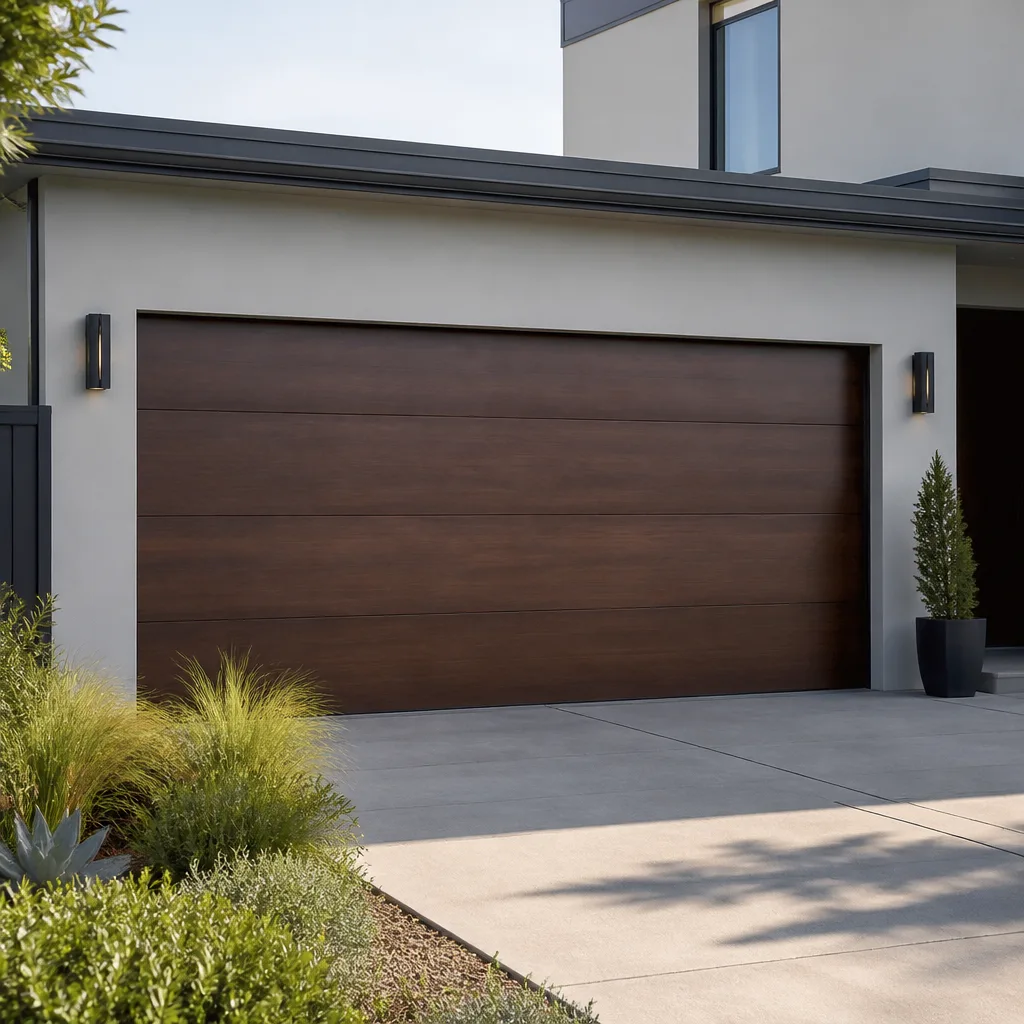 Modern flush
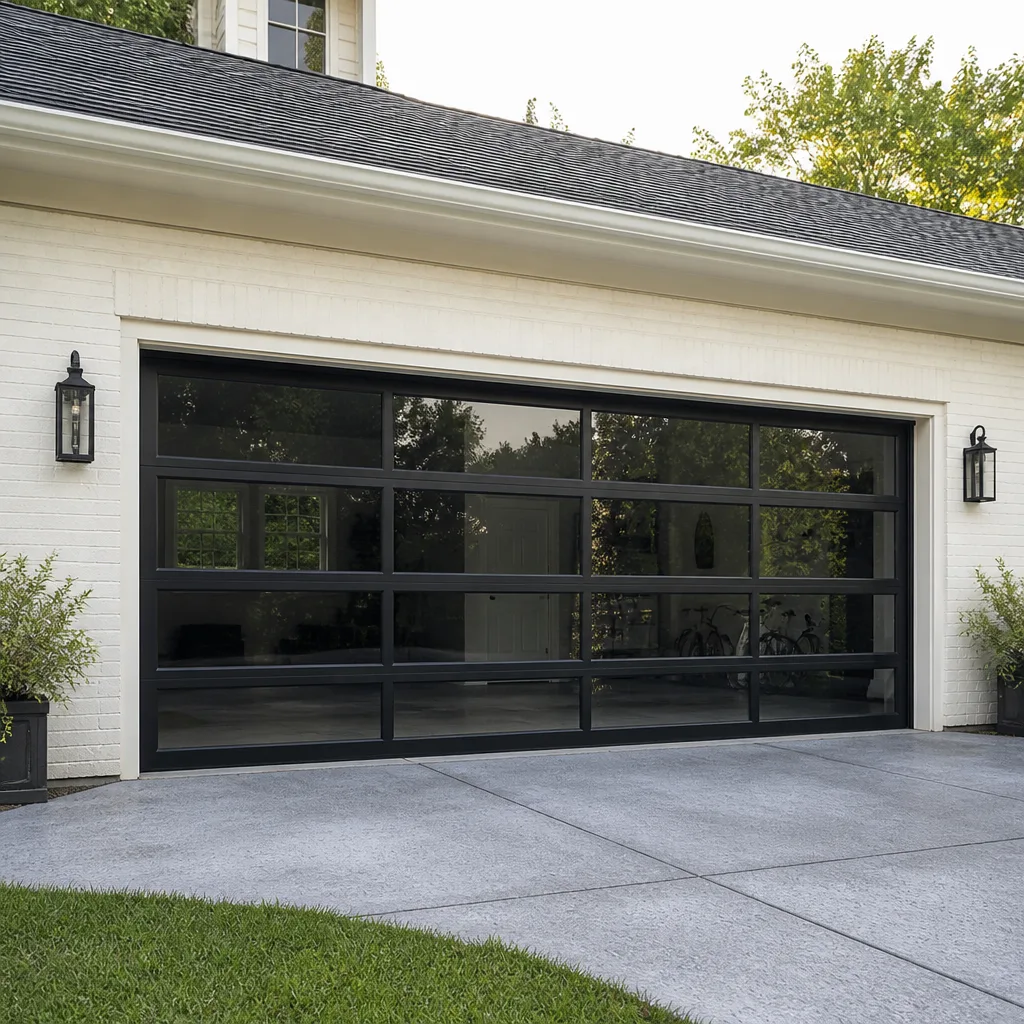 Full-view glass
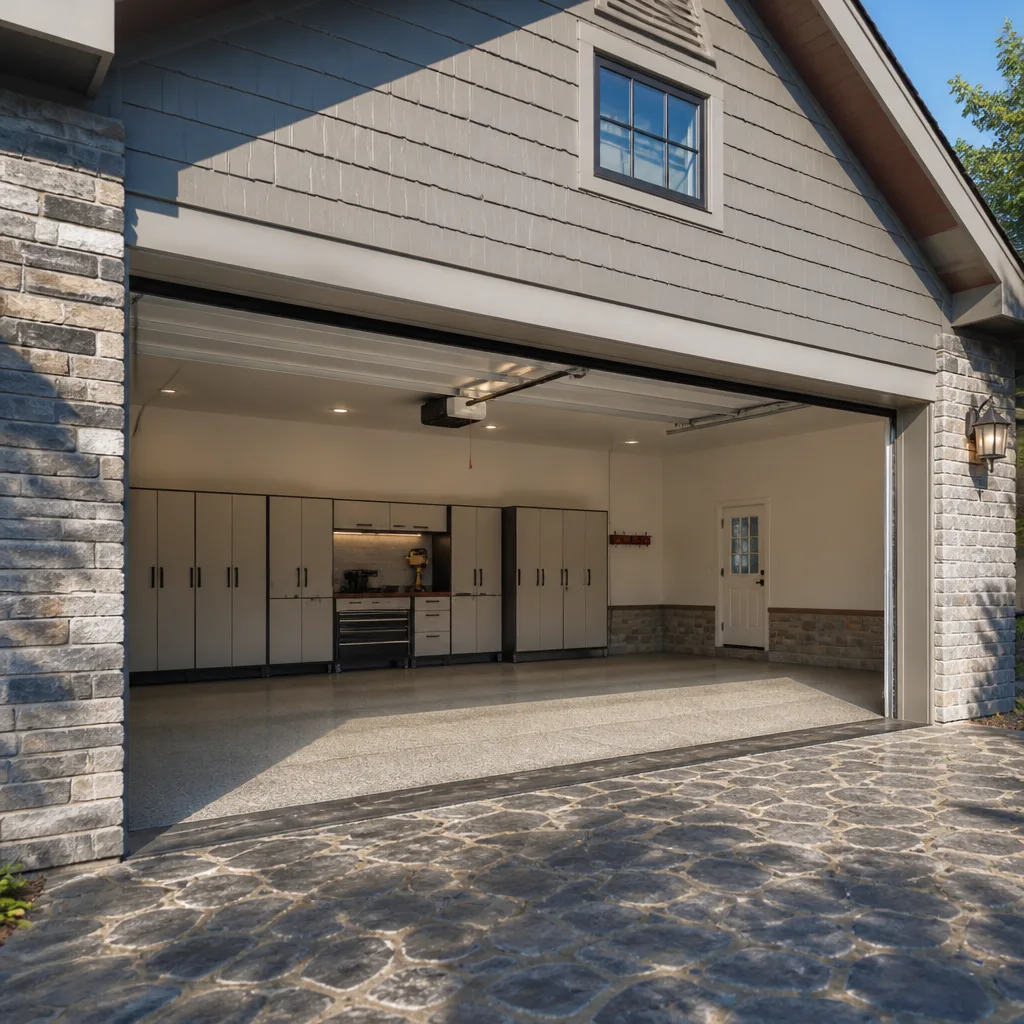 LiftMaster openers
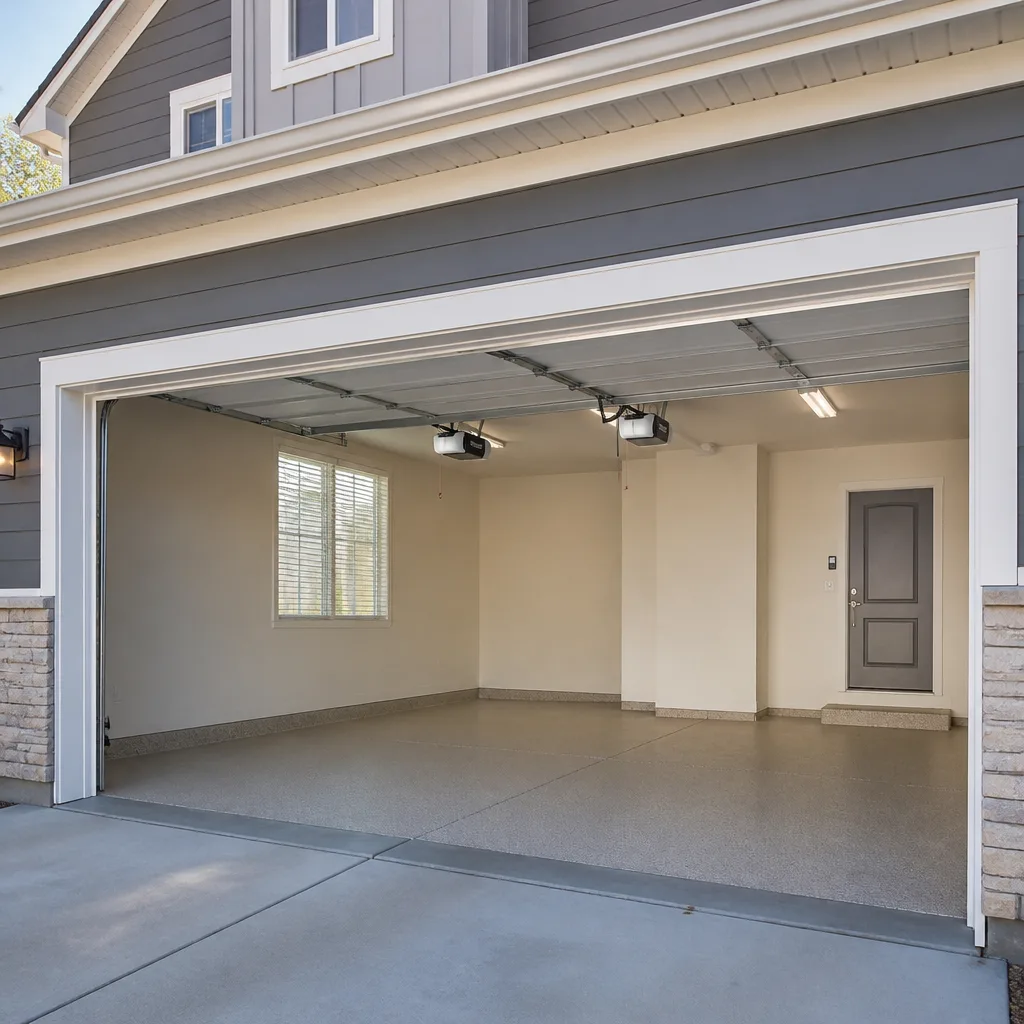 Chamberlain openers
Full 25-point door and opener safety check with every visit - springs, cables, rollers, tracks, and your LiftMaster or Chamberlain opener included
You get a price before we start. It does not change when the pro arrives.
Get your free estimateDIY vs Professional Garage Door: The Torrington Homeowner’s Decision Guide
Torsion springs store enough energy to cause permanent injury in an instant. Painting your garage door panels is a perfectly reasonable project. The problem is that most guides treat “garage door work” as a single category, so a homeowner who can handle weatherstripping starts to believe they can handle a spring. They can’t, and the difference isn’t confidence. It’s which specific task you’re attempting. This guide draws the line by task type instead of by skill level, explains why torsion work is mechanically different from every other repair around your house, and covers the tools and math behind a legitimate opener installation. You’ll learn what’s safe for you on a Torrington home and what genuinely isn’t.
Quick Answer
Some garage door work is safe for a careful homeowner and some of it can kill you. Weatherstripping, painting panels, and sensor alignment are reasonable DIY projects. Spring replacement, cable work, and track realignment under tension belong to a trained technician, because those components hold stored energy that releases without warning. For anything involving torsion springs or cables in Torrington, call a professional.
Styles & brands we work with
- Raised-panel steel
- Carriage house
- Modern flush
- Full-view glass
- LiftMaster openers
- Chamberlain openers
Table of Contents
- The three hard lines in garage door work
- What’s genuinely safe to do yourself
- Why torsion springs are categorically different
- Cables, tracks, and the tension problem
- The tools an opener installation really takes
- The break-even math on professional installation
- How Connecticut homeowners insurance treats DIY damage
- What Torrington weather does to your door
The Three Hard Lines in Garage Door Work
We sort every garage door job into three buckets, and the sorting has nothing to do with how handy you are. It’s about what the component does when it fails.
The first bucket is cosmetic and low-energy. Paint, weatherstripping, a squeaky roller, a misaligned photo eye. Nothing in this group is under significant stored tension, and a mistake costs you time or a few dollars. The second bucket is mechanical but contained. Replacing a roller, adjusting a track that’s been bumped, tightening a bracket. A mistake here might bend something or leave the door stuck, but the risk to your body is low if you’re careful and the door is fully closed. The third bucket is stored-energy work. Torsion springs, extension springs, and the cables that run alongside them.
That third bucket is where DIY advice goes wrong. A torsion spring on a standard seven-foot door is wound to a specific number of turns and holds that force continuously, whether the door is up or down. It isn’t a spring like the one in a pen. It’s a coiled steel rod under load measured in hundreds of pounds of force. When it lets go, it lets go in a fraction of a second, and there’s no warning and no way to get your hands clear. Technicians treat those components with the same caution an electrician gives a live panel.
For a Torrington homeowner, the practical rule is simple. If a repair requires you to release or wind tension, it’s professional work. If it doesn’t, you can reasonably consider it. Everything else in this guide follows from that line.
What’s Genuinely Safe to Do Yourself
Plenty of garage door maintenance is well within reach, and doing it yourself keeps the door quieter and the seals tighter between service calls. These are the tasks we’d never talk a homeowner out of.
- Weatherstripping replacement. The rubber or vinyl seal along the bottom of the door and around the frame wears out and lets in cold air, water, and mice. It pulls out and presses back on with no tension involved.
- Painting panels. A clean, scuffed surface and an exterior-grade paint will refresh a tired door. Take the hardware off first and work in mild weather so the paint cures properly.
- Sensor alignment. If the door reverses for no reason, the photo eyes at the bottom of the tracks are usually out of line or dirty. Wipe the lenses and check that the indicator lights are steady. This is the single most common false-alarm call we get.
- Lubrication. A garage-door-specific lubricant on the hinges, rollers, and track keeps things quiet. Don’t use household oil or grease, which attracts grit.
- Visual inspection. Look at the springs for gaps or a stretched coil, check the cables for fraying, and watch the door travel for wobble. Catching a problem early is free.
- Remote and keypad programming. Re-pairing a remote or resetting a keypad code is a manual job, not a technician job.
Notice what’s missing from that list. Nothing there requires you to touch a wound spring, cut a cable, or adjust a track that’s carrying load. Those are the items that move a task into professional territory. If you’re ever unsure which bucket a job falls into, that uncertainty is your answer.
Why Torsion Springs Are Categorically Different
Torsion spring failure is not like other home repair risks, and understanding why matters more than a liability disclaimer. A torsion spring is a steel bar held under torsional load, wound to counterbalance the weight of the door. On a typical residential door, that spring is balancing a door weighing well over a hundred pounds, and it does it every time the door moves. The spring isn’t a backup to the opener. The opener only lifts what the spring has already made nearly weightless.
That’s the mechanical explanation for why the spring matters. It’s also why a spring that snaps is a serious event. The energy stored in a wound spring releases instantly when the steel fails, and the sound is often described as a gunshot. The door drops because the counterbalance is gone. If your hands or head are anywhere near the spring at that moment, the result can be severe. This is not a caution born of caution; it’s the physics of stored energy.
Here’s what that means in practice:
- The spring holds force even with the door closed. There’s no safe position where a wound spring is relaxed. Closing the door does not de-energize it.
- Winding requires tools built for it. Winding bars are specific steel rods, used in a specific sequence, and a bar that slips out of a wound spring can swing with enough force to break a wrist.
- A matched pair should be replaced together. Springs wear at the same rate, so replacing one of a pair leaves an older spring that will likely fail soon after.
- Extension springs carry a related risk. They’re under tension too, and they need the correct safety containment when replaced.
This is why garage door spring repair is a core service for us rather than something we send elsewhere. It’s the repair that most generalist handymen avoid for good reason, and it’s the one where doing it right matters most. If a spring in your Torrington home has broken, the door should stay down until a technician has looked at it.
Cables, Tracks, and the Tension Problem
Cables and tracks look like simple hardware. They’re not, because both are carrying the same stored energy the springs create. A lift cable runs from the bottom corner of the door up to the drum on the torsion shaft, and it’s under constant tension whenever the spring is wound. That’s why cable work belongs with spring work rather than with the cosmetic repairs.
Tracks are a different story, with a split worth knowing. A track that’s been bumped by a car, or one that’s visibly bent, can often be straightened or re-secured with the door fully down and the opener disconnected, and that’s a reasonable thing to attempt if you’re careful. But a track that’s out of alignment on a door that’s still under spring tension should not be forced. The vertical tracks guide the door as it travels, and putting them out of true while the door is loaded can bind the door, bend a panel, or pop a cable. That’s the point where a homeowner should stop and call.
For a Torrington homeowner, the practical checklist on cables and tracks is:
- Frayed or kinked cable: stop using the door and call for garage door repair.
- Cable off the drum: stop using the door. This is a tension situation, not a cosmetic one.
- Door crooked or binding: stop using the door until a technician checks it.
- Loose or rattling track: often a bracket issue, and worth a professional look if tightening doesn’t settle it.
- Bent track after an impact: a technician can usually straighten it, but don’t force a loaded door.
The pattern here is the same one that runs through the whole guide. Cosmetic and low-tension items are yours. Anything that requires releasing stored force is not.
The Tools an Opener Installation Really Takes
Opener installation looks like a weekend project until you lay out what it actually requires. The gap between “I have a drill” and “I have what this takes” is larger than it looks, and it’s the reason a lot of DIY opener installs end in a callback.
Here’s the realistic tool list for a legitimate installation:
- A drill with the right bits for the door bracket, the header bracket, and the rail, plus a socket set for the hardware.
- A ladder tall enough to reach the ceiling safely while you’re holding a rail and a motor. This is the step most homeowners underestimate.
- A second person. Most openers are a two-person job at the point where the rail goes up and the unit is hung.
- A stud finder to locate a solid mounting point for the header bracket and the ceiling hangers.
- A level, a tape measure, and a pencil for the alignment work, which is where precision matters.
- The correct mounting hardware for your specific door and ceiling, which varies by brand and by how your garage is framed.
Then there’s the brand question. A Craftsman opener and a Raynor door have different mounting and travel requirements, and a LiftMaster or Chamberlain unit has its own sensor and travel-limit setup. If you’re installing a LiftMaster or Chamberlain unit, the manual will tell you the steps, but the alignment and force-limit tuning is where experience shows. We’re factory-familiar with all eight of the most common residential brands, so a technician arrives already knowing the system rather than reading the manual on your garage floor.
None of this is meant to say a determined homeowner can’t do it. It’s meant to say the tool list and the two-person rule are real constraints, and the alignment work is where a DIY install most often goes wrong.
The Break-Even Math on Professional Installation
The DIY case for opener installation usually comes down to saving the labor cost. That math is incomplete, because it leaves out three things that show up later: warranty, warranty labor, and the cost of a recall trip. Professionals quote a written price before any work starts, so the number you agree to is the number you pay.
Start with the unit itself. Whether you buy a LiftMaster, Chamberlain, Genie, or Craftsman opener, the warranty terms typically cover the unit and often the labor for a covered replacement. Many manufacturer warranties are written around professional installation, and a self-installed unit can lose some or all of that coverage if the failure traces back to the install. That’s a real cost, even if it doesn’t appear on the receipt.
Then the recall trip. A DIY install that’s out of alignment, mis-tuned on force limits, or hung on a weak mounting point often works for a while and then stops. The callback to fix it usually costs more than the labor you saved the first time, because now someone has to undo and redo the work. Add the hours you spent on the ladder and the risk of a warranty claim that gets denied, and the gap between DIY and professional narrows sharply. For most Torrington homeowners, the professional price for garage door opener repair or a fresh installation is the cheaper path once you count the whole picture.
For installation and replacement work, we measure the opening and give you a written price before anything is ordered. That’s the right way to compare, because it lets you put the DIY total next to a fixed professional number instead of guessing.
How Connecticut Homeowners Insurance Treats DIY Damage
This is the part most DIY guides skip. If you injure yourself or damage your door during amateur spring work, your homeowners policy may not respond the way you’d expect.
Most Connecticut homeowners policies are written to cover sudden accidental damage to the home, but they commonly exclude damage that results from faulty workmanship or from work the homeowner performed themselves. That means a door panel bent during a DIY spring replacement, or a track torn out by an improperly wound spring, may fall outside the coverage. Policies vary, so the only reliable answer is to read your own policy or call your agent before you start, but the general pattern is that self-inflicted damage during amateur repairs is a weak claim.
The injury side is worth a separate thought. Health coverage and homeowners liability are different things, and a homeowners policy is not designed to be your safety net for a self-inflicted injury during a repair. That’s not a reason to panic. It’s a reason to treat the stored-energy jobs as off-limits for DIY.
The cleanest way to avoid the whole question is to leave the spring and cable work to a trained professional whose work is covered by their own insurance. We can work with your insurer if a claim is involved, but the better outcome is a repair that doesn’t need one.
What Torrington Weather Does to Your Door
Your garage door takes more weather than any other moving part of the house, and Torrington’s climate gives it a real workout. Cold winters, freeze-and-thaw cycles, and hot summers put repeated stress on the springs, cables, and seals that a mild climate wouldn’t. A spring that’s near the end of its life is more likely to snap in a cold snap, when the steel is stiff and the door is working harder. The bottom seal takes the brunt of snow, ice, and road grit, which is why weatherstripping is one of the first things to fail here and one of the easiest things to replace yourself.
Summer heat does its own work. The metal expands and contracts, the lubricant thins, and a door that was quiet in May starts to groan in July. That’s a good time to check the rollers and hinges and to look at the springs for any sign of wear. None of this changes the hard lines in this guide. It just means the stored-energy components in a Torrington garage are working hard, and they deserve a professional inspection rather than a DIY guess.
Common Mistakes to Avoid
- Treating “garage door work” as one skill level. The tasks range from cosmetic to dangerous, and lumping them together is how homeowners get hurt. Sort the job into a bucket first.
- Attempting a torsion spring because a video made it look doable. Videos don’t show the failure mode, and that’s the part that matters. The spring holds force even with the door closed.
- Replacing one spring of a matched pair. The older spring is on the same wear clock and will likely fail soon after. Replace the pair together.
- Forcing a track that’s out of alignment on a loaded door. This is a tension situation disguised as a simple adjustment. Stop and call if the door is binding.
- Installing an opener alone on a ladder. The rail-and-motor stage is a two-person job, and a fall from a ladder is a worse outcome than the labor you saved.
- Using household oil on the tracks. It attracts grit and makes the door run worse. Use a garage-door-specific lubricant, and use it sparingly.
- Not checking the policy before starting a DIY repair. Workmanship exclusions are common in Connecticut, so a quick call to your agent can save you a denied claim later.
See the difference
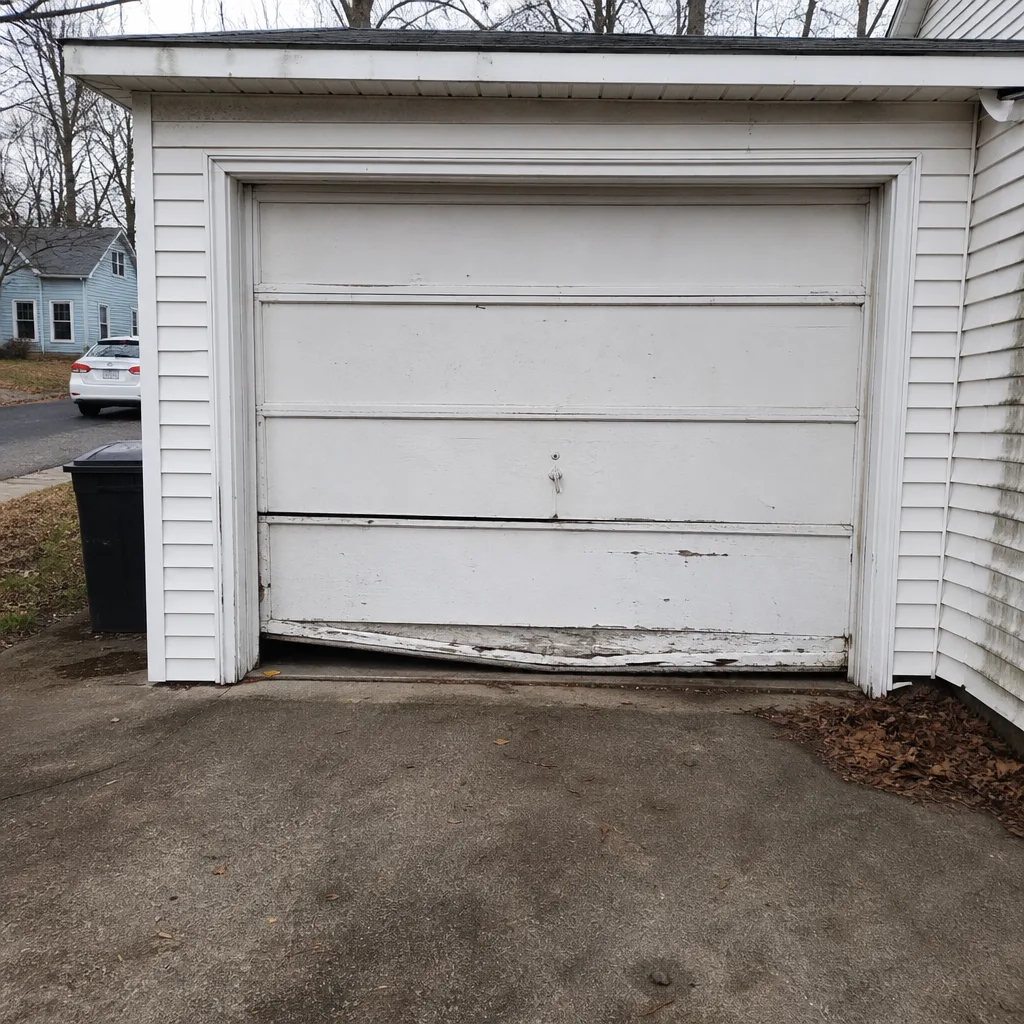 Before
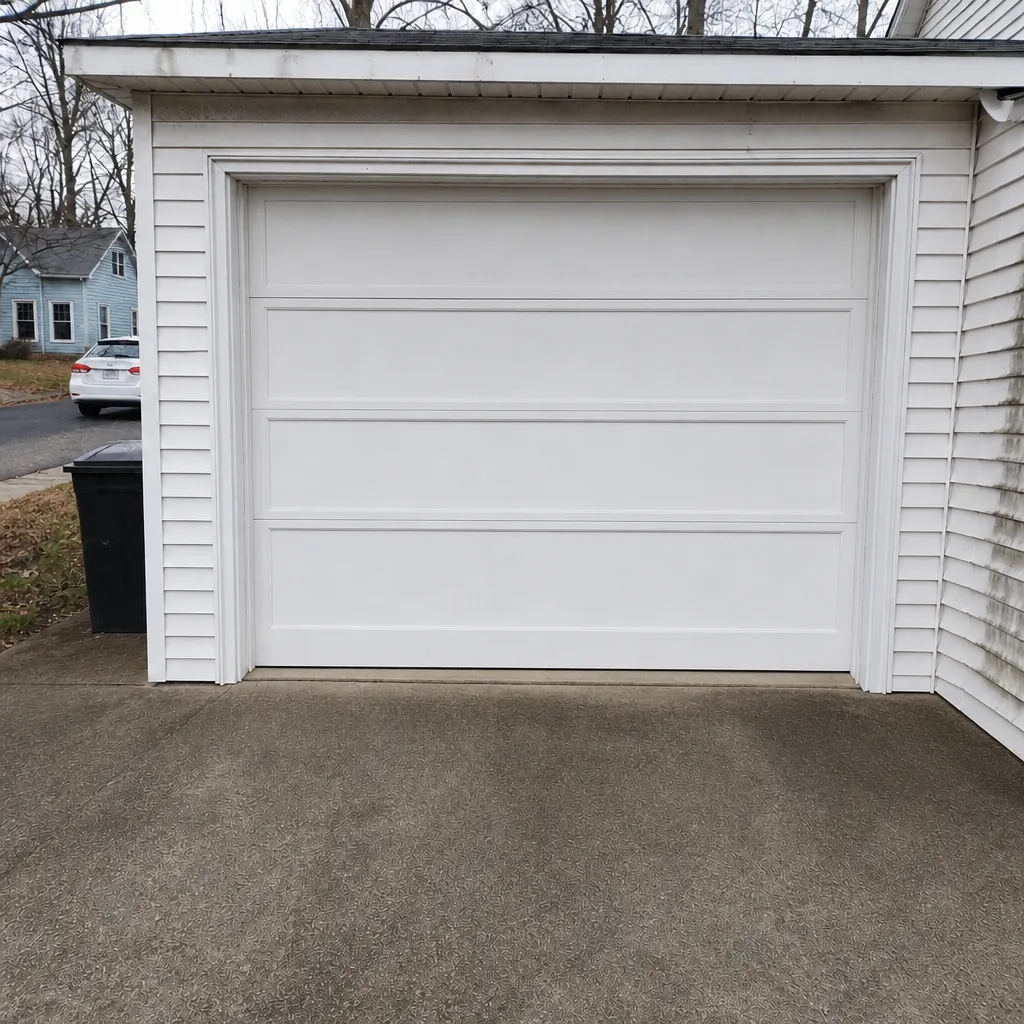 After
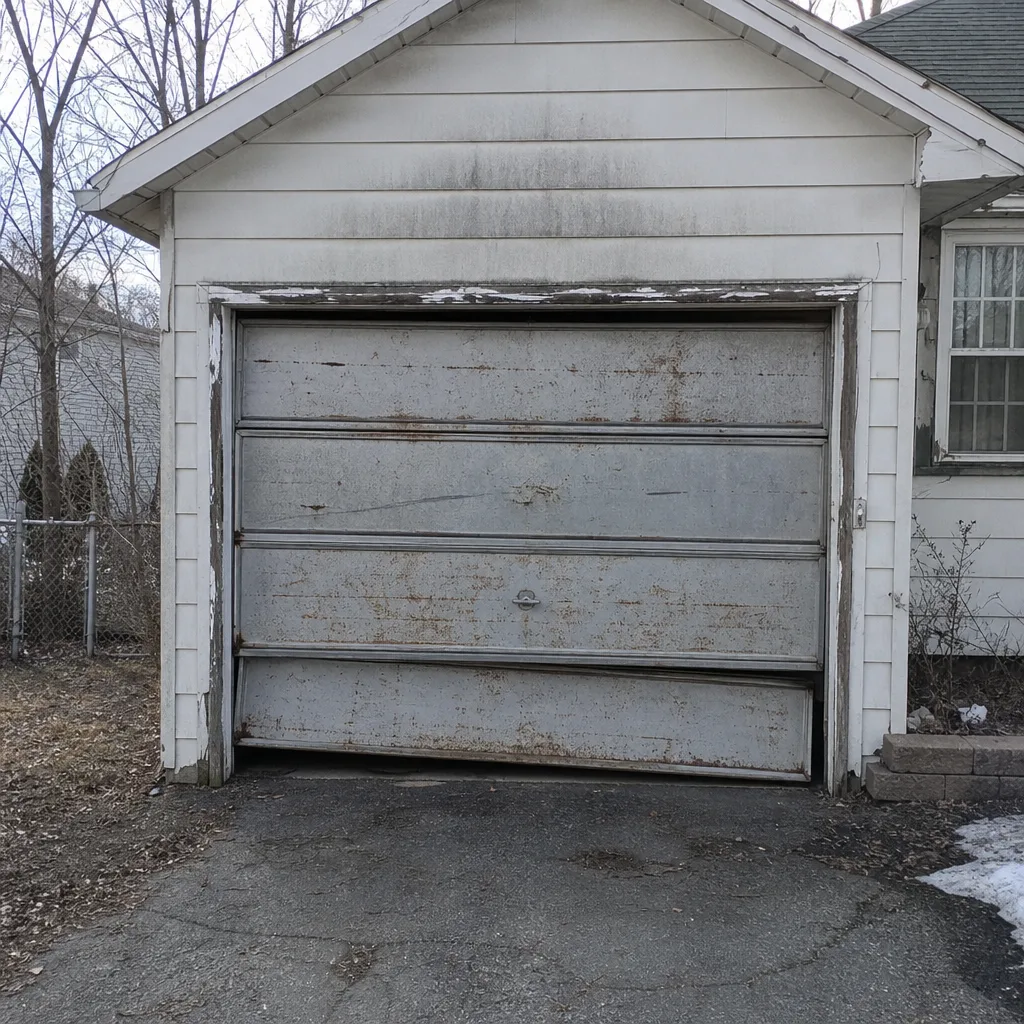 Before
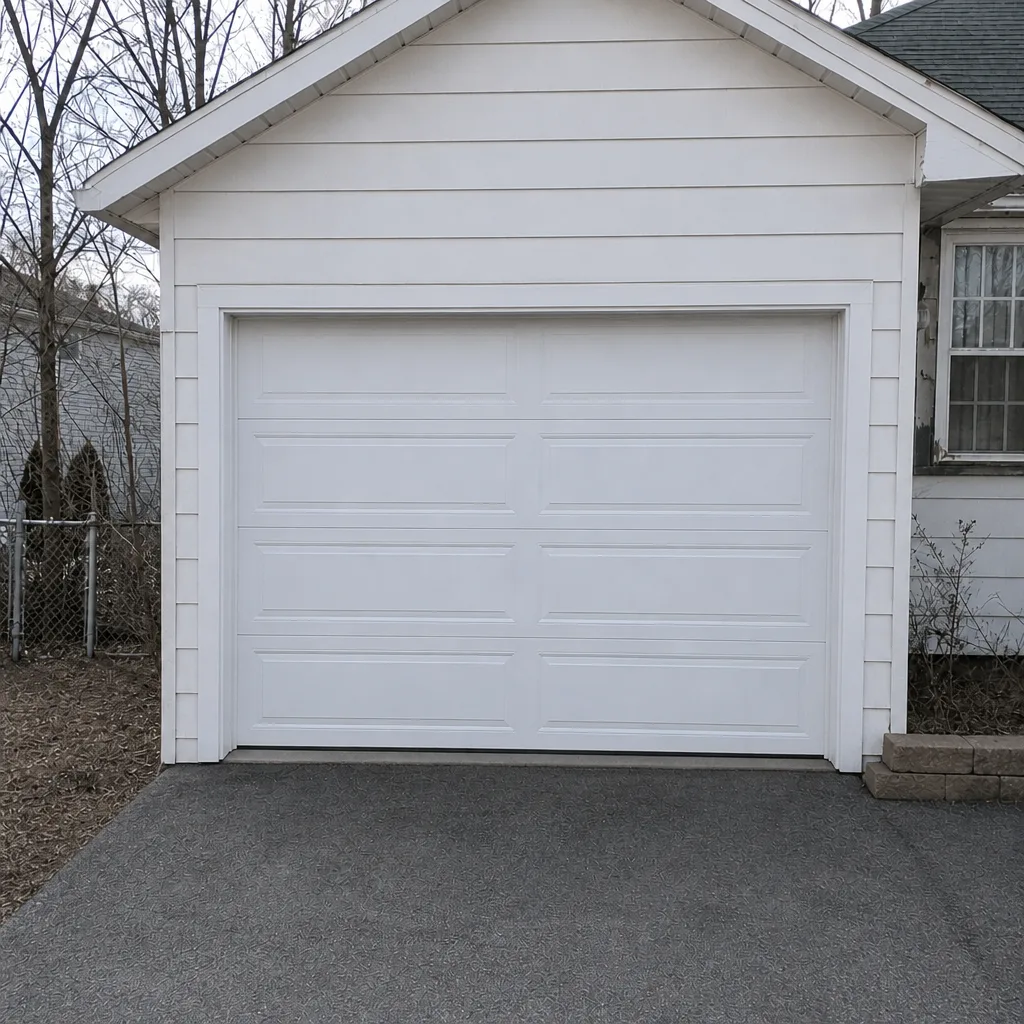 After
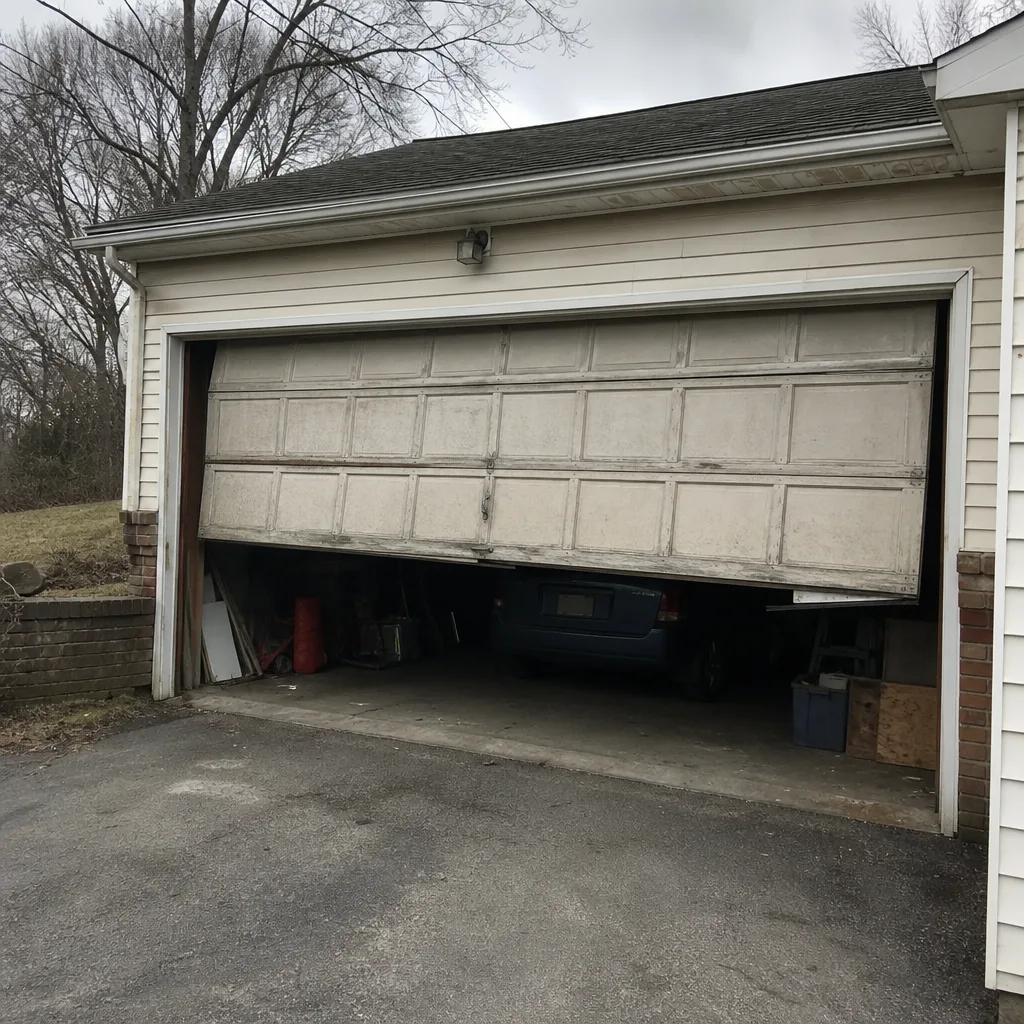 Before
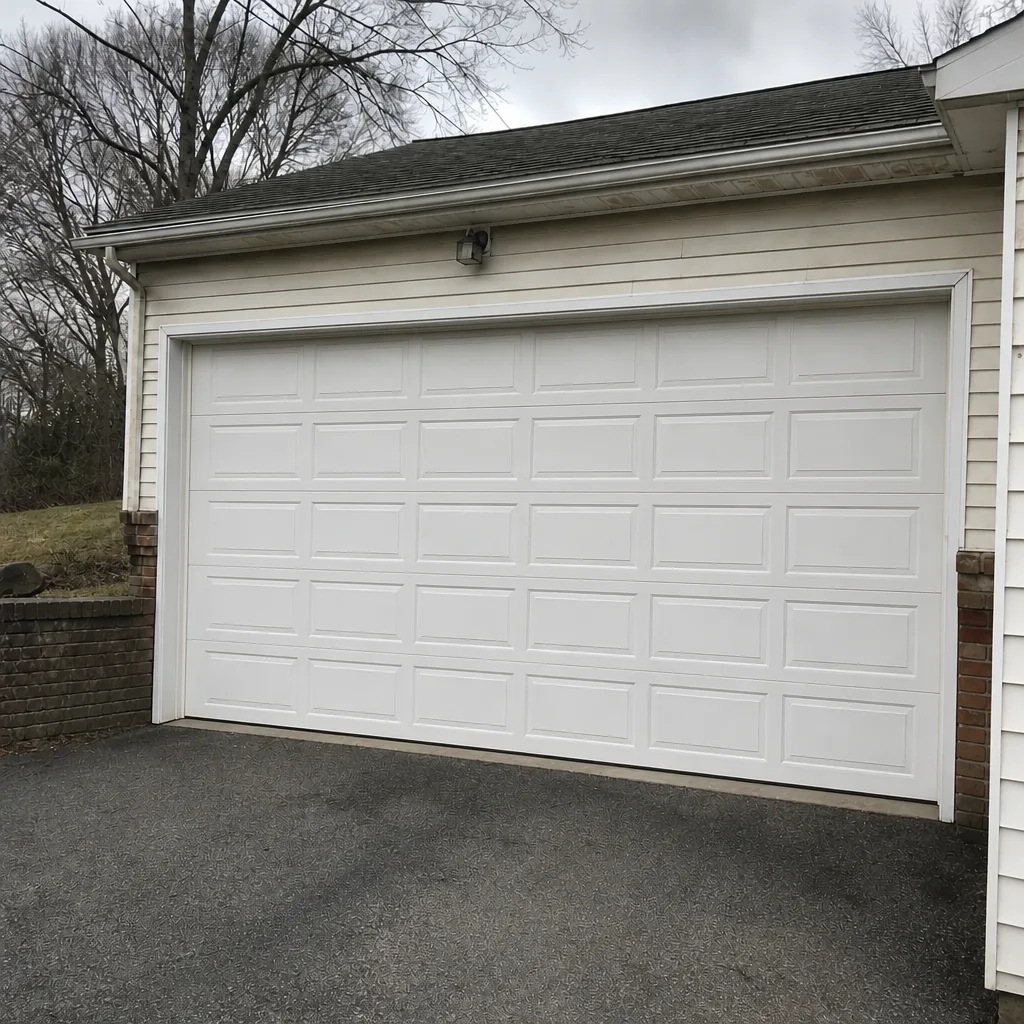 After
When to Call a Professional
Call a professional the moment a job crosses into stored-energy work or the door stops behaving predictably. That means a broken or stretched spring, a cable that’s off its drum or frayed, a door that’s crooked or binding, a track that won’t sit true, or any situation where the door won’t open or close and the security of your home is at stake. Emergency service is part of what we offer, and it covers exactly those situations. We’re open Sunday through Friday, 7am to 7pm, and closed Saturday. Torrington Garage Door Repair offers free estimates in Torrington. Call (844) 629-7893 and we’ll talk through what’s happening before anything is touched.
Frequently Asked Questions
No. Torsion and extension springs hold stored energy that releases instantly when the steel fails, and winding them requires specific tools and a specific sequence. The force is enough to cause permanent injury, and the spring stays loaded even with the door closed. This is one of the repairs we handle as a core service rather than sending out, and it’s the one where a professional call is the only safe answer. If a spring has broken, keep the door down and call (844) 629-7893.
Spring repair is priced per spring, and a matched pair is usually replaced together, so a pair costs more than a single spring. The written estimate sets the final price, and we quote it before any work starts so there’s no surprise on the invoice. Call (844) 629-7893 for an exact quote. Estimates are free.
No, we’re closed Saturday. We’re open Sunday through Friday, 7am to 7pm, so a door that fails at the end of the week can be booked for Sunday. For anything that can’t wait, call (844) 629-7893 and we’ll get you on the schedule.
Yes. Painting panels is cosmetic work with no stored tension involved. Remove the hardware, clean and scuff the surface, and use an exterior-grade paint in mild weather so it cures properly. Weatherstripping and sensor alignment are in the same safe bucket. Anything that requires releasing tension is not.
Often not. Most Connecticut policies commonly exclude damage from faulty workmanship or work the homeowner performed, so a bent panel or torn track from an amateur spring job may fall outside coverage. Read your own policy or call your agent before you start. The safer route is to leave spring work to a trained technician whose work is covered by their own insurance.
You can do it yourself, but the tool list and the two-person rule are real, and the alignment and force-limit tuning is where DIY installs most often go wrong. Many warranties are written around professional installation, so a self-installed unit can lose coverage if a failure traces back to the install. For installation and replacement we measure the opening and give you a written price instead of promising same-day service, because that work is ordered and scheduled.
The Bottom Line
The DIY vs professional question for garage doors isn’t about how handy you are. It’s about which component you’re touching. Painting, weatherstripping, sensor alignment, and lubrication are yours to handle, and doing them yourself keeps the door in good shape between service calls. Springs, cables, and any track under load are not. Those carry stored energy that releases without warning, and the mechanical explanation is the reason, not a disclaimer. In Torrington’s climate the springs work hard, so a professional inspection is cheap insurance against a failure. We’re a single-trade company, so every job is a garage door job, and we work on your brand. Call (844) 629-7893 for a free estimate and let’s look at what your door actually needs.
Written by the team at Torrington Garage Door Repair.