Last updated November 22, 2026
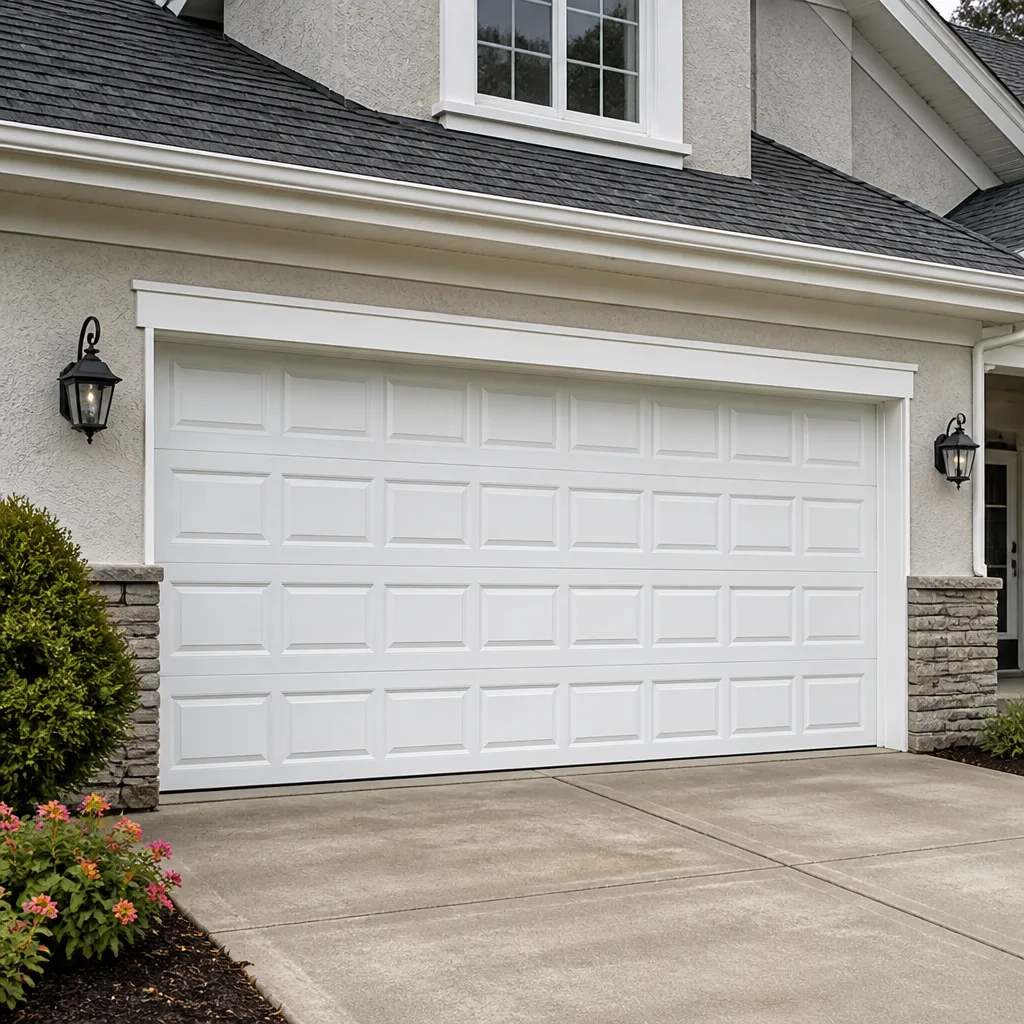 Raised-panel steel
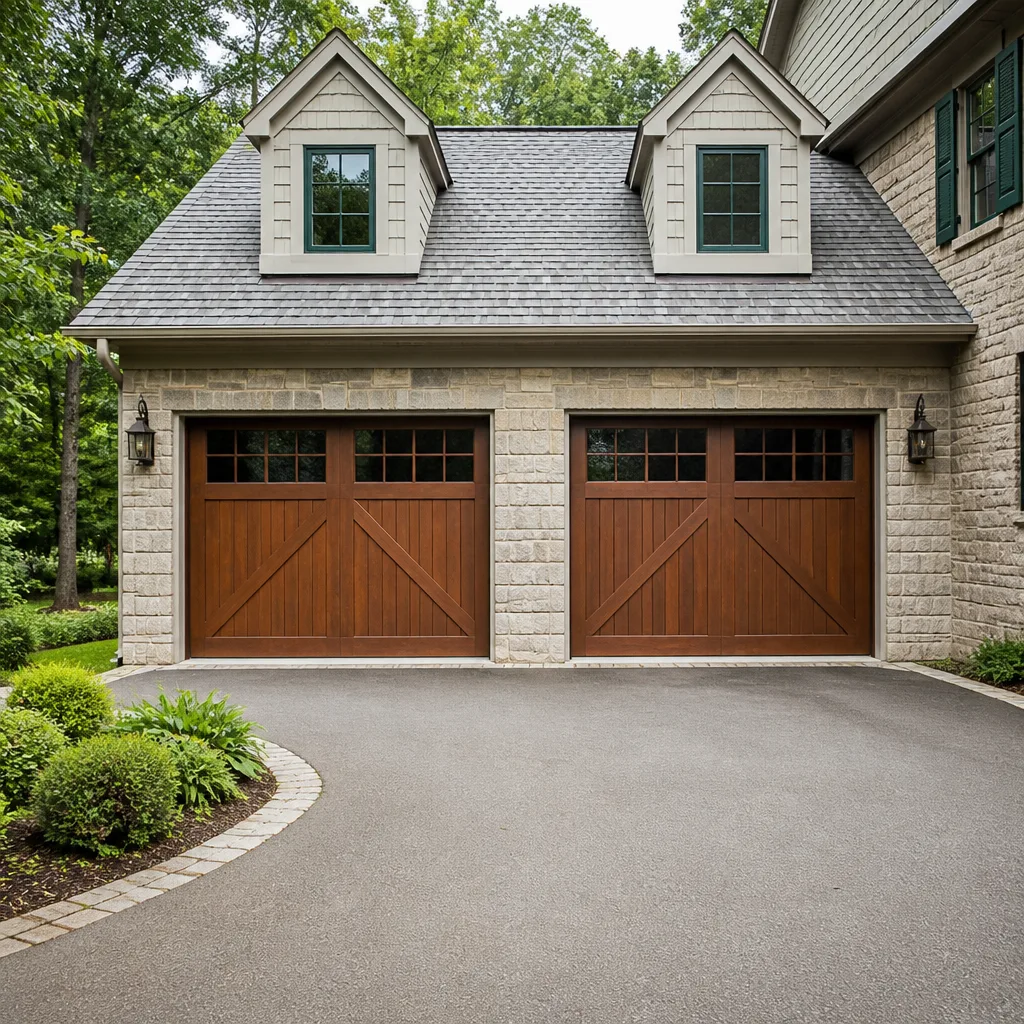 Carriage house
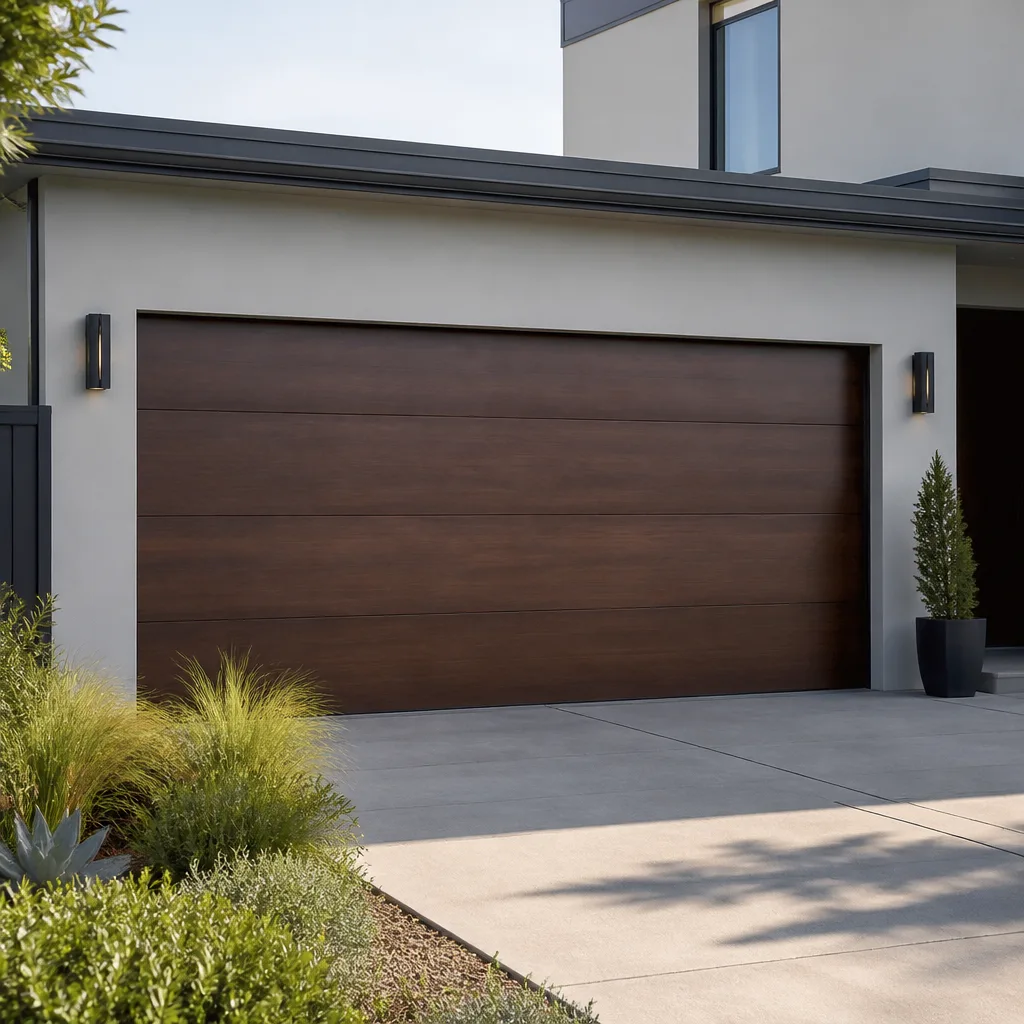 Modern flush
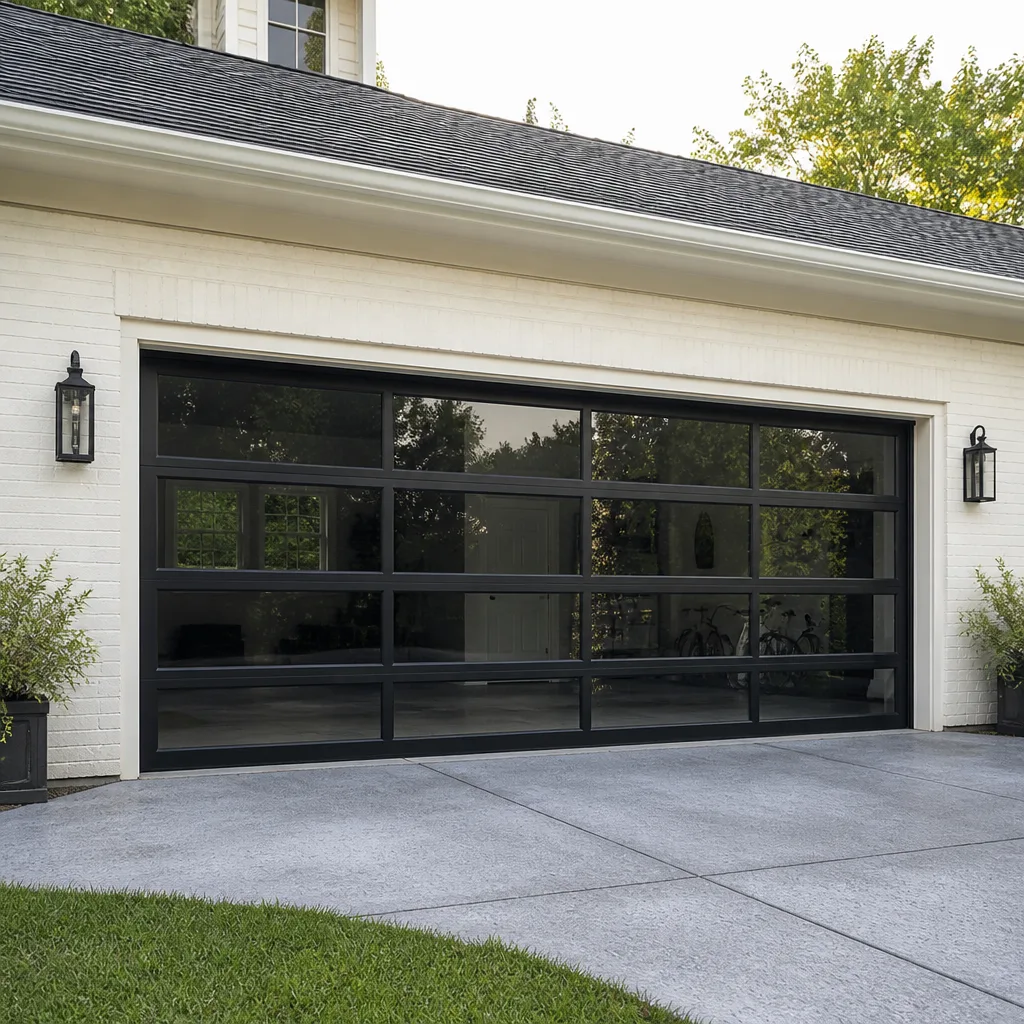 Full-view glass
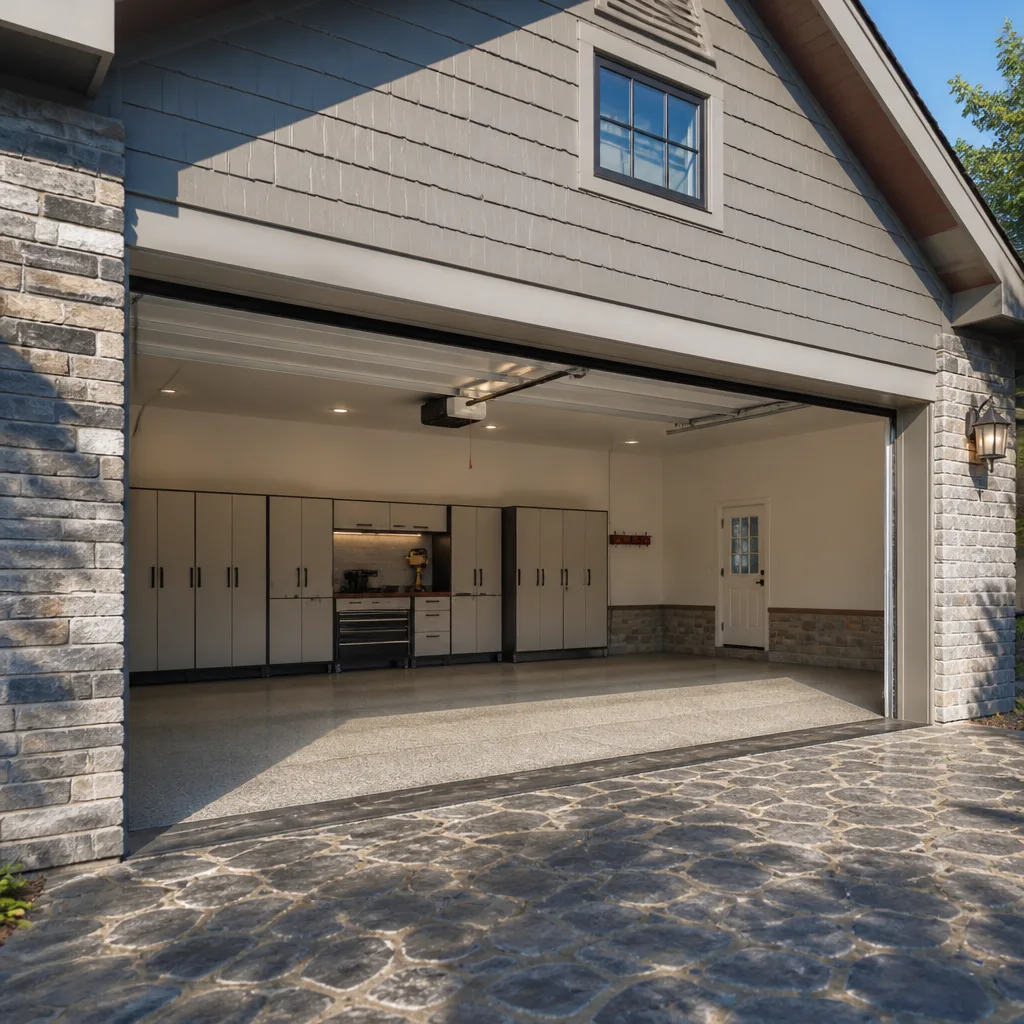 LiftMaster openers
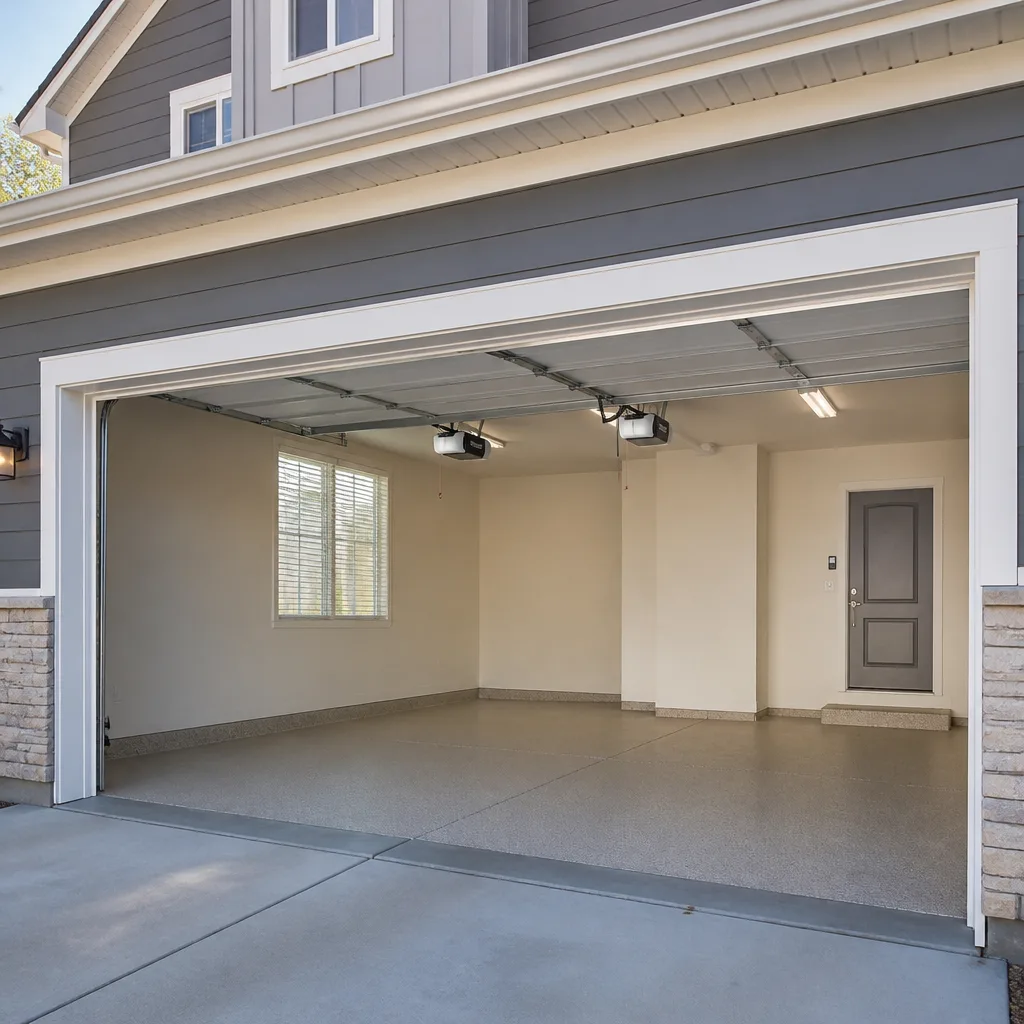 Chamberlain openers
Full 25-point door and opener safety check with every visit - springs, cables, rollers, tracks, and your LiftMaster or Chamberlain opener included
You get a price before we start. It does not change when the pro arrives.
Get your free estimateGarage Door Repair Maintenance Checklist for Torrington Homeowners
Every spring failure we get called out to follows the same script. For weeks beforehand the door made a sound the homeowner wrote off as “the door being old” – a twang, a creak, a pause halfway up. Then one morning the door stops, and a repair that could have been caught early turns into a same-day emergency. The fix isn’t more maintenance; it’s maintenance timed to what actually wears out garage doors in Torrington. This checklist is built around failure modes, not a generic task list. You’ll learn how to test your springs without touching them, where to lubricate and where not to, and how to log wear so nothing sneaks up on you.
Quick Answer
The core of a garage door maintenance checklist in Torrington is this: test the door balance once a season, lubricate the right points twice a year, inspect rollers and cables every few months, and tighten hardware on a set schedule. What matters more than frequency is timing your checks to the seasons – specifically the freeze-thaw cycles and cold snaps that stress Torrington’s door hardware hardest – and keeping a written log so you can catch wear at the point where it’s a cheap adjustment rather than an emergency call.
Styles & brands we work with
- Raised-panel steel
- Carriage house
- Modern flush
- Full-view glass
- LiftMaster openers
- Chamberlain openers
Table of Contents
- How to test spring tension safely (the door balance test)
- Lubrication: which points matter and which attract dirt
- Roller and cable inspection, and why cold changes the timeline
- A Torrington seasonal maintenance calendar
- How to log maintenance and spot interval-based wear
- Opener and safety sensor checks
- Why cold snaps and freeze-thaw cycles stress your door
- Common Mistakes to Avoid
How to test spring tension safely (the door balance test)
You can check your springs’ health without touching a spring, a cable, or anything under tension. The balance test tells you what the springs are actually doing by watching how the door behaves. Do this monthly and after any cold snap in Torrington.
- Close the door fully and disconnect the opener – usually by pulling the red release cord hanging from the opener rail. This puts the door on manual.
- Raise the door by hand to about waist height, then let go.
- A healthy door stays put, or drifts only slightly. A door that sinks to the floor or shoots upward has lost its balance.
- Raise it to the halfway point and check again. It should feel like it weighs a few pounds, not fifty.
- Reconnect the opener only once the door is back in a balanced position and the opener carriage is reengaged.
A door that drops is working against tired springs, which makes the opener labor every trip and will eventually burn it out. A door that won’t stay down is the opposite problem – too much tension, or a broken spring on one side of a torsion pair. Either way, the balance test gives you an early warning. What the balance test never involves is you reaching for the spring itself. Torsion springs and the cables under them hold lethal tension; adjusting or touching them is work for a trained technician. Our technicians have up to 12 years of experience, and spring work is the one repair we tell every Torrington homeowner never to attempt alone. If you want it handled properly, that’s what garage door spring repair is for.
Lubrication: which points matter and which attract dirt
Most homeowners over-lubricate their doors and under-lubricate the parts that matter. The rule of thumb: lubricate moving metal contact points, and keep lubricant away from anything that grips or runs on a track.
Lubricate these
- Hinges – a small drop on each hinge pivot, twice a year.
- Torsion spring coils – a light wipe of lubricant along the coil, never a spray. This limits friction that eats into the metal over time.
- Bearing plates and the opener rail – the points where metal turns against metal.
- Roller stems – the pin, not the wheel. A drop on the stem keeps the roller turning freely.
- Track sections where the door runs – a thin film only, wiped, not sprayed.
Never lubricate these
- The rollers’ wheels or the track face – lubricant here lets the rollers slide instead of roll, which is how doors hop and jam.
- Nylon rollers on a clean track – they’re designed to run dry. Introducing grease attracts grit that grinds the roller down faster.
- The opener’s chain or belt – these are usually pre-greased and adding lubricant collects debris.
Use a garage-door-specific lubricant, not WD-40 or cooking spray. In a Connecticut climate, a light silicone or white lithium lubricant keeps working through cold snaps without stiffening the way heavier grease can. Twice a year is enough – once as winter tightens its grip on Torrington and once as it eases. A door that starts squealing after you’ve lubricated it correctly usually points to a worn component rather than a lubrication problem, which is when it’s worth having a specialist look. If it’s the mechanism that’s acting up, that’s a job for garage door opener repair.
Roller and cable inspection, and why cold changes the timeline
Rollers and cables are the parts that fail without warning – and in Torrington, cold weather makes them fail faster. Here’s what to check and what to look for.
Roller inspection
Nylon rollers stiffen in cold weather. When a roller won’t turn freely, the door drags, the opener works harder, and the wheel can develop a flat spot. Get down and watch every roller as the door cycles: any wheel that doesn’t spin smoothly, wobbles on its stem, or shows a flat worn edge needs replacing. In a cold Torrington winter we recommend eyeballing rollers every couple of months rather than once a season, because a nylon roller that behaves in mild weather can seize the first hard freeze. Steel rollers are louder but less cold-sensitive; if you have them, the inspection interval matters less than the noise they make.
Cable inspection
Look for these patterns on both cables:
- Fraying or a frayed “birdcage” near the drum – strands unwinding is a soon-to-fail sign. Call it in.
- Kinks or a wave in the cable – indicates uneven spooling and a failing drum balance.
- Uneven tension between the two cables – one sagging while the other is taut means the door isn’t lifting evenly.
Surface rust, on the other hand, is usually cosmetic. A little discoloration on a cable in a Connecticut garage is normal and not a reason to worry. What separates cosmetic from imminent failure is whether the cable is damaged – frayed, kinked, or under wrong tension – not whether it’s discolored. Cables under tension are dangerous to touch; inspect with your eyes only. When a cable needs replacing, that’s professional work.
A Torrington seasonal maintenance calendar
Torrington’s seasons put different stresses on a garage door through the year, so the maintenance tasks should follow that pattern. Here’s how to break it up.
Spring
- Full balance test after the freeze-thaw cycle settles.
- Lubricate hinges, springs, bearings, and roller stems – a full pass after winter.
- Check and tighten every nut and bolt on the hinges and track brackets. Freeze-thaw vibrates them loose.
- Wash door panels and check for paint damage where winter grime sat.
Summer
- Inspect rollers after spring use – this is when warm weather shows you which ones have worn.
- Check the door’s weather seal along the bottom; warm weather is when seals crack and let water in.
- Test the reversal safety sensors (see the opener section below).
- Balance test again at midyear.
Fall
- Lubricate a second time, before the first freeze.
- Roller inspection goes to every other month from here through March.
- Clean out the tracks of grit and leaves before they freeze into place.
- Test the balance after your first real cold snap – spring tension can behave differently when metal contracts.
Winter
- Monthly balance tests. Cold is the test.
- Never force a frozen door up with the opener – if it’s frozen shut, clear the ice first.
- Listen for squeals and rattles that weren’t there last month; cold amplifies worn parts.
How to log maintenance and spot interval-based wear
The most overlooked tool in garage door maintenance is a notepad. A written log lets you see the trend, not just the moment. When you know your door ate a roller in November and another in February, the interval tells you something a single inspection can’t.
Keep a simple chart or spreadsheet with these columns:
- Date of the inspection or service.
- Task – balance test, lubrication, roller check, hardware tightening.
- Result – pass, or what needed attention.
- Part replaced, if any, with the brand and type (nylon vs. steel roller, for instance).
- Notes – noise, uneven movement, anything that felt different.
After a year you’ll have a picture of your door’s wear pattern. Rollers failing every six months might mean your track is slightly out of alignment. Springs that lose balance at the same time each year signal a load problem or a pair on the edge. And in Torrington, logs help separate weather-driven issues from mechanical ones – a door that only misbehaves after a cold snap isn’t the same as one that misbehaves all year. When your log shows the same repair coming back, that’s a signal to have the whole system checked rather than swapping the same part again. We work on Amarr, Wayne Dalton, Craftsman, and Raynor systems routinely, so the brand on your door isn’t a mystery to us.
Opener and safety sensor checks
Your opener does more than lift the door; it’s the first line of safety for anyone walking under it. Check it monthly with three simple tests.
The reversal test
With the door open, wave a broom handle or a piece of cardboard in the path of the safety sensors at the bottom of the track. The door should reverse immediately. If it doesn’t, the sensors need attention before you use the door again.
The force test
Close the door by hand onto a roll of paper towels or a small block. The door should reverse on contact, not press down. If the door pushes the object flat, the opener’s force limit needs adjusting – and on most LiftMaster, Chamberlain, and Genie units that’s a setting on the motor head. Never let anyone stand in the path to “test” the force manually; use an object.
The sensor alignment check
Look at the small lights on your two safety sensors. A steady light on each means they’re aligned; a blinking or dark light means they’re misaligned or dirty. Wipe the lenses and nudge them back into line. A door that won’t close “for no reason” is usually a misaligned sensor, not a broken opener.
Also check the opener’s rail, chain or belt for slack, listen for grinding or humming, and test the remote and wall switch. If the opener hums but doesn’t lift, or the door reverses at the same spot every time, the opener is telling you something needs professional eyes – which is where garage door opener repair comes in.
Why cold snaps and freeze-thaw cycles stress your door
Torrington’s winters aren’t just cold – they’re variable, and it’s the swings that do the damage. Every freeze-thaw cycle changes what the door’s hardware is doing, and that change is cumulative.
When the temperature drops, metal contracts and the tension in your springs shifts. A door that was perfectly balanced in October can feel heavy in January. Nylon rollers lose their flexibility and stiffen, so a roller that turns fine in fall may seize in a hard freeze. The grease on your hinges thickens, adding resistance the opener has to fight. Then a warm day comes, everything expands back, and the cycle repeats. Over a season, that flexing works loose screws and stretches cables.
The practical result for a Torrington homeowner: maintenance intervals should tighten as winter approaches. Lubricate before the first freeze so the moving parts are protected when they’re stiffest. Inspect rollers every other month through the cold season. And do a balance test in the first real cold week – not to fix anything, but to see what the cold reveals. If your door misbehaves in January and behaves in July, the problem is load and wear, and it’s worth a professional check before a spring goes. Our garage door repair service covers the full door system, panels, cables, tracks and all, so a seasonal problem gets looked at as a whole rather than patched.
- Seasonal check 1: balance test monthly through winter, quarterly otherwise.
- Seasonal check 2: lubrication twice yearly – fall and spring in Torrington.
- Seasonal check 3: roller inspection every other month in cold weather.
- Seasonal check 4: hardware tightening once a year, after the freeze-thaw cycle.
- Seasonal check 5: cable and sensor check alongside every roller inspection.
Common Mistakes to Avoid
- Lubricating the rollers instead of the stems. Grease on the wheel or track makes the door slide and hop. It’s the number one cause of jamming we see in Torrington.
- Skipping the balance test because the door “works.” A working door can hide failing springs for weeks. The balance test is the only safe way to catch it early.
- Forcing a frozen door with the opener. If the door is sealed to the floor by ice, the opener will strain the springs and cables. Clear the ice first, every time.
- Relying on a visual check of the spring. Springs look fine right up until they don’t. Never touch, adjust, or wind a spring yourself; test load with the balance test and call in a pro for anything else.
- Ignoring a blinking safety sensor light. A door that closes on an object, even once, is a safety hazard. Fix the sensor before the next cycle.
- Replacing the same worn part over and over without a log. If the same roller keeps failing, the problem is the track or alignment, not the roller.
- Letting a small rattle go until spring. In Torrington winters, cold amplifies a loose bolt into a larger repair within weeks. Tighten what you can see, early.
See the difference
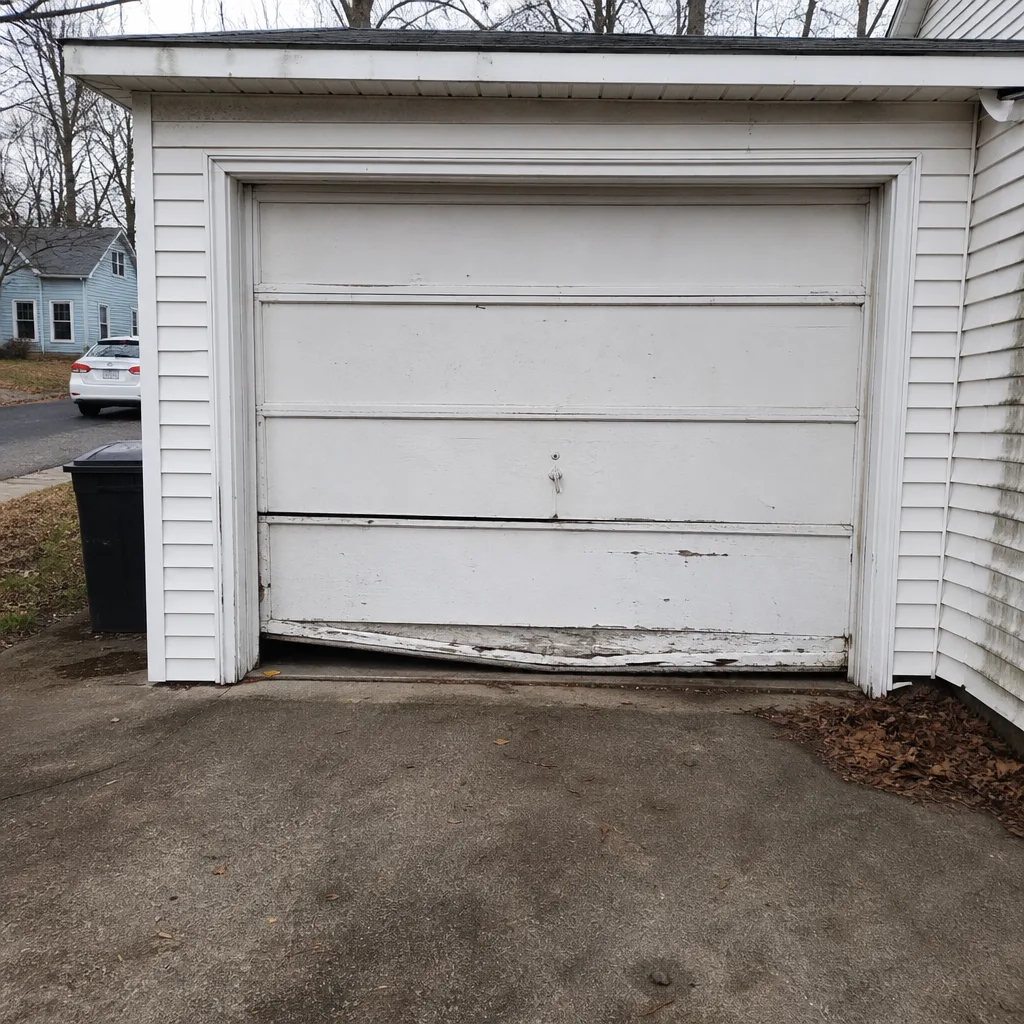 Before
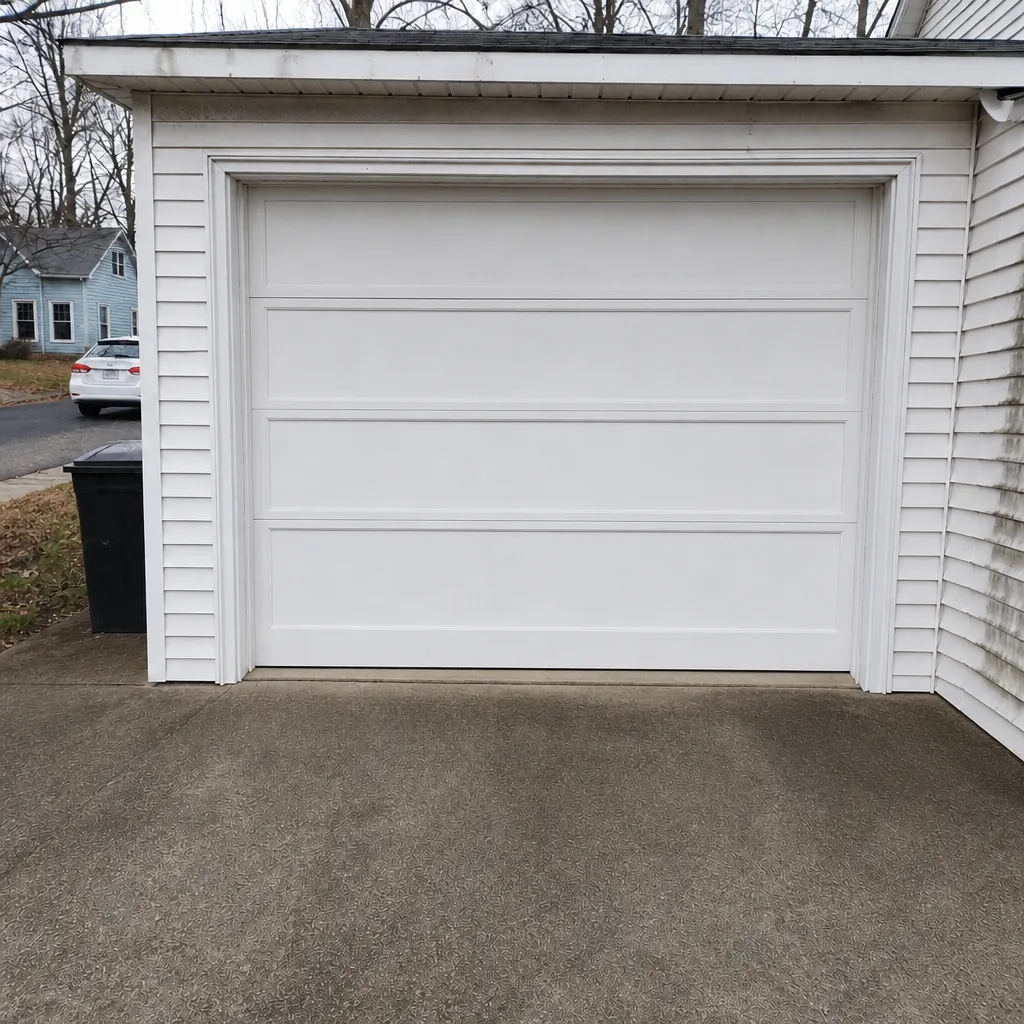 After
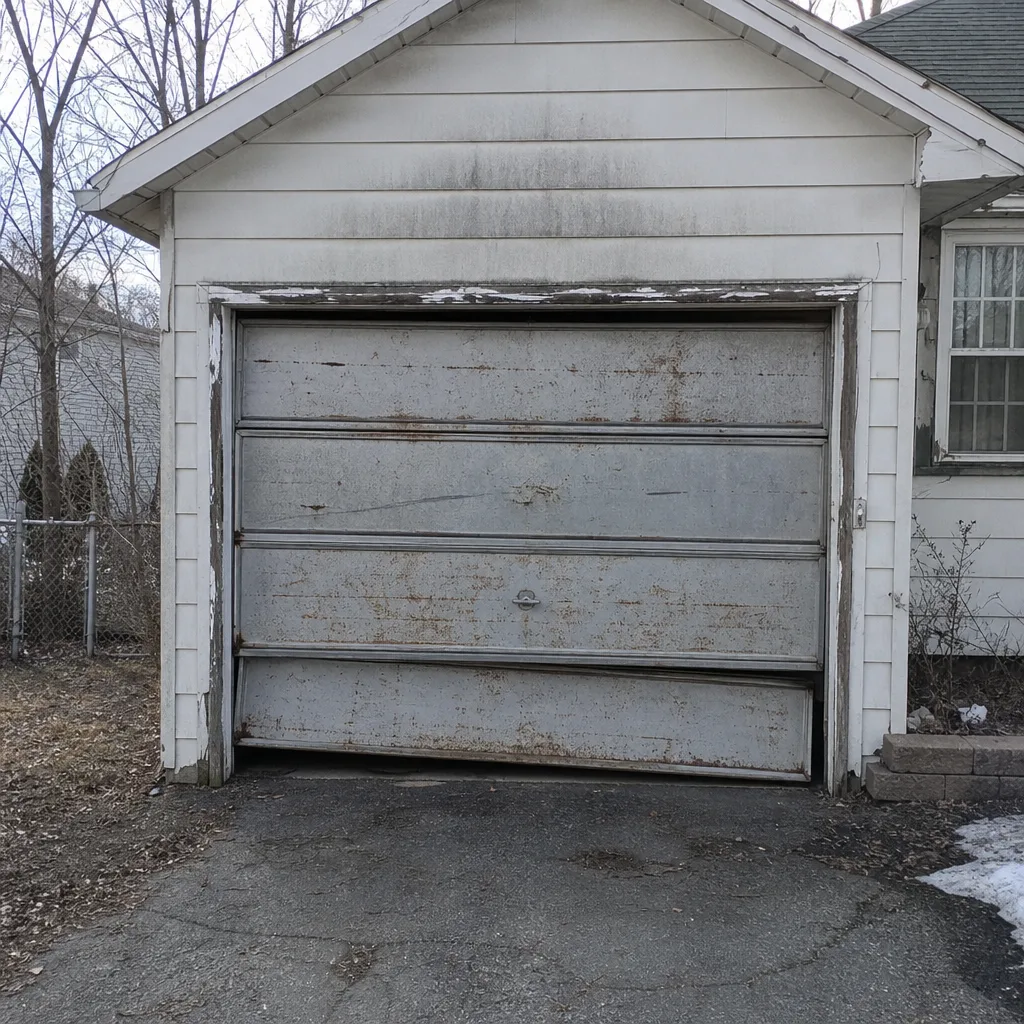 Before
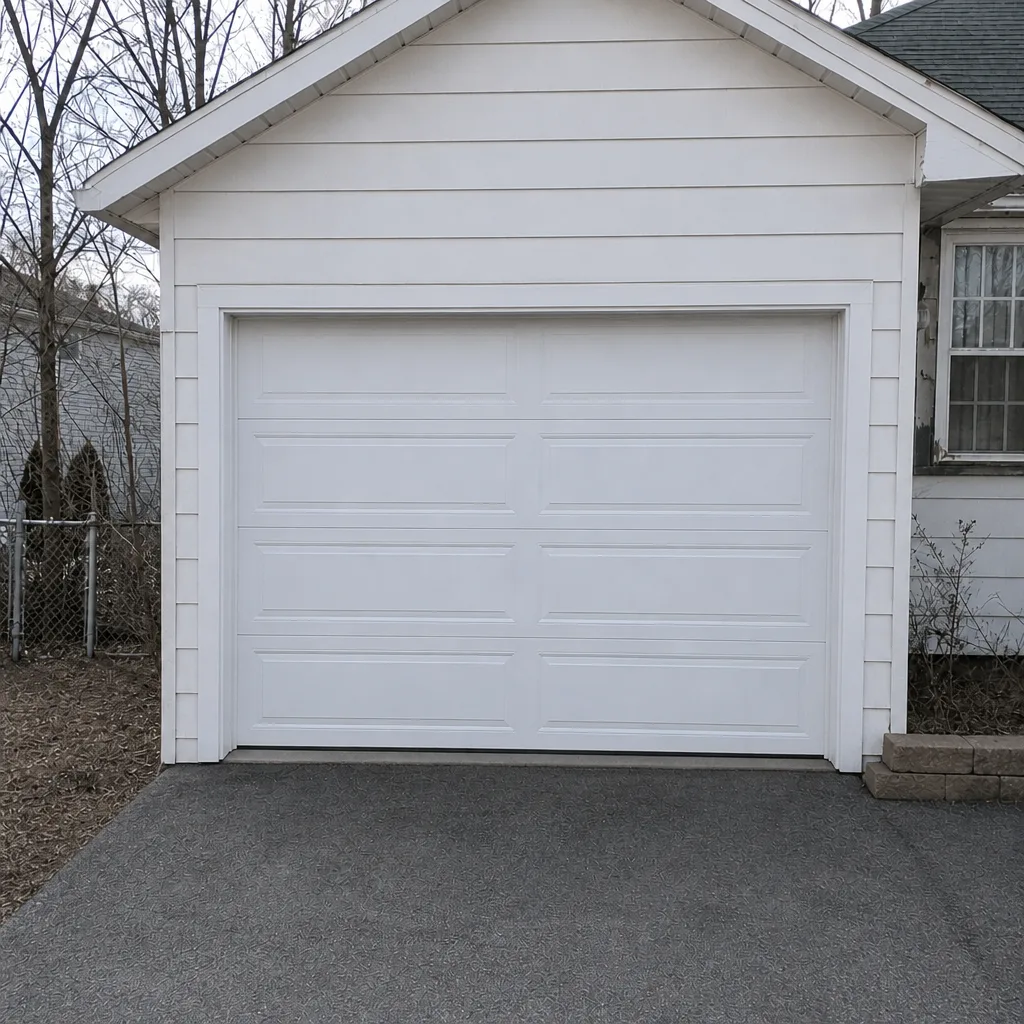 After
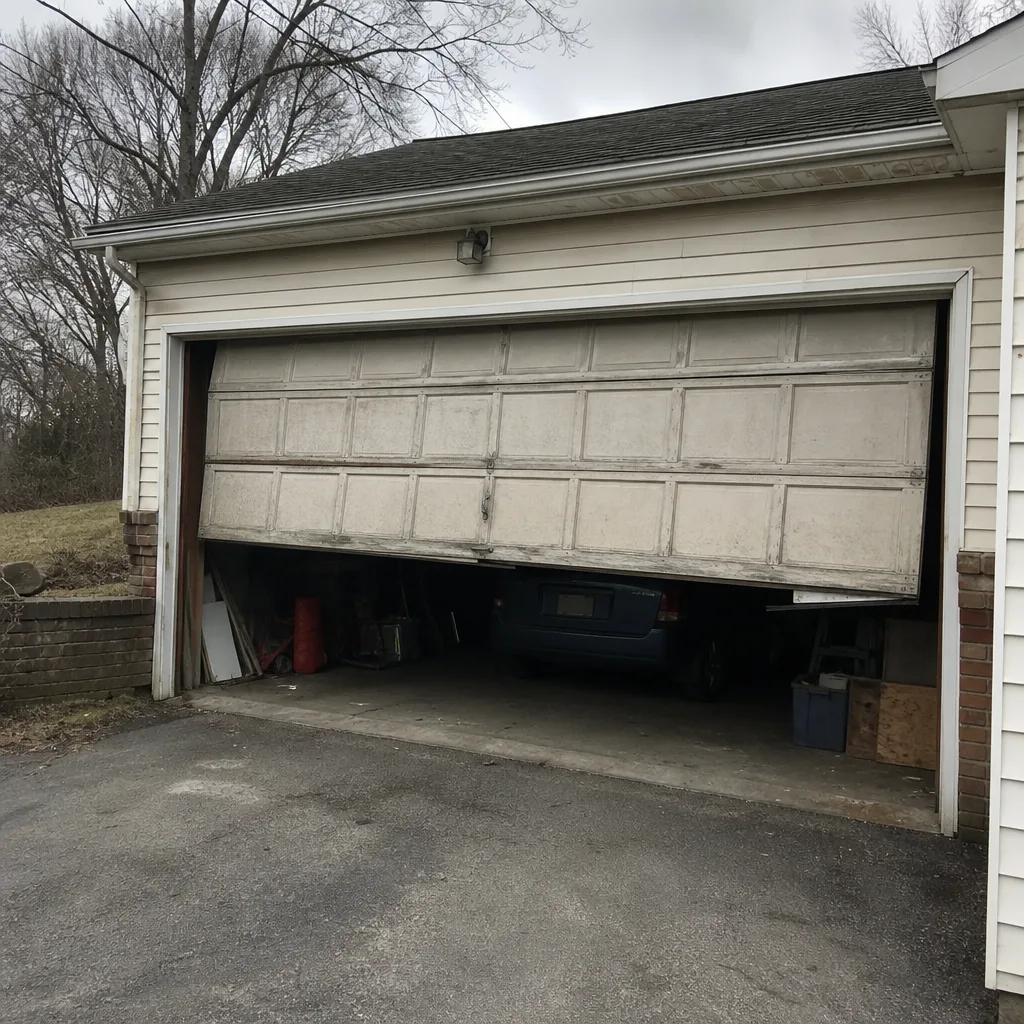 Before
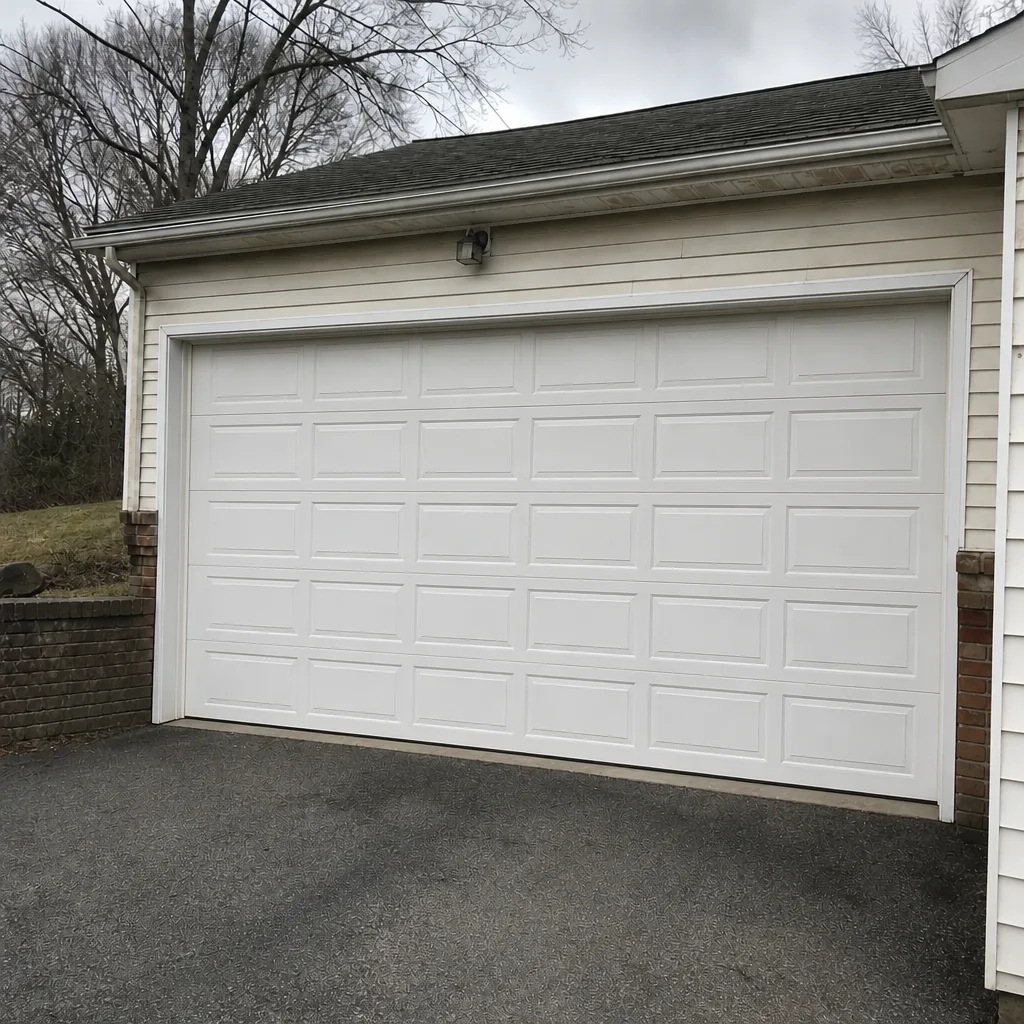 After
When to Call a Professional
Some work is fine for a homeowner – lubrication, tightening, balance tests, sensor alignment. But call a professional when a cable is frayed or kinked, when a door fails the balance test, when the opener hums without lifting, when a spring makes a loud bang, or when a door won’t close and you can’t find a sensor problem. Any work on the spring itself is always professional work. Torrington Garage Door Repair offers free estimates in Torrington – call (844) 629-7893. Our technicians have up to 12 years of experience, and we handle the entire door and opener system under one call, from LiftMaster openers to Amarr doors.
Frequently Asked Questions
Once a month through winter and once a season in milder months. The balance test is the safest way to tell whether your springs are doing their job – do it whenever you hear a new noise or after a hard cold snap, and never try to check spring tension by touching the spring. Call (844) 629-7893 for a free estimate if the test fails.
Twice a year is right for a Torrington door – once in fall before the first freeze and once in spring after the thaw. Lubricate hinges, springs, bearings, and roller stems, and keep lubricant off the roller wheels and track surfaces. Call (844) 629-7893 if you’re unsure which parts need it.
No. Torsion springs and cables hold lethal tension, and adjusting them is a job for a trained technician. The balance test is the only spring check you should do on your own. For everything else, call (844) 629-7893 – estimates are free.
Metal contracts in the cold, shifting spring tension, and nylon rollers stiffen, adding drag the opener has to overcome. Thickened lubricant adds more resistance, and freeze-thaw cycles work hardware loose. If your door struggles every winter, it’s worth a professional check before spring. Call (844) 629-7893 for a free estimate.
No. We quote and agree the price before any work starts, and the written estimate sets the final price. If the inspection reveals something the estimate didn’t cover, we tell you first and you decide. Call (844) 629-7893 for a free estimate.
The local pro we connect you with is licensed and insured as their state requires. We also work on common brands like LiftMaster, Chamberlain, Genie, Clopay, Amarr, Wayne Dalton, Craftsman, and Raynor, so your system isn’t a mystery. Call (844) 629-7893 to book a free estimate.
The Bottom Line
A garage door maintenance checklist works when it’s built around failure modes and Torrington’s seasons, not just tasks. Test your door’s balance monthly through winter, lubricate the right points twice a year, inspect rollers and cables more often in the cold, and keep a written log so you spot patterns before they become emergencies. The two big rules: never touch the springs, and never ignore a door that struggles. Everything else is a small, timed task that protects a part you’d otherwise replace in a hurry. Our technicians have up to 12 years of experience, and we cover the whole system, door and opener, under one call.
If your door is telling you something through the balance test, the noise, or the cold-weather struggle, don’t wait for it to stop entirely. Call (844) 629-7893 for a free estimate from Torrington Garage Door Repair. We’ll check the door and the opener together, quote the work before we start, and tell you honestly what needs doing now versus what can wait. That’s what a dedicated garage door specialist is here for in Torrington. One call covers the door and the opener.
Written by the team at Torrington Garage Door Repair.