Last updated November 22, 2026
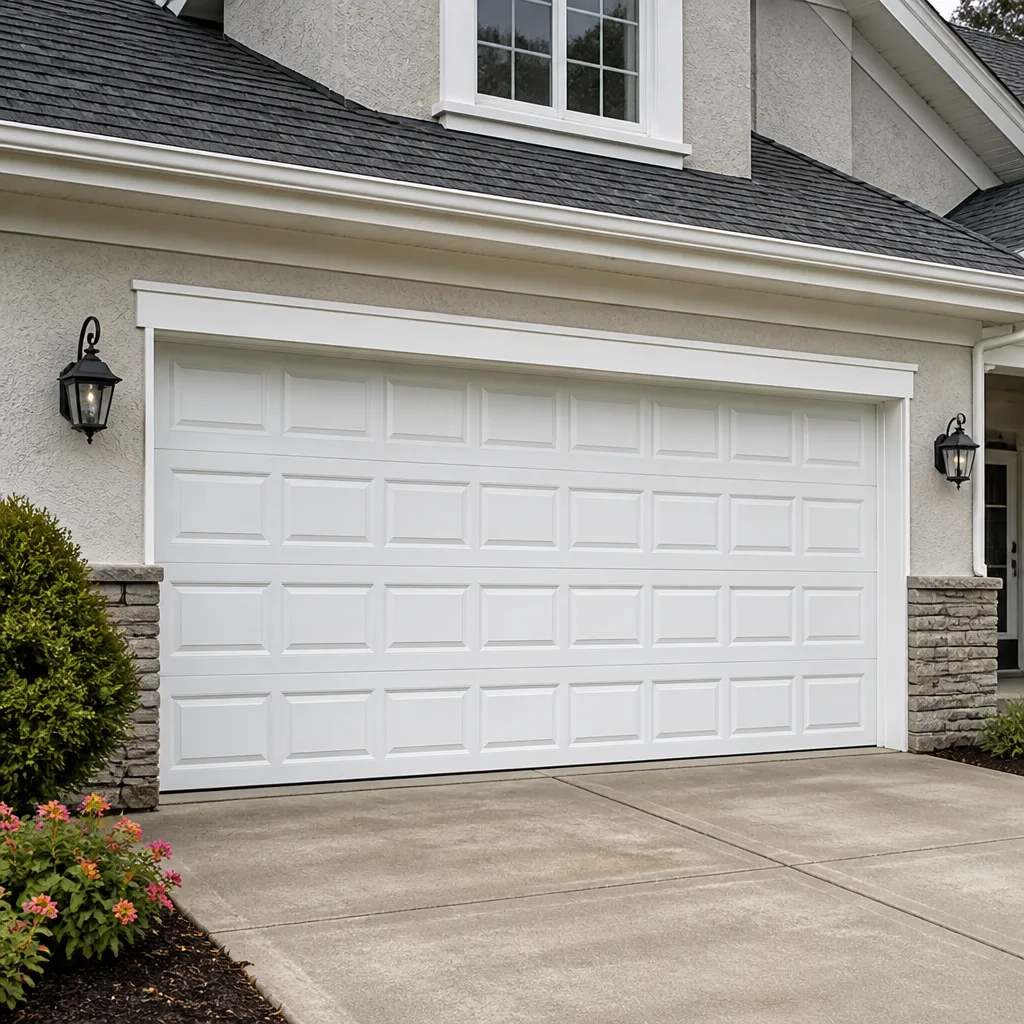 Raised-panel steel
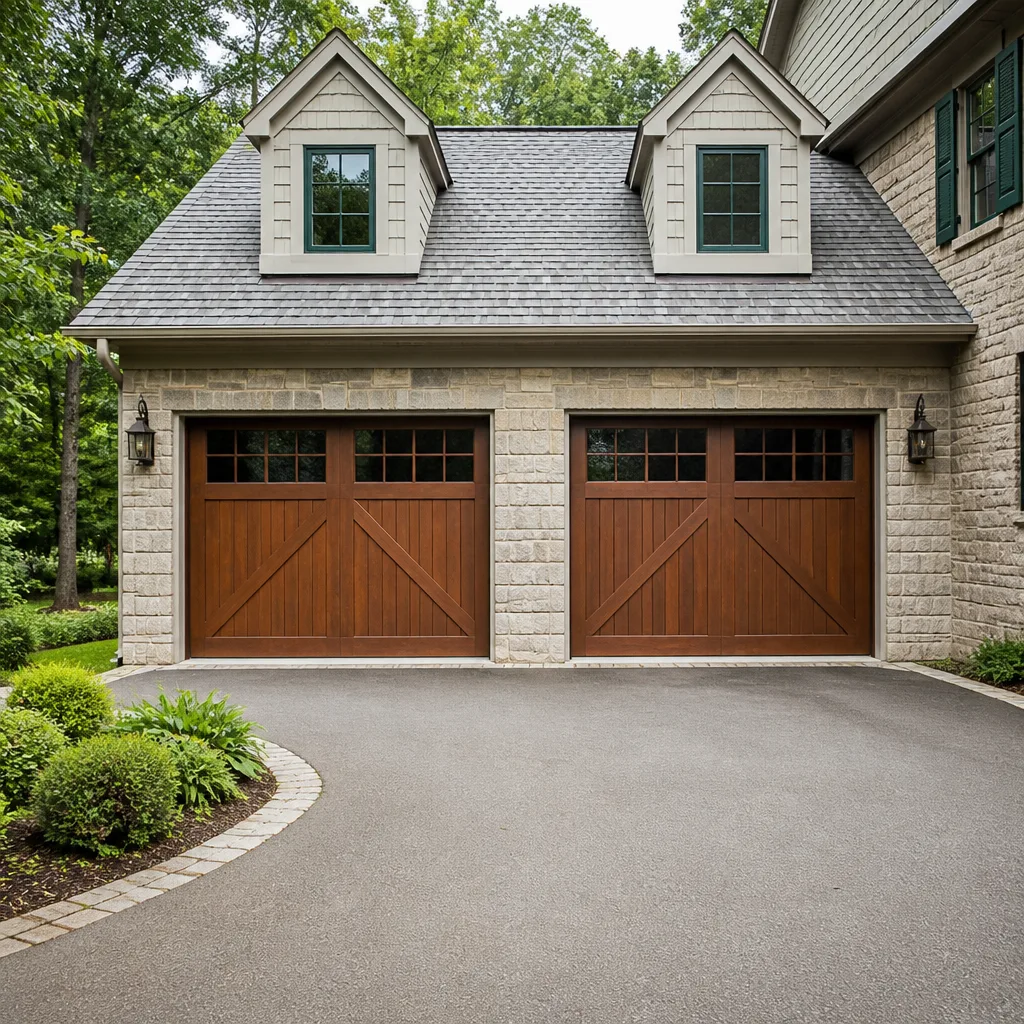 Carriage house
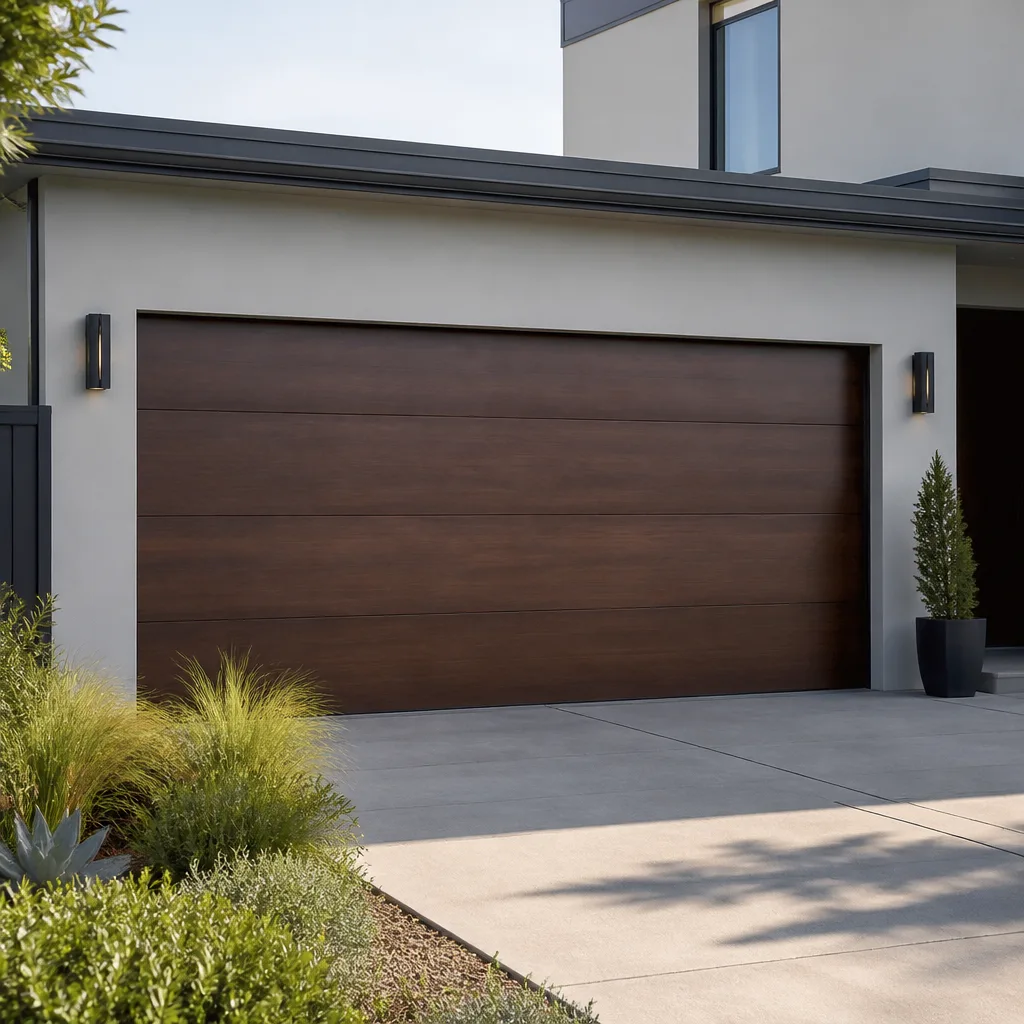 Modern flush
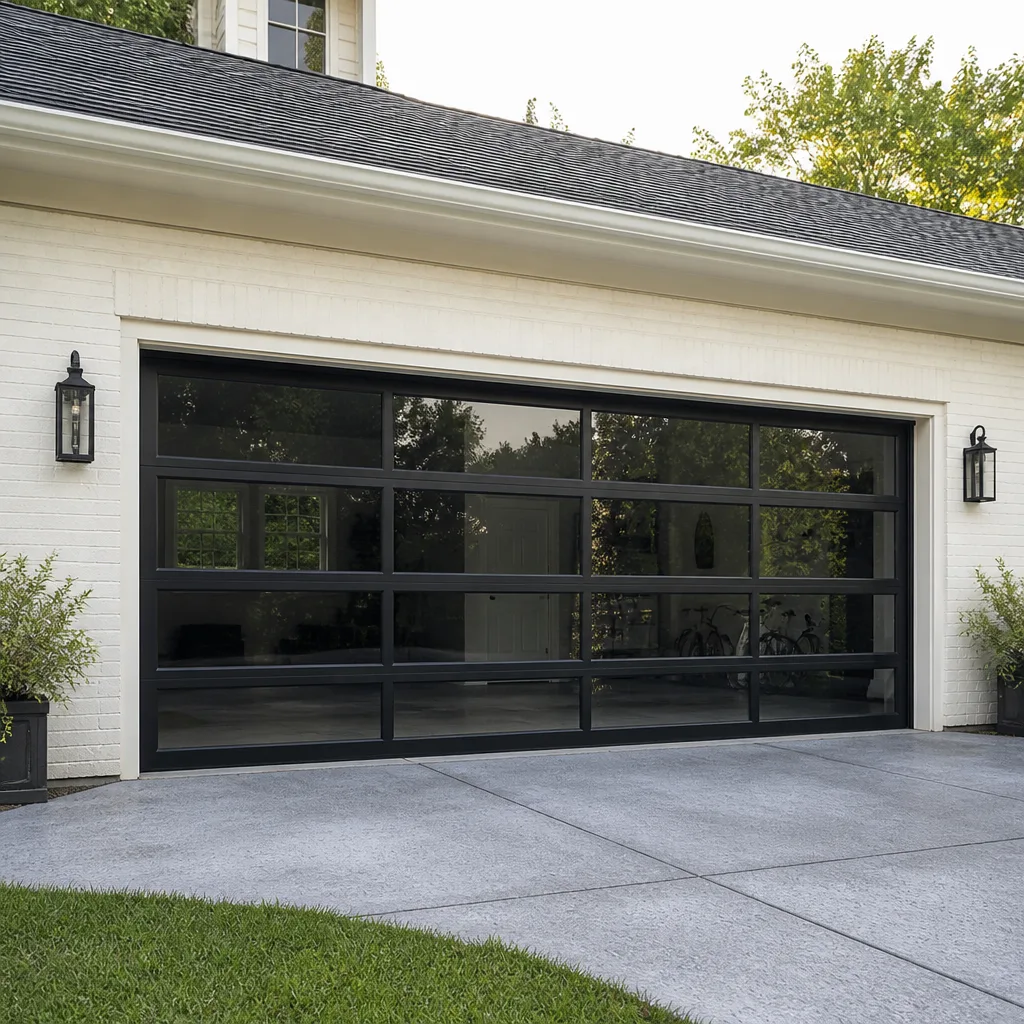 Full-view glass
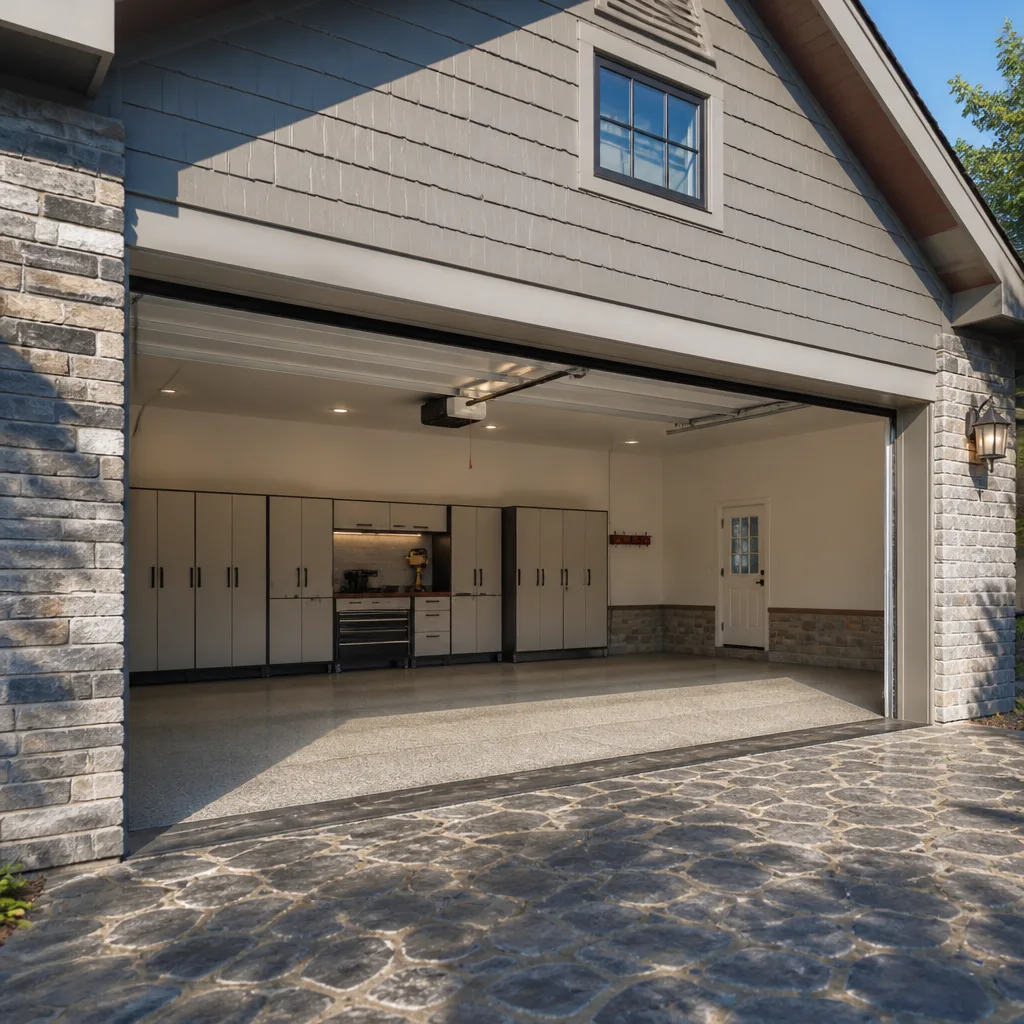 LiftMaster openers
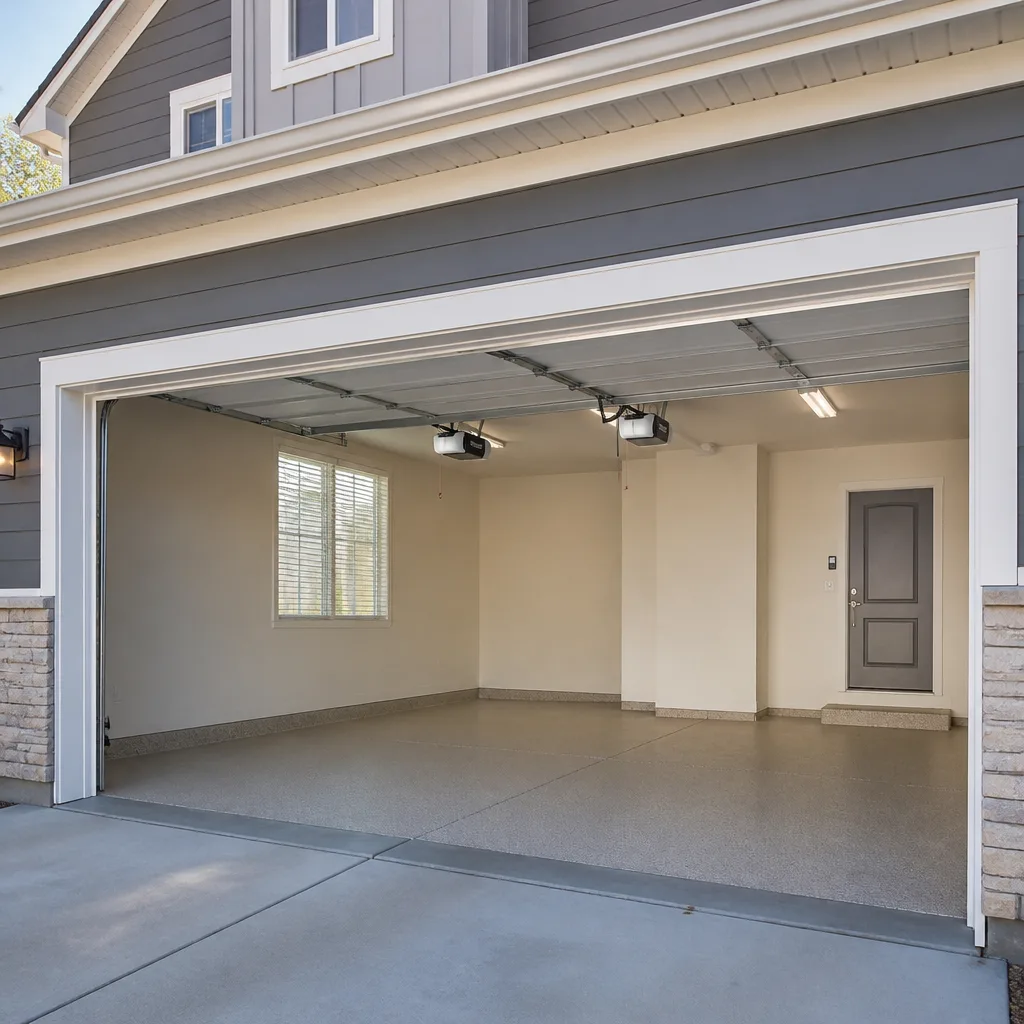 Chamberlain openers
Full 25-point door and opener safety check with every visit - springs, cables, rollers, tracks, and your LiftMaster or Chamberlain opener included
You get a price before we start. It does not change when the pro arrives.
Get your free estimateGarage Door Warning Signs: A Torrington Homeowner’s Reference Guide
A garage door that takes two seconds longer to open than it did six months ago is telling you something specific, and it isn’t “it’s getting old.” Garage doors don’t fail overnight. They degrade in a predictable order, and each sound, stutter, or sag points to a particular component working harder than it should. Most homeowners wait for a full breakdown because they can’t tell a cosmetic problem from a dangerous one. This guide gives you the diagnostic vocabulary to know the difference before you call anyone, whether you live near downtown Torrington or out toward Burrville. You’ll learn to read sound, movement, opener codes, and the one balance test that reveals spring wear before it becomes a snapped spring at seven in the morning.
Quick Answer
The most reliable early warning signs of garage door trouble in Torrington are a grinding, squealing, popping, or rattling sound during travel; jerky, slow, or reversing movement; and visual cues like a cable unwinding from its drum or a door that sits crooked. A flashing opener light is usually sending a diagnostic code, not just blinking randomly. The single most important check is the manual balance test: disconnect the opener and lift the door by hand. If it won’t hold its position or feels dangerously heavy, the springs are worn and need professional attention.
Styles & brands we work with
- Raised-panel steel
- Carriage house
- Modern flush
- Full-view glass
- LiftMaster openers
- Chamberlain openers
Table of Contents
- What Your Door’s Sound Is Telling You
- Movement-Based Diagnosis: Jerky, Slow, and Reversing Doors
- Visual Signs: What’s Urgent and What’s Cosmetic
- Reading Opener Diagnostic Codes: LiftMaster and Chamberlain
- The Manual Balance Test You Should Never Skip
- Why Torrington Weather Accelerates Wear
- Common Mistakes to Avoid
- When to Call a Professional
What Your Door’s Sound Is Telling You
Sound is the first channel a failing door uses, and it’s the most ignored. Homeowners learn to tune out a squeak the same way they tune out a rattling dishwasher. But each distinct sound implicates a different component, and knowing which one narrows the diagnosis before a technician ever arrives. In our experience, the noise category tells you more than the volume does. A loud rattle from a door that still opens fine is often less serious than a quiet pop that happened once.
Here’s how we break down the four sounds we hear most often on Torrington garage doors:
- Grinding. A gravelly, metal-on-metal grind during travel usually points to worn or dry rollers, a roller that’s seized in its hinge, or a track that’s out of alignment. It can also come from a torsion spring slipping, though that tends to sound sharper. Grinding rarely fixes itself and tends to spread damage to the tracks if you keep running the door.
- Squealing. A high-pitched squeal is almost always a lubrication and friction issue: dry rollers, dry hinges, or a torsion shaft that needs grease. It’s the least urgent of the four and the cheapest to address, but left alone it accelerates wear on everything it touches.
- Popping. A sharp pop, especially one that happens at a specific point in the travel, often signals a loose or worn torsion spring, a cable jumping its drum, or a hinge that’s come loose. A single loud pop followed by the door refusing to operate is a spring-failure signature, and you should stop operating the door and call for garage door spring repair.
- Rattling. A loose rattle is usually hardware: bolts backing out, hinge plates loosening, or panels that have shifted. It’s cosmetic-adjacent but easy to fix and worth catching before a loose bolt damages a track.
If you can’t pinpoint the sound, try to describe when it happens: at the start of travel, at a specific height, or all the way through. That timing is a diagnostic clue. A noise that shows up at the same height every time points to a mechanical conflict in the track or a bad spring winding. A noise that’s constant points to general wear.
Movement-Based Diagnosis: Jerky, Slow, and Reversing Doors
How a door moves is the second diagnostic channel, and it’s where a lot of homeowners misread the problem. A jerky door isn’t always a bad opener, and a slow door isn’t always a dying motor. Movement problems fall into three patterns, and each points somewhere specific. When we take a call for garage door repair in Torrington, the movement description is often what tells us what to bring.
Jerky or stuttering travel
A door that lurches, catches, or stutters its way up is usually fighting a track or roller problem. Bent track, a roller that’s jumped its channel, or uneven spring tension will all cause a jerky rise. If the jerk is consistent at one height, suspect the track at that point. If it’s random, suspect rollers or spring balance.
Slow travel
If the door opens slower than it used to but still runs smoothly, the likely culprit is the opener itself: a tired motor, a weakening capacitor, or a drive gear that’s worn. On older openers, cold weather makes this worse because the lubricant thickens. This is an opener issue, not a spring issue, and it’s a good reason to look into garage door opener repair before the motor fails outright.
Reversal mid-cycle
A door that starts up, then reverses partway, is almost always a safety-sensor or force-limit issue. The opener thinks it’s hit an obstruction. The culprits range from misaligned safety sensors, a dirty sensor lens, a binding track that the opener reads as resistance, or a force limit that’s set too low. Reversal is a safety function working as designed, but it’s also the symptom that most often masks a mechanical binding problem underneath.
- First, check whether the reversal happens at the same height every time. Same height usually means track or obstruction.
- Second, check the safety sensors at the bottom of the tracks for dirt, misalignment, or a blocked lens.
- Third, listen for a change in motor pitch before the reversal. A load change points to a binding door.
Visual Signs: What’s Urgent and What’s Cosmetic
Not every visible flaw is dangerous, and that’s the trap. Homeowners fixate on surface rust while missing a cable that’s coming off its drum. In our experience, the visual signs worth dropping everything for are the ones involving cables, drums, and door hanging angle. Surface cosmetic issues can wait for a scheduled visit. Here’s how we sort them.
- Cable unwinding from the drum or hanging slack. Urgent. A cable off its drum means tension is uncontrolled, and the next cycle can be dangerous. Stop operating the door and call a technician.
- A door that hangs crooked or sits uneven at the bottom. Urgent. This usually means one spring has lost tension or a cable has stretched. Running a crooked door loads the tracks and rollers unevenly and can bend a track.
- Visible gaps at the bottom of the door. Urgent from a security and weather standpoint. In Torrington, a bottom gap lets cold air and moisture into the garage and defeats the door’s role as the largest opening in the house.
- Surface rust on steel panels. Usually cosmetic. It matters under the bottom weather seal and at panel seams, where rust can progress into structural weakness, but surface rust on a painted face is not an emergency.
- Dents that don’t affect travel. Cosmetic unless the door binds. A dented panel that still rolls in the track isn’t a safety issue.
- Bent or kinked track. Urgent if the door binds. A slight kink is worth a look; a track that visibly pinches the roller means stop and call.
Rust and dents are worth mentioning at your next scheduled call, not worth a same-day emergency. Cables, drums, and hanging angle are different. Those are the signs we treat as urgent, and so should you.
Reading Opener Diagnostic Codes: LiftMaster and Chamberlain
An opener light that blinks a set number of times isn’t malfunctioning. It’s reporting. Modern openers from brands like Chamberlain and LiftMaster use a diagnostic light code: the number of flashes corresponds to a component the opener has flagged. Learning to count flashes before you call saves time and gets a technician closer to the fix on the first visit. Here’s the general approach we walk Torrington homeowners through.
- Count the flashes after a failed cycle. The opener usually flashes a group of times, pauses, then repeats.
- Note when the flashes happen. Before the door moves, during travel, or after it stops all mean different things.
- Match the count to your opener’s manual. LiftMaster and Chamberlain publish a diagnostic code chart; the specific meaning depends on the model.
- Write down the code and the symptom. “Five flashes, door stops halfway” is a much more useful call than “it’s blinking.”
The underlying causes split roughly into a few buckets: safety sensor faults, travel-limit faults, force-limit faults, and wall-control or logic board faults. A sensor code usually means misalignment or a dirty lens. A travel-limit code means the door is hitting a limit it shouldn’t. A logic code means the board itself has a problem. We’re factory-familiar with LiftMaster and Chamberlain systems, so when you call with a code and a symptom, we already know which components to check first.
If your opener is a Genie or an older Craftsman, the code language differs, but the principle is the same: the light is telling you which system to look at. Don’t ignore a repeating code by simply pressing the remote again. The code will come back at the worst possible time.
The Manual Balance Test You Should Never Skip
This is the single most important check a homeowner can do, and it’s also the one most people skip. The manual balance test reveals spring wear before it becomes spring failure. Worn springs are the leading cause of the emergency calls we handle, and they give plenty of warning if you know how to check. Here’s how it works, and what it can and can’t tell you.
- Close the door fully. Confirm nothing is in the path and everyone is clear of the door.
- Pull the emergency release cord to disconnect the opener from the door. The door should now be movable by hand.
- Lift the door to about halfway. Do this gently, with both hands, using the lift handle. The door should feel light and move smoothly.
- Let go at the halfway point. A door with healthy springs will hold its position there. It may drift slightly, but it should not fall or rise on its own.
- Lower the door gently and re-engage the opener by pulling the cord back (or by running the opener to reconnect it, depending on your system).
A door that drops when you let go has weak springs. A door that’s hard to lift has springs that have lost tension or a mechanical binding issue. Either result means it’s time for professional attention, not a DIY adjustment. Torsion springs are dangerous: they store enough energy to cause serious injury if handled without the right training and tools. We don’t recommend homeowners adjust, wind, or replace springs themselves, ever. If the balance test tells you the springs are tired, that’s a job for a trained technician. A door that won’t stay connected to the opener after re-engaging is also worth a look.
Why Torrington Weather Accelerates Wear
Torrington sits in a cold-winter climate, and that has a specific effect on garage doors. The freeze-thaw cycle that dominates our winters works on the door’s mechanical components the same way it works on pavement: expansion and contraction, moisture infiltration, then a freeze that locks things slightly out of position. Cycles add up over a season. In our experience, the calls we get in late winter and early spring skew toward track misalignment, sluggish openers, and rollers that need attention, while fall calls skew toward weather-seal and bottom-seal problems as homeowners prepare for the cold.
The practical implications:
- Lubrication matters more here than in mild climates. Cold thickens grease, and a door that ran smoothly in October can feel heavy in January. A proper cold-weather lubricant on rollers, hinges, and the torsion shaft is a small job that prevents bigger ones.
- Weather seals take a beating. The bottom seal and the perimeter seal are what keep cold air, snowmelt, and road grit out of the garage. A torn or brittle seal invites moisture around the door’s base, which is where rust and frame damage start.
- Track alignment shifts. Ground movement and frost heave can nudge a track out of true. A door that suddenly grinds in February after running clean all fall is often a track that’s shifted slightly.
- Opener strain rises. Cold lubricant, a heavier-feeling door, and a tired motor add up. If your opener is already marginal, winter is when it fails.
Homes around Torrington vary in age and construction, and older doors with heavier steel panels put more load on springs and openers than newer insulated doors. That difference in load is why the same symptom can mean different things on different doors. The season you notice a symptom in is part of the diagnosis.
Common Mistakes to Avoid
- Ignoring a repeating opener code. Pressing the remote again clears the symptom, not the cause. The code will return at the worst possible moment, so write down the flash count and treat it as a report, not a glitch.
- Assuming all noise means the door is dying. A squeal is often lubrication and a rattle is often loose hardware. These are inexpensive fixes. Cables and springs are the urgent signals.
- Running a crooked door. If the door hangs unevenly, stop. Running it loads one side’s track and rollers and turns a spring issue into a track-and-spring issue. That’s how a simple repair becomes a bigger one.
- Adjusting springs yourself. Torsion springs store enough energy to cause serious injury. This is not a homeowner adjustment, even for an experienced DIYer. Leave it to a technician.
- Skipping the manual balance test. It’s the single best early warning you have. Do it once a year, ideally before winter, to catch spring wear while it’s still cheap to address.
- Treating surface rust as an emergency and a slack cable as cosmetic. Reverse that instinct. Cables and drums are urgent; painted-face rust can wait for a scheduled visit. In Torrington’s wet winters, check under the bottom seal for rust that’s progressing from the inside.
- Assuming a slow door means a bad opener. Sometimes it’s a binding track that the opener reads as resistance. The motor is fine; the door is fighting itself. Diagnose before replacing the opener.
When to Call a Professional
Call a professional when the symptom involves springs, cables, or drums, when the door hangs crooked or reverses repeatedly, when the opener flags a code you can’t clear, or when the balance test fails. These are the scenarios where continuing to run the door risks a bigger repair or a safety problem. A grinding door that still opens is annoying; a door with a slack cable or a failed balance test is a stop-and-call situation.
If you’re in Torrington, Torrington Garage Door Repair offers free estimates. We handle both the door structure and the opener under one call, and our technicians have up to 12 years of experience with spring, cable, opener, and panel work on the major residential brands. We’re factory-familiar with the systems on your door, so we know what to check before we arrive. If you’re unsure whether your symptom is urgent, describe it to us over the phone and we’ll tell you. Call (844) 629-7893 for a free estimate.
See the difference
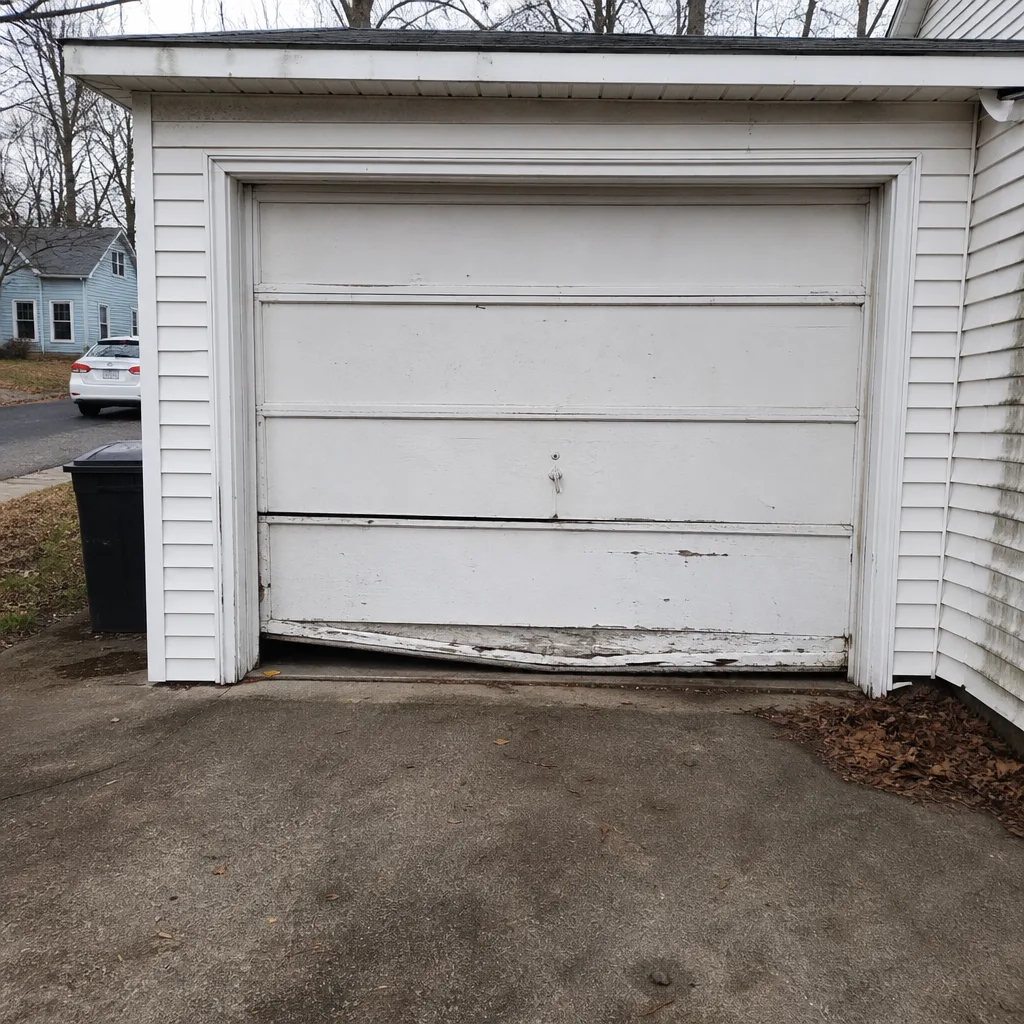 Before
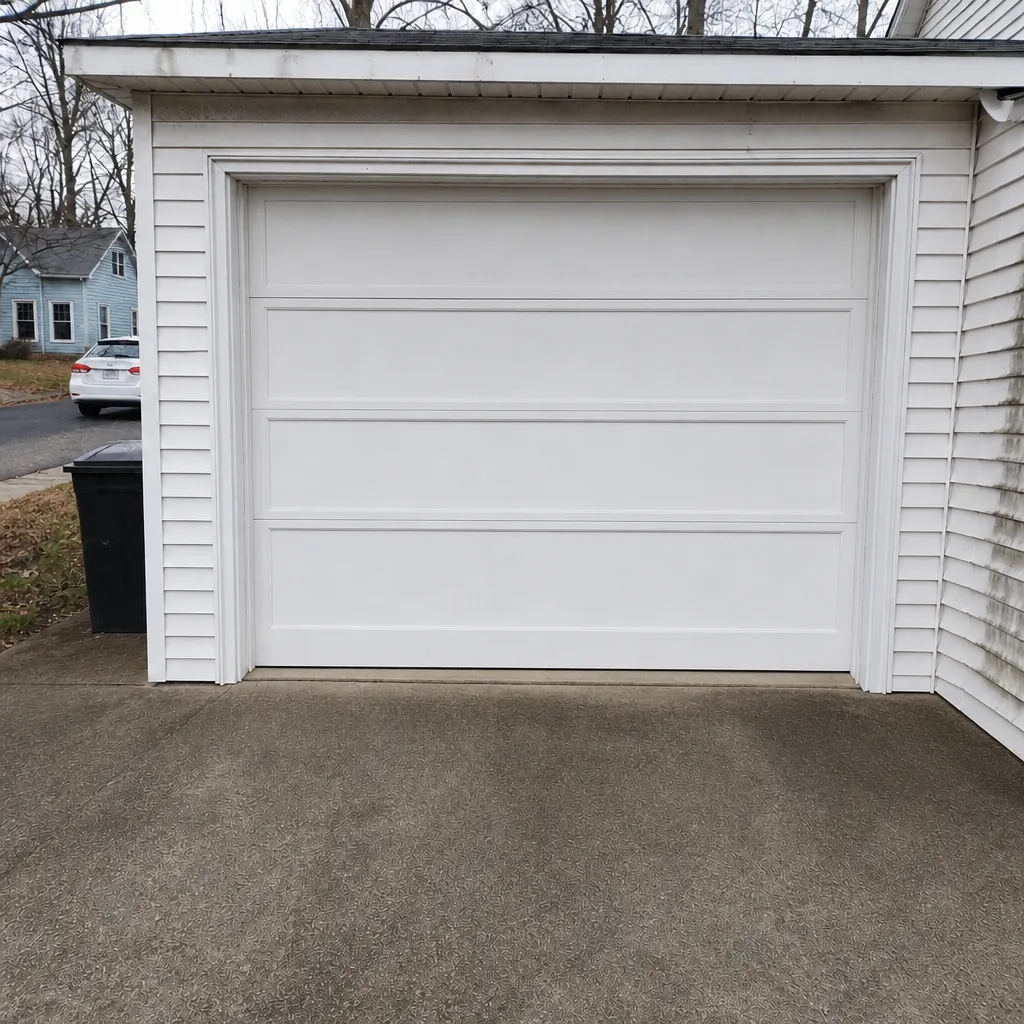 After
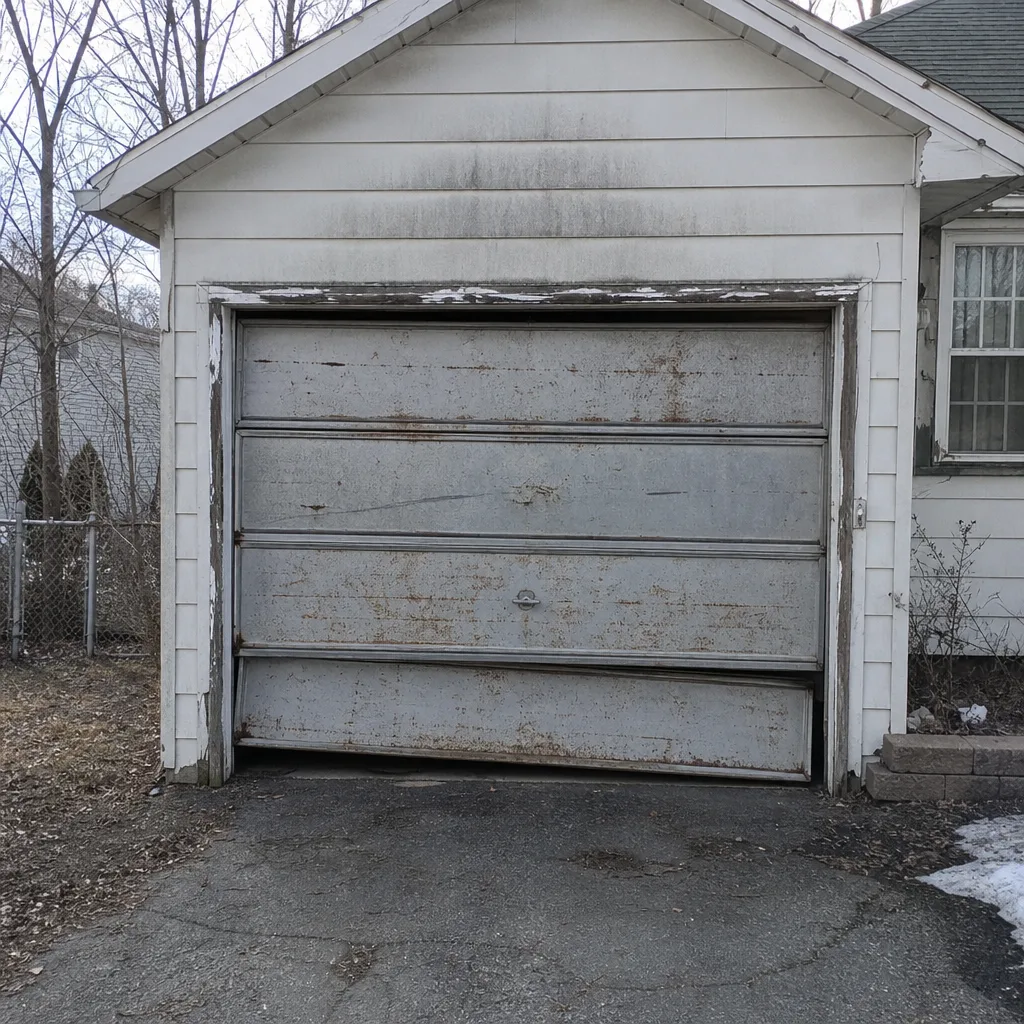 Before
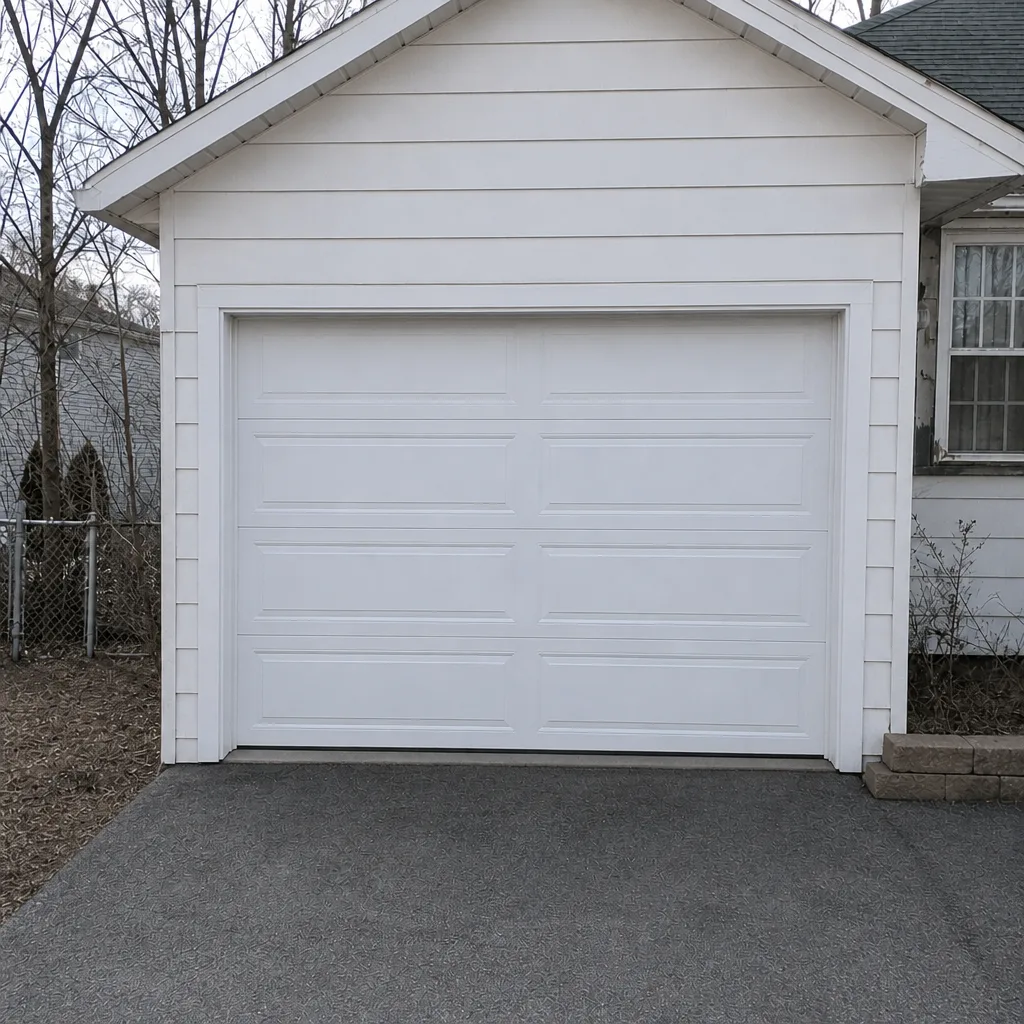 After
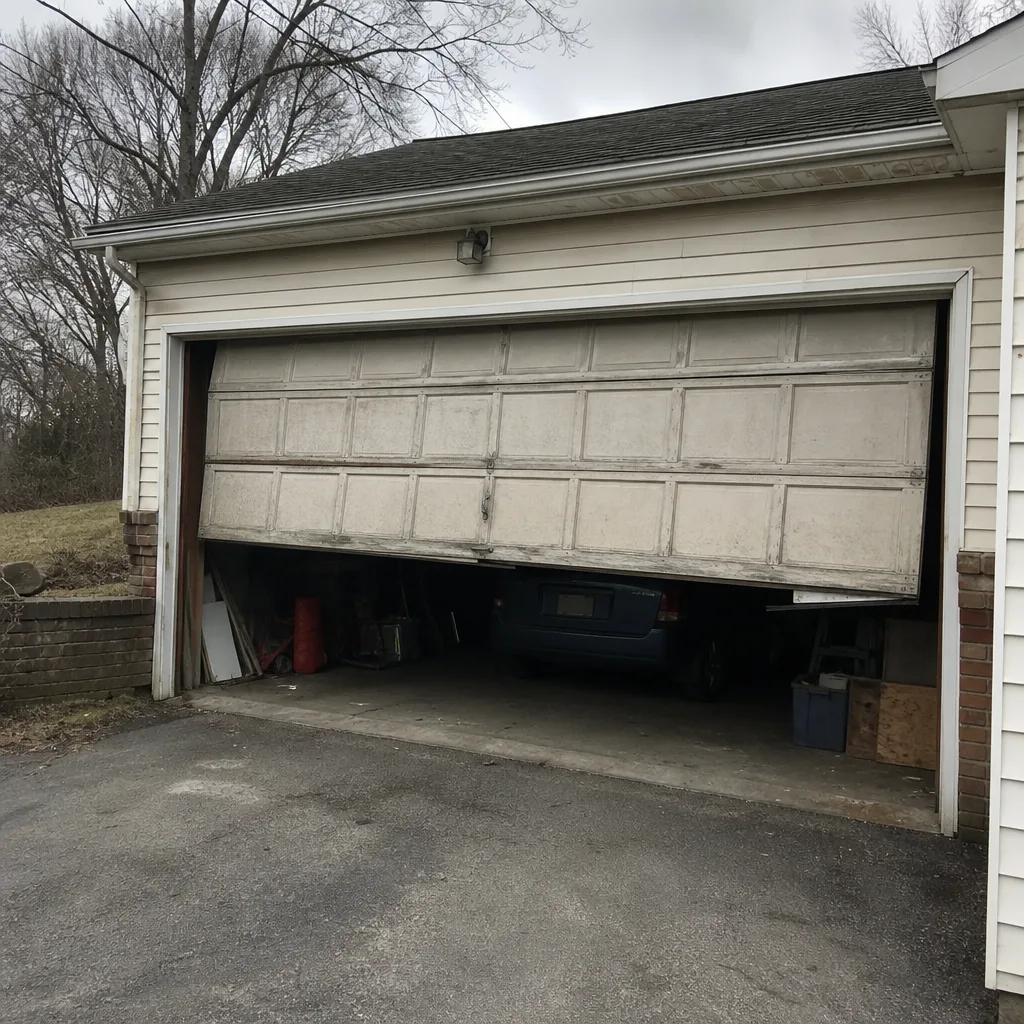 Before
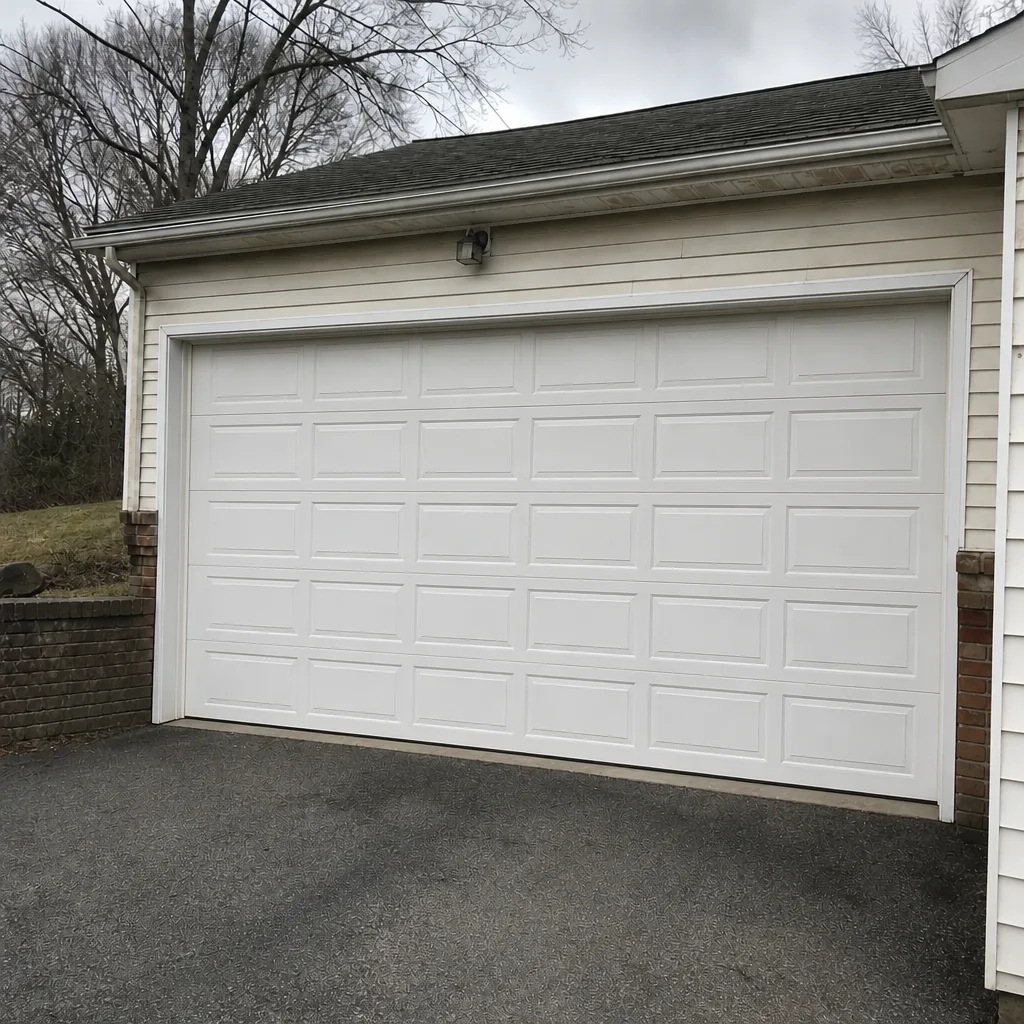 After
Frequently Asked Questions
The most common warning signs we see in Torrington are grinding or squealing during travel, a door that hangs crooked or reverses mid-cycle, a flashing diagnostic light on the opener, and a door that feels heavy during the manual balance test. Sound and movement changes are usually the earliest signals, and they show up before a full breakdown. If you notice any of them, note when the symptom happens and call for an evaluation.
Run the manual balance test: disconnect the opener, lift the door halfway, and let go. A door with healthy springs holds its position; a door that drops or feels hard to lift has weakened springs. Any grinding or popping sound during travel is another sign. Don’t adjust or replace the springs yourself; they store dangerous energy and require a trained technician. If the test fails, call (844) 629-7893 for a free estimate.
A flashing opener light is a diagnostic code, not a malfunction. Count the flashes and note when they occur, then match the count to your opener’s manual. On LiftMaster and Chamberlain systems the code points to a specific system: sensors, travel limits, force limits, or the logic board. Write down the code and symptom before you call so a technician knows what to check first. Call us if the code won’t clear.
You can safely handle lubrication, tightening visible bolts, and cleaning the safety sensor lenses. Anything involving springs, cables, drums, or the opener’s internal mechanisms should be left to a technician. Springs store enough energy to cause serious injury. If the manual balance test fails or you see a cable off its drum, stop operating the door and call for professional service.
A reversing door is usually a safety sensor issue, a force-limit setting, or a binding track the opener reads as an obstruction. Check the sensors at the bottom of the tracks for dirt or misalignment first. If the door reverses at the same height every time, a binding track or roller is the likely cause. If it reverses randomly, the sensors or force limit are more likely. Call (844) 629-7893 if it won’t stay fixed.
Repair is usually the right call when the problem is a single component like a spring, cable, roller, or opener part. Replacement makes more sense when the door has multiple failed panels, extensive rust beneath the seals, structural sag in the panels, or repeated breakdowns across different components. A free evaluation will tell you which path makes sense for your door. Call (844) 629-7893 for an estimate.
The Bottom Line
Garage door failures almost always give warning, and the warning comes in a language of sounds, movement patterns, visual signs, and opener codes. Learn to read all four and you’ll catch most problems while they’re still a repair instead of a replacement. The manual balance test is your single best proactive check, especially before a Torrington winter when cold weather loads the springs and opener harder. Surface rust and dents can wait; slack cables, crooked doors, and failed balance tests can’t. If you’re not sure what you’re looking at, describe the symptom and we’ll help you sort it. Call (844) 629-7893 for a free estimate.
Written by the team at Torrington Garage Door Repair.